2026 Top Certifications for Aluminum Doors and Windows

Time:2026-11-01 Author:Sienna
0%

In 2026, choosing aluminum doors and windows means looking beyond slim frames and polished finishes. Buyers need evidence that the complete product performs as claimed. A certificate may cover energy efficiency, air and water resistance, structural strength, or factory quality. Its value depends on the tested product, applicable standard, and destination market. One label does not prove everything.

The key question is: What certifications are important for aluminum doors and windows? Fenestration guidance often points to programs such as NFRC ratings, ENERGY STAR qualification where applicable, and AAMA/FGIA product certification in relevant markets. Requirements differ by country and project. Check whether the certificate names the actual model, glazing, hardware, and configuration. Small print matters.

For an editorial perspective, composite fenestration specialist Maya Chen offers this principle: “A certificate matters only when it matches the product, test method, and market where it will be installed.” Chen is a fictional composite expert, not a source of a verified published quotation. This distinction matters. Certification claims should be checked against current program directories and product documents, not repeated from a brochure alone. A practical review also asks who performed the testing, when it occurred, and whether the certified configuration matches the unit being quoted. That takes a little more effort. It can also reveal gaps that a neat logo on a sample frame may hide. This guide compares leading certification types and explains what buyers, specifiers, and manufacturers should verify before selecting aluminum doors and windows.
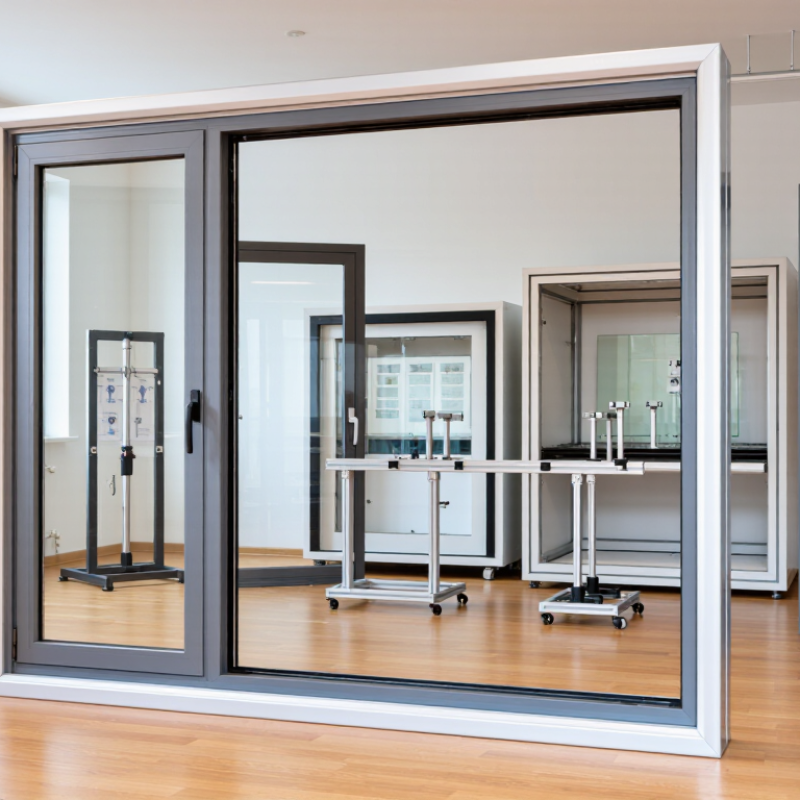
2026 Top Certifications for Aluminum Doors and Windows

Understanding Certification for Aluminum Doors and Windows

2026 Top Certifications for Aluminum Doors and Windows

Understanding Certification for Aluminum Doors and Windows

Certification helps buyers compare tested performance, but each mark covers different qualities. NFRC labels report verified U-factor and solar heat gain coefficient (SHGC), helping estimate heat transfer and solar gain. The U.S. Department of Energy notes that windows account for about 25%–30% of residential heating and cooling energy use. That makes ratings useful, though they cannot predict comfort in every room or climate.

For aluminum frames, check whether the complete door or window assembly—not only its glass—has documented testing. ENERGY STAR qualification indicates compliance with efficiency criteria for the relevant climate zone. Structural and air-leakage performance may be tested to applicable fenestration standards, while coating documentation can reference AAMA 2605 performance requirements. These are different measures, not interchangeable badges. A certificate can look more decisive than it is; verify the product size, configuration, and test scope match your project.

Tips: Ask for current certificates and test reports, then compare U-factor, SHGC, air leakage, and water resistance. Check the exact frame finish and glazing listed. Small details matter. A rating for one configuration may not cover another.

Key Performance Standards and Testing Requirements

2026 Top Certifications for Aluminum Doors and Windows

Key Performance Standards and Testing Requirements

A credible certification should show how a complete door or window performs, not just list its frame material. In North America, AAMA/WDMA/CSA 101/I.S.2/A440 classifies products by performance class and performance grade. Check that the tested size and configuration match the unit you plan to install. A laboratory result for a small fixed window may not represent a large sliding door.

Look for documented air, water, and structural testing. ASTM E283 measures air leakage; ASTM E331 evaluates water penetration under controlled pressure; ASTM E330 tests structural performance. NFRC labels provide independently rated U-factor and solar heat gain coefficient, useful when comparing energy performance. The U.S. Department of Energy’s Energy Saver guidance estimates that windows account for 25–30% of residential heating and cooling energy use. Aluminum frames also conduct heat readily, so verify thermal-break details and rated whole-product values. A low U-factor alone does not answer every comfort question.

Tips: Match ratings to local wind and rain exposure. Ask for the test report, not only a brochure. Inspect seals and drainage paths; small details matter. One limitation remains: laboratory testing cannot capture every installation flaw, and that deserves more attention.

Leading Certifications and Labels in 2026

In 2026, buyers can compare aluminum doors and windows through several recognized labels and performance programs. An NFRC label reports tested energy ratings, such as U-factor and solar heat gain coefficient. These figures help show how a specific assembly may perform, rather than how aluminum performs in general. ENERGY STAR qualification can identify products that meet current efficiency criteria for their market. Check the applicable climate zone and product category; a label alone does not guarantee the same savings in every building. Details matter.

For weather resistance and structural performance, look for testing or certification tied to recognized fenestration standards, including AAMA/FGIA programs and NAFS performance requirements. Confirm that the listed rating matches the exact product configuration: frame depth, glazing, hardware, and operating style can affect results. A sliding door and a fixed window may not share the same tested rating, even when their frames look alike. Ask for current test reports and verify the certification covers the model being quoted. Requirements and program criteria may change, so confirm the 2026 edition before comparing products. I would not treat a single label as a complete quality score; installation details and site exposure still matter.

How Products Are Tested, Certified, and Reassessed

2026 Top Certifications for Aluminum Doors and Windows
How Products Are Tested, Certified, and Reassessed

Certification is more than a label on a product sheet. It records how a defined door or window system performed under specified test conditions. Depending on the market and certification program, assessments may cover air leakage, water penetration, structural pressure, thermal performance, and operation. Testing usually uses representative samples, so frame size, glazing, seals, and hardware can affect results. Requirements vary by region; one certificate does not automatically establish compliance everywhere.

A qualified testing or certification body reviews test data and supporting documents. Some programs also require factory inspections or follow-up checks. Manufacturers should track certificate scope, approved configurations, and any product changes. A new glass unit or hinge may seem minor, but it can alter performance. Reassessment may be needed when materials, dimensions, suppliers, or production methods change. No laboratory test captures every installation. That gap deserves attention, especially where wind-driven rain or repeated use is common.

Tips: Before specifying a product, check the certificate’s issue date, tested configuration, and applicable standard. Ask whether production is monitored and what changes trigger retesting. Keep installation details with the product records. A careful review takes time, but it can reveal missing information before delivery.

2026 Top Certifications for Aluminum Doors and Windows: How Products Are Tested, Certified, and Reassessed

ENERGY STAR Version 7.0 sets climate-zone-specific maximum U-factors for eligible residential windows and sliding glass doors. Lower U-factor means less heat transfer. These are program thresholds, not test results for a particular aluminum product, and they do not apply to every door or certification program.

Source: ENERGY STAR, Residential Windows, Doors, and Skylights Version 7.0 criteria. Verify current requirements and product eligibility with the certification program.

How to Verify Certifications and Select Compliant Products

A certification is useful only when it covers the exact door or window being purchased. Check the certificate holder, applicable standard, issue date, expiry date, and product scope. Then compare the listed model and configuration with the quotation. Details matter. A report for one frame size or glazing combination may not cover another. Ask the supplier for the full certificate and supporting test report, not just a cropped image or a logo on a brochure.

Verify the certifying body through its official directory, and check whether the testing laboratory’s accreditation covers the relevant tests. Requirements differ by market, building type, and intended use, so confirm which performance ratings apply to your project. Look closely at air leakage, water penetration, wind resistance, thermal performance, and safety glazing where relevant. Match those results to the actual frame material, glass, hardware, and installation method. It is easy to treat a small mismatch as paperwork noise; that is a mistake worth checking. A certificate can be valid yet irrelevant to the product offered. If records are unclear, request written clarification before ordering.

FAQS

What does an energy label tell me about an aluminum window?

It reports tested values such as heat transfer and solar gain. These figures help compare specific assemblies. They do not predict comfort in every room.

Should certification cover the whole door or window?

Yes. Check that testing covers the complete assembly, including its frame, glass, seals, and hardware. Glass-only results may not describe the finished product.

Do all certified products perform the same way?

No. Size, glazing, frame depth, and opening style can change results. A sliding door may have a different rating from a fixed window.

Which performance details should I compare?

Review heat transfer, solar gain, air leakage, and water resistance. Check the exact model and configuration. Small details matter.

Does an efficiency label guarantee lower energy bills?

Not always. Results depend on climate, building design, and installation. A rating is useful, but it cannot promise specific savings.

What can testing assess beyond energy performance?

Testing may assess air leakage, water penetration, structural pressure, and operation. Requirements vary by region, so one certificate may not cover every market.

Can a certificate become outdated after a product change?

Yes. New glass, hinges, materials, or production methods may affect performance. Ask whether the change requires reassessment. I would double-check, even when the change looks minor.

What should I verify before ordering?

Check the certificate date, tested configuration, and applicable standard. Ask whether factory checks occur and keep installation details with your records. It takes time.

Conclusion

Choosing certified aluminum doors and windows helps confirm that products meet reliable standards for safety, durability, energy performance, and weather resistance. What certifications are important for aluminum doors and windows depends on the intended use, local requirements, and climate. Relevant evaluations may cover structural strength, air and water leakage, wind resistance, thermal efficiency, and materials or finishes. Understanding what each label measures makes it easier to compare products and select options suited to a project.

Certification typically involves testing representative products against defined performance criteria, reviewing results, and confirming that production continues to meet the requirements. Some programs also require periodic reassessment or follow-up testing. Before purchasing, check that a certificate is current, applies to the exact product configuration, and comes from a qualified certification body. Reviewing test scope, ratings, and installation conditions can help ensure the selected doors and windows are genuinely compliant and perform as expected.

Sienna

Sienna

Sienna is a skilled marketing professional with a deep expertise in our company’s core products and services. With a passion for innovation and detail, she plays a pivotal role in crafting insightful blog posts that not only highlight the unique features of our offerings but also provide valuable......