Commercial buildings demand durable envelopes, controlled energy use, and predictable maintenance costs. Aluminum doors and windows can support these goals through strength, narrow profiles, and flexible fabrication. They suit glazed entrances, curtain walls, storefronts, and heavily used office corridors. The International Energy Agency’s Buildings 2023 report states that buildings account for about 30% of global final energy consumption. That figure makes envelope performance a practical investment, not a decorative choice.
Aluminum also supports long service life and circular material use. The International Aluminium Institute reports that recycling aluminum requires about 5% of the energy used for primary production. However, aluminum is not automatically sustainable. Poor thermal design can create cold bridges, condensation, and uncomfortable interior zones. Thermal breaks, low-emissivity glazing, air sealing, and correct installation matter. They matter a lot. The U.S. Department of Energy’s Building Technologies Office emphasizes high-performance windows as part of efficient building envelopes. Project teams should therefore review U-values, solar heat gain coefficients, visible transmittance, wind loads, water resistance, and hardware durability together.
A useful specification process begins with climate, orientation, occupancy, and maintenance conditions. South-facing glass may need stronger solar control, while a coastal entrance needs corrosion-resistant finishes and reliable drainage. When asking How to choose aluminum doors and windows for commercial buildings, decision-makers should compare tested performance, lifecycle cost, warranties, and installer experience. NFRC and FGIA performance standards can help verify product claims. Still, real projects are rarely perfect. Budget pressure may reduce glazing quality, and installation errors can defeat excellent engineering. Independent testing and site inspections provide a more reliable basis for decisions.
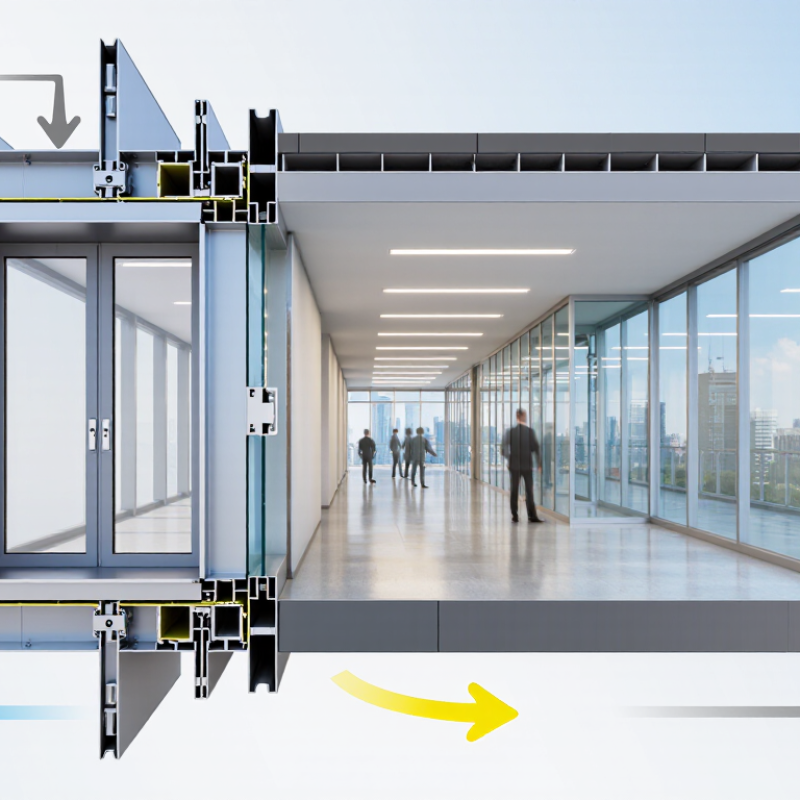
Aluminum doors and windows are building openings made with lightweight aluminum frames, glass panels, hinges, locks, and weather seals. The frame supports the glazing while allowing daylight, ventilation, and controlled access. In commercial buildings, these systems often include sliding doors, storefront windows, curtain wall sections, and entrance assemblies.
Aluminum is formed into narrow, strong profiles, so it can hold large glass areas without bulky sightlines. It also resists rust, which helps in humid entrances and busy public spaces.
However, aluminum conducts heat quickly. A thermal break, usually made from an insulating material inside the frame, can reduce heat transfer between indoor and outdoor surfaces. Low-emissivity glass and suitable seals improve this performance further.
From practical installation experience, frame depth, glass weight, drainage paths, and hardware quality all affect daily performance.
A door may look precise but still leak air if the seals are poorly adjusted. Small details matter. Regular cleaning prevents grit from damaging tracks and moving parts. Maintenance teams should also inspect fasteners, hinges, and sealant joints.
The material is not perfect.
Standard aluminum frames may create condensation in cold weather or increase indoor heat near sunny façades. Designers must review local climate, energy requirements, wind pressure, fire safety, and accessibility rules before selecting a system. A reliable specification matches the frame and glazing to the building’s actual exposure, not just its appearance.
Aluminum helps commercial buildings express a clear, modern design language. Its strength allows slim frames around large glass panels, bringing deeper daylight into offices, shops, and public areas. This can make narrow interiors feel more open.
The effect is immediate.
In detailed design, engineers select profiles according to wind pressure, panel weight, span, and expected movement. Thermal breaks reduce heat transfer through the frame. Proper seals also limit drafts and driving rain. On site, small alignment errors can affect operation, so installers must check levels, joints, and drainage paths carefully. These details protect comfort and reduce maintenance calls.
Aluminum supports flexible layouts because frames can accommodate different glass types, vents, sunshades, and entrance systems. Powder-coated or anodized surfaces usually need less frequent repainting than many traditional materials. However, aluminum is not perfect. It conducts heat without a thermal break, and its production can carry significant environmental impacts. Recycled content and responsible sourcing deserve closer review. Designers sometimes focus on appearance first and service access later. That is a mistake. A beautiful façade still needs reachable hardware, replaceable seals, and safe cleaning provisions. Reliable performance comes from coordinated drawings, tested assemblies, qualified installation, and regular inspection. At busy entrances, even a few millimeters of poor adjustment can create noise, resistance, or water problems.
Aluminum doors and windows can improve commercial building performance when they are specified carefully. Their strength supports large glass areas, wider entrances, and slimmer frames. This allows more daylight into offices, retail spaces, and public facilities. However, aluminum conducts heat easily without a thermal break. That detail matters.
Thermally broken frames reduce heat transfer between indoor and outdoor surfaces. Low-emissivity glazing can further limit unwanted heat gain during summer. In winter, it helps retain conditioned air. Proper seals also reduce drafts and outside noise. These features can lower heating and cooling demand, although actual savings depend on orientation, climate, glass selection, and installation quality. A poorly fitted frame can weaken an otherwise efficient design.
Aluminum also resists warping, moisture, and daily impact. Its durable finish usually needs limited maintenance. Still, it is not maintenance-free. Inspect seals, drainage channels, hinges, and fasteners during scheduled building checks. Small failures can become expensive.
Tips: Ask for tested thermal and air-leakage data. Review U-values with the project engineer. Check drainage paths before installation. Use experienced installers, and document inspections. Reflect on long-term performance, not only the initial purchase price.
Typical frame U-factor benchmarks: lower values indicate better insulation and reduced heat transfer.
Thermally broken aluminum frames can achieve U-factors close to those of other high-performance frame materials while retaining aluminum’s strength, slim profiles, corrosion resistance, and long service life. Actual results depend on frame design, glazing, seals, installation quality, and climate.
Reference basis: representative frame U-factor ranges commonly reported in building-performance guidance; values are shown in W/m²·K and are intended for comparison rather than product certification.
Aluminum doors and windows serve many practical roles in commercial properties. In retail stores, large glazed entrances create clear sightlines from busy sidewalks. Slim aluminum frames also support wide display windows without making the façade look heavy. Automatic sliding or hinged doors can manage constant customer movement. However, high traffic demands stronger hinges, accurate alignment, and regular hardware checks.
Office buildings often use aluminum curtain walls, internal partitions, and operable windows. Curtain walls bring daylight deep into workspaces while reducing the need for thick structural walls. Thermally broken frames can limit heat transfer around the glass. This matters in buildings with long operating hours. In meeting rooms, framed glass doors provide visual connection without removing acoustic separation entirely. They are useful, but not perfect.
Schools and healthcare facilities need durable, easy-to-clean openings. Aluminum frames resist moisture and usually require less repainting than many traditional materials. In coastal areas, protective finishes and suitable alloys deserve careful specification because salt exposure can accelerate corrosion. Hotels commonly use aluminum balcony doors, lobby entrances, and bathroom windows. Each application has different demands for security, ventilation, privacy, and weather resistance. A design that works well in a quiet office may fail in a crowded lobby. Site conditions should guide every frame, glass, and hardware decision.
| Commercial Application | Common Aluminum System | Why Aluminum Is Used | Typical Design Characteristics | Key Performance Considerations |
|---|---|---|---|---|
| Office Buildings | Curtain walls, punched windows, entrance doors | Supports large glazed areas while keeping the exterior frame relatively lightweight and durable | Repeated window modules, glazed lobbies, operable or fixed vents | Thermal breaks, low-emissivity glazing, air sealing, solar control, and structural wind loads |
| Retail Stores | Storefront framing, glazed doors, display windows | Creates broad transparent façades for daylight, visibility, and customer access | Large fixed panes, narrow sightlines, frequent single- or double-acting entrances | Impact-resistant glass where required, durable hardware, accessible thresholds, and controlled solar heat gain |
| Hotels and Hospitality Buildings | Curtain walls, balcony doors, corridor windows, entrance systems | Offers consistent appearance across many room openings and withstands frequent use | Sliding or hinged balcony doors, full-height glazing, coordinated interior and exterior finishes | Acoustic glazing, weather resistance, corrosion protection, operating-cycle durability, and fall-safety requirements |
| Healthcare Facilities | Thermally improved windows, automatic entrance doors, glazed partitions | Allows smooth, cleanable surfaces and supports durable, high-traffic circulation areas | Wide entrances, observation windows, controlled-access doors, and high-visibility corridors | Hygienic detailing, accessibility, safety glazing, acoustic control, and compatibility with automatic door operators |
| Educational Buildings | Projected windows, storefronts, entrance doors, curtain walls | Provides daylight and long service life with relatively low routine maintenance | Classroom windows, glazed common areas, durable door hardware, and repeated modular layouts | Safety glazing, ventilation control, thermal performance, robust hardware, and resistance to frequent operation |
| Transportation Hubs | Large curtain walls, automatic sliding doors, entrance storefronts | Combines broad visibility with a material that is suitable for high-traffic public environments | High glazed-to-wall ratios, multiple access points, and large public circulation zones | Wind pressure, crowd loading, impact resistance, automatic-door safety, air infiltration, and maintenance access |
| Industrial and Warehouse Offices | Commercial windows, personnel doors, glazed office fronts | Resists routine wear and provides a practical balance of strength, weight, and fabrication flexibility | Functional glazing, durable finishes, standard-size openings, and defined separation between office and production areas | Dust control, thermal separation, safety glass, hardware durability, and protection from industrial exposure |
| Mixed-Use Developments | Curtain walls, storefronts, residential-style commercial windows, entrance systems | Supports varied façade designs while allowing compatible finishes and profiles across different occupancies | Retail at lower levels, offices or residences above, and coordinated public entrances | Different acoustic, thermal, privacy, fire-safety, and weatherproofing requirements by building zone |
Note: Actual dimensions, glazing selections, thermal values, wind-load capacity, acoustic performance, and code compliance depend on the project location, building design, system engineering, and applicable local regulations.
Aluminum doors and windows suit many commercial buildings because they are light, durable, and easy to maintain. Their slim frames can increase daylight near reception areas, corridors, and shopfronts. However, choosing an aluminum system requires more than comparing frame prices. In practice, the building’s location, opening size, traffic level, and maintenance access matter greatly. A coastal site may need stronger corrosion protection than an inland office.
Thermal performance deserves close attention. Standard aluminum conducts heat quickly, which can create uncomfortable interior temperatures and higher energy demand. Systems with thermal breaks can reduce this problem, but their effectiveness depends on frame design, glass selection, and installation quality. Ask for verified U-values, air leakage results, and water resistance data. Marketing language alone is not enough.
Check hardware durability, drainage paths, glazing safety, and replacement procedures before approval. A busy entrance may need reinforced hinges and tested door closers. Large windows require structural calculations for wind loads and glass weight. Local building codes should guide fire safety, accessibility, ventilation, and emergency exit decisions. Experienced installers should explain tolerances and sealing details, not only provide drawings. It is not magic. Even a well-designed system can fail when the opening is measured poorly or water is trapped behind the frame. A small mock-up test may reveal problems before hundreds of units reach the site.
They use lightweight aluminum frames, glass panels, hinges, locks, and weather seals. They provide daylight, ventilation, and controlled access. Common forms include sliding doors, storefront windows, and curtain wall sections.
Aluminum supports large glass panels with slim sightlines. It resists rust, moisture, warping, and everyday impacts. These qualities suit offices, shops, reception areas, and public facilities. Small details matter.
They can, when specified and installed carefully. Thermal breaks reduce heat transfer through the frame. Low-emissivity glass can limit summer heat gain and retain indoor warmth. Results depend on climate, orientation, glass, seals, and installation.
A thermal break is an insulating section inside the aluminum frame. It separates indoor and outdoor surfaces. This reduces heat movement and may lower heating or cooling demand. Standard frames can perform poorly in cold weather.
Yes, especially when standard frames meet cold outdoor conditions. Condensation may also increase near sunny façades or poorly insulated glazing. Better frame design, suitable glass, and effective seals can reduce the risk. The material is not perfect.
Review local climate, opening size, traffic level, wind pressure, and maintenance access. Request verified U-values, air-leakage results, and water-resistance data. Check glazing safety, drainage, hardware strength, accessibility, and emergency exit requirements.
Clean tracks and moving parts regularly to remove grit. Inspect hinges, fasteners, sealant joints, drainage channels, and weather seals. Poorly adjusted seals can allow air or water leakage. A small failure can become expensive.
Poor measurements can cause gaps, trapped water, weak seals, and difficult operation. Large glass panels also need structural checks for weight and wind loads. Experienced installers should explain tolerances and sealing details. It is not magic.
Yes, a small mock-up can reveal drainage, sealing, hardware, and measurement problems early. It may prevent repeated defects across hundreds of openings. Still, testing alone cannot replace careful inspections and honest performance reviews.
Aluminum doors and windows are lightweight building systems made with durable aluminum frames, glass panels, and suitable hardware. In commercial buildings, they support flexible design by offering slim profiles, broad openings, and clean lines that allow more natural light and visual connection between indoor and outdoor spaces. Their strength also makes them suitable for large-scale entrances, office facades, retail storefronts, schools, and other high-traffic properties.
Key advantages include resistance to corrosion, low maintenance requirements, long service life, and reliable performance in demanding environments. When combined with insulated frames, energy-efficient glazing, and properly sealed joints, aluminum systems can help improve thermal performance and reduce heating or cooling demand. Before making a decision, building owners should consider climate, wind exposure, security needs, operating frequency, acoustic requirements, glass specifications, installation quality, and long-term maintenance. Understanding How to choose aluminum doors and windows for commercial buildings helps ensure the selected system matches the project’s design, performance goals, budget, and regulatory requirements.

Envi Window