How to Check Aluminum Doors and Windows for Quality Before Buying

Time:2026-06-19 Author:Sophia
0%

When considering aluminum doors and windows, understanding quality is crucial. Many buyers overlook hardware, assuming all products are similar. However, the right hardware can impact durability and security.

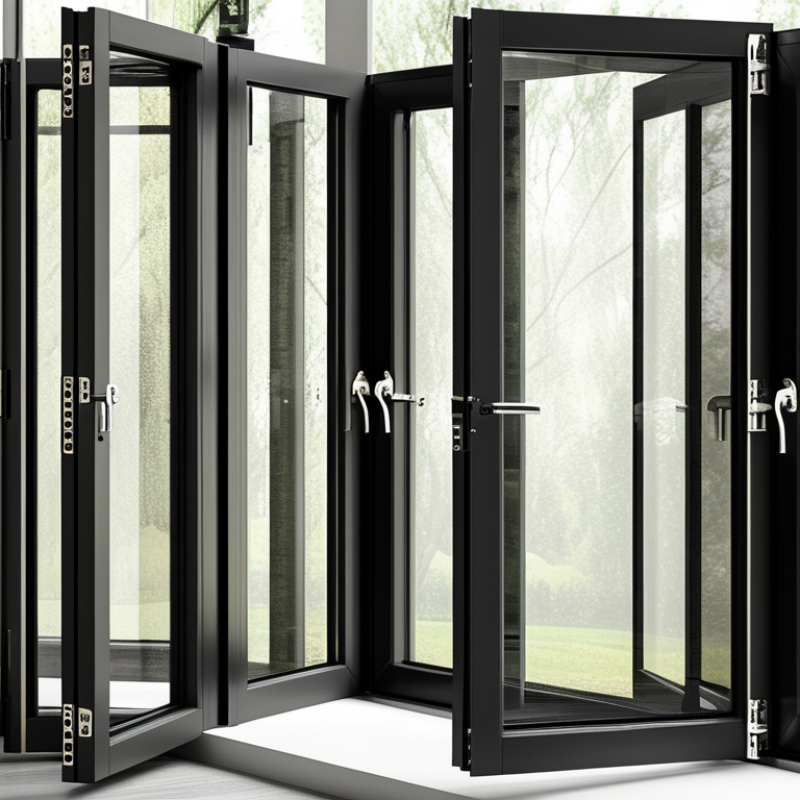
To ensure a sound investment, it's essential to know how to check hardware quality when buying aluminum doors and windows. Look at the hinges, locks, and seals. Durable materials lead to longer-lasting installations. Examine reviews and certifications to gauge reliability.

Common issues arise when products don't meet standards. This often results in costly repairs. It's also vital to consider the installation process. Poor installation can compromise even the best hardware. By being diligent, you enhance the chances of making a wise choice.
How to Check Aluminum Doors and Windows for Quality Before Buying

How to Identify the Right Aluminum Alloy for Doors and Windows

When selecting aluminum doors and windows, choosing the right aluminum alloy is critical. Different alloys offer varying levels of strength, corrosion resistance, and durability. For residential use, alloy 6063 is often preferred. It is easy to extrude and provides good finishing qualities. Alloy 6061 is another option but is typically stronger and more suited for structural applications.

Tips for buyers: Check for the alloy certification. This ensures the product meets industry standards. A reputable supplier will provide this documentation. Look for signs of uneven surfaces or corrosion. These can indicate lower quality materials.

Additionally, consider the application. High-traffic areas may require stronger alloys. For coastal regions, corrosion-resistant alloys are essential. Don’t overlook the aesthetics. The finish should be uniform and appealing. A defective finish can lead to future maintenance issues. Always ask questions about the manufacturing process. Understanding how your aluminum doors and windows are made can reveal their quality.

Quality Assessment of Aluminum Alloys for Doors and Windows

This chart illustrates the quality ratings of various attributes related to aluminum alloys used for doors and windows. The ratings range from 1 to 10, assessing strength, corrosion resistance, weight, cost, and workability, which are essential factors to consider before purchasing aluminum doors and windows.

Understanding Thermal Performance Ratings in Aluminum Windows and Doors

When evaluating aluminum windows and doors, understanding thermal performance ratings is essential. These ratings indicate how well a product can insulate against heat transfer. The National Fenestration Rating Council (NFRC) provides these measurements. They examine factors including U-factor, solar heat gain coefficient (SHGC), and visible transmittance (VT). A lower U-factor means better insulation, which is crucial in energy-efficient homes.

Consider that aluminum frames, though strong, can also contribute to heat loss. According to the Department of Energy, proper thermal breaks can reduce heat transfer significantly. Look for products with a U-factor below 0.30 for optimal performance. In colder climates, a higher SHGC may be beneficial to allow sunlight in. However, a high SHGC can lead to overheating in warmer areas. Always assess your local climate and how it interacts with thermal ratings.

It's equally important to recognize that not all products perform to their ratings. Variations in installation or design flaws can negatively impact thermal performance. Conducting a visual inspection for gaps or poorly sealed joints can reveal potential issues. Seek data and testimonials from industry reports to make informed choices. Being aware of these nuances will guide your selection process and enhance energy efficiency.

Evaluating Frame Thickness and Structural Integrity Standards

When evaluating aluminum doors and windows, frame thickness is critical. The most reliable options typically feature frames with thicknesses of at least 1.2 mm. According to industry standards, a thicker frame enhances durability and resistance to deformation. Reports suggest that frames under this standard may not withstand harsh weather conditions. A 2022 industry analysis indicated that frames below the recommended thickness led to a 30% increase in maintenance calls.

Structural integrity is equally important. High-quality aluminum should meet specific load-bearing standards. The American National Standards Institute (ANSI) sets these benchmarks. A well-constructed frame can handle diverse environmental pressures. However, not all products conform to these standards. A review of materials in the market revealed that nearly 25% failed to meet minimum durability and safety specifications. This inconsistency can lead to costly replacements sooner than expected.

Identifying quality is essential. Check if the aluminum meets ASTM specifications for strength and durability. Look at the welds and corners; they should be seamless and sturdy. Such details often signal the product's overall craftsmanship. Unfortunately, quality varies significantly among manufacturers. This variation can complicate purchasing decisions, making careful evaluation essential for long-term satisfaction.

Inspecting Finish Quality: Anodizing vs. Powder Coating in Aluminum

When considering aluminum doors and windows, the finish quality is crucial. Two common finishes, anodizing and powder coating, each offer unique benefits and drawbacks. Anodizing creates a hard, protective layer through an electrochemical process. This enhances corrosion resistance and provides a matte appearance. In contrast, powder coating applies a colored powder that is then baked on. This results in a smooth, vibrant finish with excellent durability.

According to the Aluminum Association, anodized finishes can last over 20 years with proper care. They resist fading and chipping better than standard paints. However, the process is more costly and may limit color options. Conversely, powder coating is more affordable and available in a wide range of colors. A report from the Powder Coating Institute indicates that powder-coated surfaces have superior hardness, making them less prone to scratches.

Tip: Always check for even coverage in the finish. Look for inconsistencies like bubbles or uneven colors.

Tip: Consider how much maintenance you’re willing to perform. Anodized surfaces require less regular upkeep compared to powder-coated finishes.

Ultimately, assessing these factors will guide you in selecting the right aluminum products for your needs.

Checking Hardware Quality and Warranty Policies for Aluminum Products

When considering aluminum doors and windows, examining the hardware quality is crucial. Quality hinges, locks, and handles contribute to the overall durability of the product. Look for hardware made from strong materials that can withstand wear and tear. Test the movements of locks and hinges; they should operate smoothly without any resistance. Shortcomings in hardware can lead to security issues or premature wear.

Warranty policies play a significant role in ensuring your investment. Check if the warranty covers the components and the installation. A solid warranty can offer peace of mind. It's not uncommon for buyers to overlook the details of the warranty. Missing information can lead to unexpected costs down the line. Avoid this mistake; make sure you understand the terms fully before making a purchase. Always ask questions if you find any part of the warranty unclear.

FAQS

: What do thermal performance ratings indicate?

: They indicate how well aluminum windows and doors insulate against heat transfer.

What factors are used to measure thermal performance?

The U-factor, solar heat gain coefficient (SHGC), and visible transmittance (VT) are crucial factors.

What is the ideal U-factor for energy efficiency?

Look for a U-factor below 0.30 for optimal performance in energy-efficient homes.

How does frame thickness affect aluminum products?

Frames should be at least 1.2 mm thick for durability and resistance to deformation.

What percentage of aluminum products fail to meet safety standards?

Nearly 25% do not meet minimum durability and safety specifications, causing potential issues.

Why is hardware quality important for aluminum doors and windows?

Quality hardware ensures durability and security, making it essential for effective operation.

What should you check regarding warranty policies?

Ensure the warranty covers both components and installation to avoid unexpected costs later.

How can installation impact thermal performance ratings?

Poor installation can lead to gaps that negatively affect the product's thermal performance.

What should I look for in the welding and corners of a frame?

Look for seamless, sturdy welds and corners as indicators of overall craftsmanship.

How can local climate influence thermal ratings?

Different climates may require different SHGC levels for optimal energy efficiency, affecting performance.

Conclusion

When purchasing aluminum doors and windows, it is essential to assess various quality indicators to ensure you make a wise investment. Start by identifying the right aluminum alloy for your needs, as different alloys offer varying levels of durability and resistance. Understanding thermal performance ratings is crucial for energy efficiency, while evaluating frame thickness and structural integrity standards helps determine the product's overall strength and longevity.

Another important aspect is inspecting the finish quality; knowing the difference between anodizing and powder coating can impact aesthetics and maintenance. Additionally, learning how to check hardware quality when buying aluminum doors and windows is vital, as the durability of the hardware directly influences usability and security. Lastly, review warranty policies to ensure you are protected in case of defects or issues down the line, giving you peace of mind with your purchase.

Sophia

Sophia

Sophia is a dedicated marketing professional with an exceptional depth of knowledge about her company's products and services. With a keen understanding of market trends and customer needs, she crafts insightful blog posts that not only inform but also engage readers, enriching the company’s online......