How to Choose China Top 10 Soundproof Doors and Windows?

Time:2026-10-14 Author:Henry
0%

Choosing among China’s top 10 soundproof doors and windows requires more than comparing glass thickness or frame color. A quiet room depends on the complete window system, including glazing, aluminum profiles, seals, installation, and wall connections. The World Health Organization’s Environmental Noise Guidelines for the European Region recommends keeping nighttime road-traffic noise below 45 dB Lnight. That target feels different beside a busy road, where buses vibrate the glass and motorcycle engines rise sharply after midnight.

How to pick aluminum doors and windows with good sound insulation? Start with verified laboratory results, not promotional claims. Check the tested sound reduction value, usually reported as Rw under ISO 10140 or national testing procedures. In China, GB/T 8485 evaluates the sound insulation performance of building doors and windows. A higher Rw can help, but it does not guarantee silence inside an occupied apartment. Poor sealing can waste expensive acoustic glass. Small installation gaps matter.

Dr. Maria Neira, Director of the World Health Organization’s Department of Environment, Climate Change and Health, called noise “an underestimated threat” that can create short- and long-term health problems. Her warning gives this buying decision a practical purpose. Look for laminated acoustic glass, properly separated panes, multi-point locks, continuous EPDM seals, and installers who document on-site workmanship. Double glazing is not automatically superior. Sometimes, an uneven air gap performs better than a symmetrical design.

This guide compares ten leading Chinese options through published specifications, acoustic testing, material quality, installation experience, and after-sales reliability. No ranking is perfect. Local traffic, building structure, and personal hearing sensitivity can change the result. Expect evidence, but question impressive numbers.
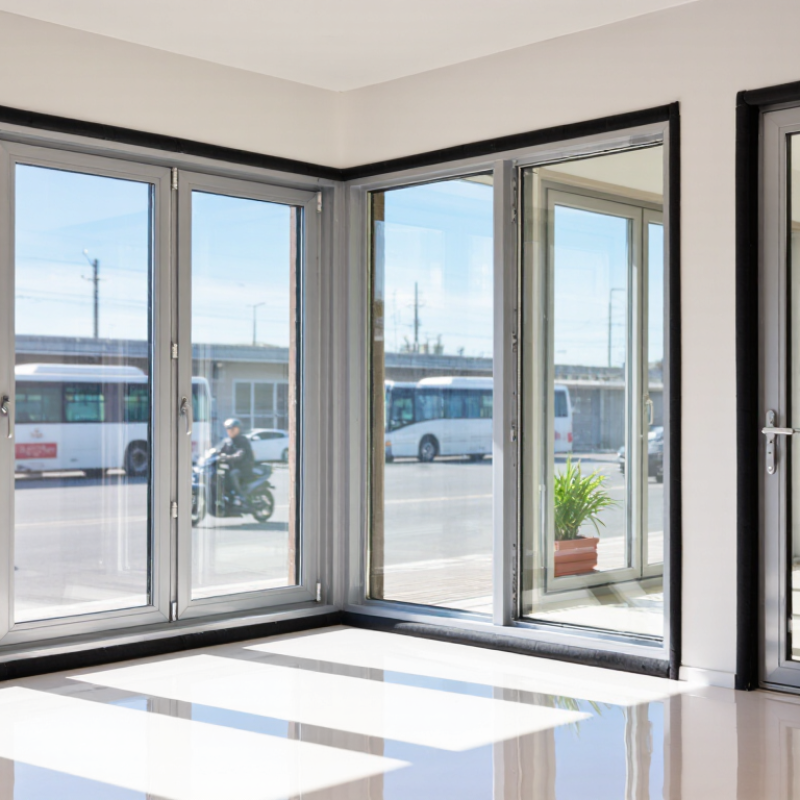
How to Choose China Top 10 Soundproof Doors and Windows?

What Defines a High-Quality Soundproof Door or Window?

How to Choose China Top 10 Soundproof Doors and Windows?

A high-quality soundproof door or window begins with measured performance, not attractive brochures. The assembly should have tested sound insulation values, such as STC or Rw, under recognized laboratory procedures. ASTM E90 measures airborne sound transmission, while ASTM E413 helps classify the result. These ratings describe the complete tested system, not glass alone.

Glass thickness, air gaps, frame density, and sealing all influence acoustic performance. Laminated glass can reduce traffic noise, while wider insulated cavities often improve low-frequency control. However, a higher glass specification may fail when the frame bends or the seals remain uneven. Seals matter. In practical site inspections, small gaps around hinges, locks, and corners commonly become audible noise paths.

The World Health Organization’s Environmental Noise Guidelines for the European Region recommends keeping bedroom night noise below 40 dB Lnight for healthy sleep. This target makes installation quality especially important in busy Chinese cities. Ask suppliers for laboratory reports, test conditions, frequency data, and installation details. Do not compare STC and Rw as identical measurements. They are related, but not interchangeable. A door rated highly on paper may perform poorly after installation. That uncomfortable possibility deserves attention. Competent installers should check compression seals, frame alignment, wall joints, and perimeter foam. Independent testing is more reliable than a single promotional number.

How to Measure Noise Reduction and Acoustic Performance

When comparing China’s top soundproof doors and windows, measure performance rather than trusting attractive specifications. Noise reduction is commonly reported in decibels, while acoustic ratings may use Rw or STC values. Higher numbers usually indicate better laboratory performance, but they do not guarantee silence inside a real room. A 40 dB reduction can sound impressive, yet traffic noise may still enter through walls, vents, or ceiling joints.

Use a calibrated sound level meter and record the same location before and after installation. Test during similar traffic conditions, preferably across several time periods. Measure low, middle, and high frequencies because heavy trucks, voices, and sirens behave differently. Keep the microphone about one metre from the closed window and avoid touching walls or furniture. Measure twice. Small gaps matter.

Ask for independent laboratory reports showing the test standard, product size, glass structure, frame type, and sealing method. Laminated acoustic glass can reduce selected frequencies, but thicker glass is not automatically better. Multi-chamber frames and continuous compression seals also influence results. On site, inspect corners, locking points, and the connection between the frame and wall. A narrow unsealed joint can weaken the entire assembly. I have found that installation quality is often underestimated, even when the product rating looks excellent. This is where comparisons become imperfect: laboratory figures describe a controlled sample, while your home faces changing weather, structure, and noise sources. Record both the certified rating and the measured field result before making a purchase.

How to Choose China Top 10 Soundproof Doors and Windows?

How to Measure Noise Reduction and Acoustic Performance

The chart compares typical laboratory-tested STC and OITC ratings for common soundproof door and window configurations. Higher values indicate better sound insulation. STC mainly represents indoor speech and mid-frequency noise, while OITC gives more weight to outdoor traffic and low-frequency noise. Actual performance depends on the complete assembly, installation quality, frame sealing, glass spacing, and wall construction.

Which Materials and Structures Improve Sound Insulation?

Choosing China’s top soundproof doors and windows requires more than comparing glass thickness. The frame, seals, cavity, and installation must work together. Laminated glass with an acoustic interlayer can reduce traffic noise better than ordinary single glass. Asymmetric double glazing also helps because different pane thicknesses disrupt shared vibration paths. A wider air gap usually improves low-frequency performance, but only when the frame remains rigid and airtight.

The World Health Organization’s 2018 Environmental Noise Guidelines recommend road traffic exposure below 53 dB Lden and 45 dB at night. That target makes testing essential.

ISO 10140-2 measures airborne sound insulation in laboratories, while field results may be lower. A window rated Rw 40 is not automatically quiet beside heavy trucks.

Small gaps matter. A continuous compression seal, sealed corners, and insulated frame joints often outperform thicker glass with poor installation. Casement structures usually seal more tightly than loose sliding structures.

Triple glazing can help, but extra layers do not guarantee better insulation. Low-frequency noise remains difficult.

My practical mistake was focusing on glass alone; the wall connection and roller shutter box often became the weakest points. Ask for laboratory reports, installation details, and frequency-band data, not only one headline rating.

How to Compare China’s Top 10 Soundproof Manufacturers

How to Compare China’s Top 10 Soundproof Manufacturers

Choosing soundproof doors and windows requires more than comparing prices. I compare manufacturers through test reports, production experience, and installation support. A reliable supplier should provide verified acoustic ratings, such as STC or Rw, for complete units. Glass-only data can mislead buyers. Ask for reports from accredited laboratories and check the tested size, glass structure, seals, and frame materials. A factory with engineers, documented quality controls, and export experience usually offers stronger evidence.

Tips: Request the same specification from all ten manufacturers. Compare laminated glass thickness, spacer design, gasket quality, hardware, and air-leakage performance. Ask whether the quoted price includes packaging, delivery, and installation guidance. Visit a factory remotely if travel is difficult. Watch the production line, corner joints, sealing process, and final inspection. Small details matter. Poor sealing can weaken an excellent glass package.

I once reviewed a quotation that looked competitive, but it excluded reinforced frames and site adjustments. The final cost changed considerably. This experience taught me to compare complete solutions, not attractive unit prices.

Also review warranty terms, replacement procedures, and response times. A manufacturer should explain expected noise reduction without promising silence. Request a physical sample when possible, then inspect its weight, locking pressure, and seal contact. Some comparisons remain imperfect because local installation affects results. That limitation should be stated clearly.

How to Select the Best Product for Your Building Project

How to Choose China Top 10 Soundproof Doors and Windows?

Selecting the best product starts with the building, not the product list. A bedroom beside a highway needs different protection from a conference room facing an inner courtyard. The European Environment Agency’s Environmental Noise in Europe 2020 report estimated that road traffic noise causes about 48,000 new ischemic heart disease cases annually in Europe. The World Health Organization also recommends limiting night noise to protect sleep and health. These findings make acoustic planning a practical design issue.

Measure the site first. Request daytime and nighttime noise data, then compare tested performance with the project target. ISO 10140 laboratory reports can show airborne sound insulation, while ISO 16283 supports on-site verification. Check Rw or STC ratings, but do not judge glass alone. A laminated acoustic pane, a wider air cavity, and a tightly sealed frame must work together. For doors, inspect the core, perimeter seals, threshold, and automatic drop seal. Small gaps can weaken an expensive assembly.

Installation matters more than many specifications admit. Ask suppliers for independent test reports, material details, warranty terms, and installation drawings. Confirm whether test results cover the complete window or only the glass. That distinction is easy to miss. In coastal or humid areas, review corrosion resistance and drainage design. A higher rating may also reduce ventilation or increase weight. The best choice balances measured acoustic performance, thermal needs, maintenance, safety, and the installer’s actual experience. Mistakes happen when a catalog rating replaces a site inspection.

FAQS

Which materials improve sound insulation in doors and windows?

Laminated glass with an acoustic interlayer can reduce traffic noise. Asymmetric panes disrupt shared vibration paths. A wider air cavity may improve low-frequency performance. The frame must remain rigid and airtight. Glass alone is not enough.

Are thicker glass panes always better for noise reduction?

No. Thicker glass can help, but poor sealing may defeat it. Different pane thicknesses often perform better than identical panes. Triple glazing may help, but extra layers do not guarantee quieter rooms. This is easy to overlook.

Which window structure usually provides stronger sound insulation?

Casement windows usually seal more tightly than loose sliding windows. Continuous compression seals reduce air leakage around the sash. Sealed corners and insulated frame joints also matter. A small gap can weaken an expensive glass package.

How should I compare soundproof manufacturers?

Request complete-unit test reports from accredited laboratories. Compare the tested size, glass layers, frame, seals, and hardware. Do not rely on glass-only ratings. Ask about production controls, installation guidance, warranties, and replacement procedures. Use the same specification for every quotation.

What details should I check beyond the quoted product price?

Check whether the price includes reinforced frames, packaging, delivery, and site adjustments. Installation guidance may be listed separately. Inspect corner joints, sealant, locking pressure, and final inspection procedures. A low quotation can change later. I have seen this mistake.

How can I choose a product for a specific building?

Start with the room and its noise source. A highway-facing bedroom needs stronger protection than an inner-courtyard office. Measure daytime and nighttime noise before selecting products. Compare the measurements with tested acoustic performance. Site conditions matter more than catalogs suggest.

What should I inspect on a soundproof door?

Check the door core, perimeter seals, threshold, and automatic drop seal. These parts control air leakage around the opening. A strong panel cannot compensate for an unsealed threshold. Look closely there.

Which acoustic ratings and standards are useful?

Rw and STC ratings help compare tested acoustic performance. ISO 10140-2 measures airborne sound insulation in laboratories. ISO 16283 supports on-site verification. Field results may be lower than laboratory results. An Rw 40 window may still transmit heavy-truck noise.

What installation problems commonly reduce sound insulation?

Gaps at wall connections, roller shutter boxes, corners, and frame joints can become weak points. Poor alignment may reduce locking pressure and seal contact. Ask for installation drawings and site adjustment details. The wall connection is often forgotten. I once focused too much on glass.

What trade-offs should I consider before ordering?

Higher acoustic performance can increase weight and reduce ventilation. Coastal or humid projects also need corrosion resistance and effective drainage. Balance noise reduction with thermal performance, maintenance, safety, and installation skill. No assembly guarantees silence. Some comparisons remain imperfect.

Conclusion

Choosing China’s top 10 soundproof doors and windows requires more than comparing prices or appearance. A high-quality product should combine reliable sealing, strong structural stability, suitable glass configuration, and carefully designed frames to reduce outside noise. Acoustic performance should be evaluated through measurable indicators such as sound reduction ratings, decibel reduction, airtightness, and laboratory or project-based testing. Understanding these factors helps buyers distinguish genuine sound insulation from simple marketing claims.

Materials and construction methods also play an important role. Laminated or multi-layer glass, insulated frames, professional seals, and well-fitted installation can significantly improve acoustic comfort. When comparing manufacturers, consider product specifications, testing documentation, customization capabilities, production consistency, installation support, and after-sales service. The best choice depends on the building’s location, noise source, window size, ventilation needs, budget, and local climate. For practical guidance on how to pick aluminum doors and windows with good sound insulation, evaluate the complete system rather than focusing on one material or component.

Henry

Henry

Henry is a dedicated marketing professional with a profound expertise in the company's offerings. With years of experience in the industry, he possesses an impressive understanding of the market dynamics and consumer behaviors that drive success. Henry is committed to sharing his insights through......