Choosing aluminum doors and windows is not only a design decision. It affects cleaning time, energy use, repair costs, and indoor comfort for many years.
The U.S. Department of Energy reports that windows can influence 25%–30% of residential heating and cooling energy use. This figure makes frame quality and glass performance difficult to ignore. FGIA’s AAMA/NAFS standards also evaluate air leakage, water penetration, and structural performance. These tests provide a stronger basis than attractive showroom displays. For homeowners and project managers asking “How to select aluminum doors and windows with low maintenance,” the answer begins with verified performance.
Look closely at the finish. A high-quality powder-coated or anodized surface should resist fading, corrosion, and peeling in the local climate. Check the warranty terms. Short warranties may reveal hidden uncertainty. Thermal breaks can reduce condensation on cold mornings, while sloped sills and clear drainage paths help prevent trapped water. Stainless-steel hardware is usually more dependable near coastal air, but it still needs occasional cleaning. Low maintenance is not maintenance-free.
Building-science expert Joseph Lstiburek has stated, “There is no perfect window.” That reminder matters. A product may have excellent glass but weak installation details. I have seen beautiful frames fail because water had nowhere to escape. Therefore, compare certified ratings, installation methods, replacement-part availability, and cleaning access. Energy savings matter. So does practical upkeep.
The best choice balances climate, exposure, budget, and service support. A small compromise today can become a visible repair bill later. Yet specifications alone cannot predict every building condition. Careful inspection still matters.
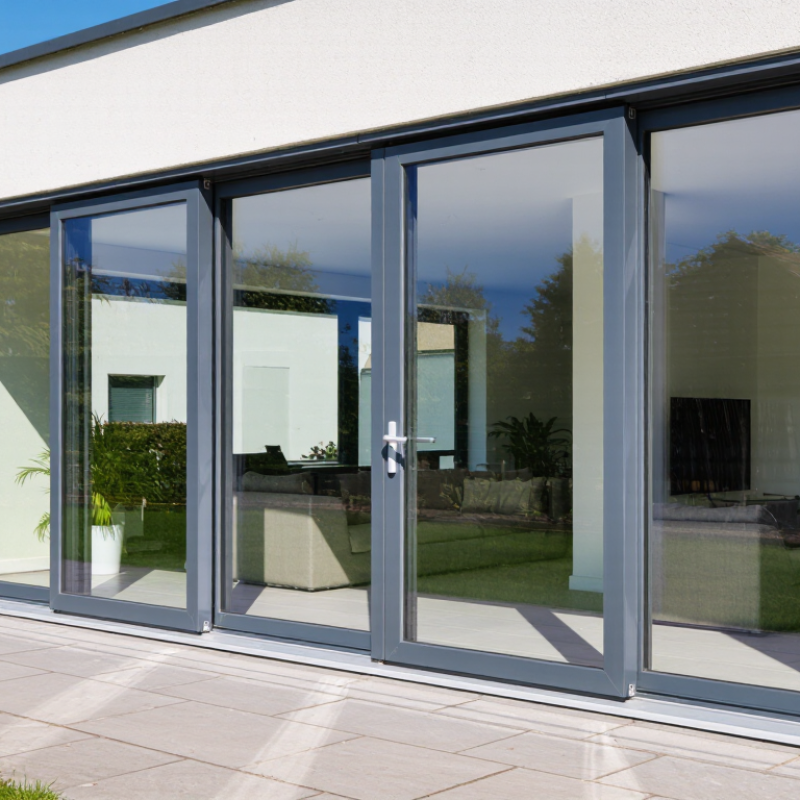
Low maintenance aluminum doors and windows begin with the right material choices. Aluminum resists warping, swelling, and insect damage better than many traditional frames. A durable powder-coated finish also reduces repainting needs. Look for an even surface without thin edges or visible coating defects. Small flaws can become obvious after years of sunlight and rain.
Good drainage matters. During inspections, I check whether water can leave the frame through clear drainage channels. Blocked openings may cause staining, corrosion around hardware, or moisture near the wall. Thermal breaks can reduce condensation on interior frames, especially during cold weather. They do not eliminate every moisture problem. Poor installation can still create trouble.
Hardware and seals deserve equal attention. Stainless or corrosion-resistant fittings usually perform better in humid or coastal areas. Flexible gaskets should remain soft, tight, and easy to replace. Clean frames with mild soap and water, then remove grit from tracks with a soft brush. Avoid abrasive pads. They can damage the protective finish.
A low-maintenance design should also allow simple access for cleaning and adjustment. Ask how often hinges, locks, rollers, and seals need inspection. In busy homes, monthly cleaning near the entrance may be realistic. In dusty or salty environments, more frequent care is sensible. The cheapest option may not stay cheapest. Installation quality, local weather, and daily use often matter more than appearance alone.
How to Choose Low Maintenance Aluminum Doors and Windows?
How to Choose Durable Aluminum Frames and Protective Finishes
Choosing durable aluminum frames starts with the section, not the color. During renovation inspections, I check frame depth, corner joints, and drainage paths. A rigid profile reduces sash movement and keeps seals compressed. Look for reinforced corners, clean welds, and replaceable hardware. Thermal breaks matter in hot and cold climates. They limit heat transfer and reduce interior condensation. Ask for tested air, water, and wind performance. Request independent reports when available. Numbers are more useful than vague claims.
The protective finish must match the building’s exposure. Powder coating suits many residential settings when the surface is properly pretreated. Anodizing can provide a hard, metallic surface, but its appearance depends on the alloy and process. Near saltwater, choose a finish rated for coastal conditions. Inspect cut edges, screw points, and hidden rebates. These areas often reveal weak preparation first. Avoid relying on color alone. A smooth sample can hide poor adhesion.
I once selected an attractive frame with shallow drainage channels. Heavy rain exposed the mistake within one season. Now I ask how water exits and whether channels can be cleaned. Maintenance remains simple when surfaces are smooth and fasteners resist corrosion. Use pH-neutral soap, soft brushes, and fresh water. Abrasive pads can damage the finish. Check seals annually, even when the frame looks new. I still think appearance influences decisions too much. Performance should lead, yet practical beauty has value.
Choose durable aluminum frames and protective finishes according to the building’s exposure conditions.
The chart shows indicative, brand-neutral planning ranges for aluminum frame service life. Inland locations generally require less frequent maintenance, while coastal and industrial environments need more regular cleaning and inspections because salt, pollutants, and moisture accelerate surface wear. Select properly treated aluminum, durable anodized or coated finishes, effective drainage, and corrosion-resistant hardware for longer service life.
Choosing low-maintenance aluminum doors and windows starts with the glass, not the frame. In my site inspections, double glazing reduced interior condensation and softened street noise. Low-emissivity coatings also limit heat transfer, but their performance depends on correct installation. Ask for the glass specification, spacer type, and tested thermal values. A sales promise is not evidence. Select safety glass near doors and in large, low-level panels. It costs more, yet replacement after breakage costs far more.
Seals deserve a close look. Flexible gaskets should sit continuously in their channels, with no gaps at corners. I press lightly around the edge; brittle rubber or uneven pressure suggests future drafts. Check whether the seal material tolerates sunlight, rain, and seasonal temperature changes. Small drainage openings must remain clear. This detail is easy to miss. A sealed unit can still leak if water cannot escape. I once saw a new window fail this basic check.
Hardware should operate smoothly without force. Corrosion-resistant components suit humid and coastal locations, though “rust-free” claims still need test documentation. Open and close each sash several times. Look for alignment, secure locking points, and adjustable hinges. Weather resistance should be supported by air, water, and wind-load test results for your climate. Laboratory ratings help, but site exposure can differ. Consider overhangs and installation quality too. I would choose a simpler system with accessible replacement parts over a complex mechanism no local technician understands. That judgment is practical, not perfect.
How to Choose Low Maintenance Aluminum Doors and Windows?
Installation quality strongly affects long-term performance. Ask the installer to inspect the opening before ordering. Uneven walls can force poor adjustments later. The frame should sit square, plumb, and level. Small shims matter. So does drainage.
Look for continuous flashing beneath the sill and sealed joints around the frame. Proper fasteners should match the wall structure, not merely the visible trim. After installation, open and close every panel several times. Check the locks, rollers, seals, and drainage holes. A careful installer should explain each adjustment and provide photographs of hidden work. If the door rubs on day one, do not accept “it will settle” without evidence.
Read the warranty before comparing prices. Separate coverage for frames, finishes, glass, hardware, and installation labor is common. Check exclusions for coastal exposure, improper cleaning, water entry, and unauthorized repairs. Confirm who handles service and whether coverage transfers when the property is sold. A long warranty means little if labor is excluded or response times are vague.
Long-term cost includes cleaning, adjustment, replacement parts, energy loss, and future glass repairs. Powder-coated surfaces usually need gentle washing, not harsh chemicals. Thermal breaks and suitable glazing may cost more initially, but they can improve indoor comfort. Still, the most efficient specification is not always the best choice for every room. Compare written quotes line by line, including removal, disposal, interior repairs, and final testing. A cheap installation can become expensive when small defects multiply.
| Evaluation Dimension | What to Check Before Purchase | Higher-Quality Standard | Warning Signs | Long-Term Cost or Benefit |
|---|---|---|---|---|
| Frame Material | Ask whether the frames use corrosion-resistant aluminum suitable for the local climate and whether the alloy and finish are documented. | Thermally improved or thermally broken frames with a durable powder-coated or anodized finish. | Unclear material specifications, inconsistent finish, visible discoloration, or poor coating adhesion. | Better finishes reduce repainting and corrosion-related repair costs. Aluminum frames commonly remain serviceable for several decades when properly finished and maintained. |
| Thermal Performance | Compare the whole-unit U-factor, not only the glass. Confirm whether the quotation includes low-emissivity glass, insulating gas, and warm-edge spacers. | A lower U-factor, properly sealed insulated glazing, and a thermally broken frame where heating or cooling costs matter. | Only center-of-glass performance is provided, or thermal figures are missing from the quotation. | Higher initial cost can reduce heat transfer and indoor temperature fluctuations. Actual energy savings depend on climate, window area, orientation, shading, and household use. |
| Weather Sealing | Check the type and replaceability of weatherstripping, drainage paths, corner joints, and sill design. | Continuous, replaceable seals; sloped or drained sills; sealed corners; and clear drainage outlets. | Blocked weep holes, brittle seals, open corner gaps, or water collecting inside the frame. | Effective drainage limits water damage and reduces the likelihood of seal, wall, and interior-finish repairs. |
| Installation Preparation | Confirm that the opening will be measured at multiple points and checked for plumb, level, square, moisture, and structural condition. | A written site survey with opening dimensions, substrate conditions, product tolerances, and responsibility for any required repairs. | The installer measures only once, skips moisture checks, or plans to force an incorrectly sized unit into the opening. | Accurate preparation lowers the risk of air leakage, difficult operation, water intrusion, and expensive reinstallation. |
| Installation Method | Ask how the frame will be fastened, shimmed, insulated, flashed, sealed, and integrated with the wall's water-resistive barrier. | Level and square installation, load-bearing shims, corrosion-resistant fasteners, backer rod where appropriate, and compatible exterior sealant. | Foam used as the only support, excessive sealant covering drainage holes, missing flashing, or no written installation procedure. | Professional installation often costs more initially but helps prevent drafts, leaks, operating problems, and premature component failure. |
| Post-Installation Testing | Determine whether the installer will inspect operation, locks, gaskets, drainage, visible gaps, and glass condition after installation. | Each unit opens, closes, locks, and drains correctly; the installer records adjustments and provides care instructions. | No final inspection, no adjustment period, or unresolved rubbing, leakage, or lock problems at handover. | Early correction is usually less costly than returning after interior finishes or exterior cladding have been completed. |
| Hardware Quality | Review the material, corrosion resistance, load rating, availability, and replaceability of rollers, hinges, locks, and handles. | Hardware matched to the sash or door weight, protected against the local environment, and available as replaceable service parts. | Loose handles, difficult locking, unsupported heavy panels, or hardware with no stated replacement path. | Replaceable hardware can extend the useful life of the unit without replacing the complete frame and glass assembly. |
| Warranty Coverage | Read separate terms for frames, finish, insulated glass, hardware, screens, labor, and installation. | Clear coverage periods, exclusions, claim procedures, and written confirmation of whether labor and removal costs are included. | One broad warranty with no component details, unclear transferability, or exclusions for installation-related defects. | A longer warranty is valuable only when the provider remains reachable and the covered parts, labor, and remedies are clearly defined. |
| Typical Warranty Time Frames | Compare the actual written terms rather than relying on sales statements. | Many residential products offer limited coverage commonly ranging from about 5–20 years for selected components; exact terms vary by product and region. | No written warranty, very short coverage for major components, or a warranty that excludes normal operation defects without explanation. | Warranty length should be compared with exclusions, pro-rated reductions, labor coverage, and the expected availability of replacement parts. |
| Routine Maintenance | Check the cleaning requirements for frames, tracks, drainage holes, seals, glass, and hardware. | Periodic cleaning with mild soap and water, keeping tracks and drainage paths clear, and occasional hardware lubrication where specified. | Abrasive cleaners, blocked drains, unclean tracks, or neglected seals and fasteners. | Basic seasonal cleaning is generally inexpensive. Neglect can cause blocked drainage, premature seal wear, corrosion, or difficult operation. |
| Finish Durability | Ask for documented coating or anodizing specifications and whether the finish is suitable for coastal, industrial, or high-UV exposure. | A finish selected for the exposure level, with care instructions and a defined finish warranty. | Unprotected cut edges, incompatible cleaning chemicals, or no guidance for salt-air environments. | Coastal and industrial locations may require more frequent rinsing and inspection, increasing maintenance needs compared with inland locations. |
| Initial Cost Comparison | Compare the complete installed price, including removal, disposal, trims, flashing, interior repairs, taxes, and permits where applicable. | A line-item quotation with product, glass, hardware, labor, preparation, finishing, warranty, and change-order costs shown separately. | A low headline price that excludes opening repairs, disposal, trim, access equipment, or interior patching. | The lowest purchase price may produce a higher total cost if it leads to extra preparation, repairs, energy loss, or early replacement. |
| Long-Term Cost of Ownership | Consider purchase price, installation, maintenance, hardware and seal replacement, energy use, repairs, and expected service life. | A balanced choice with reliable installation, repairable components, suitable thermal performance, and documented warranty support. | The decision is based only on frame price or appearance, without evaluating operation, climate exposure, and service access. | For a fair comparison, estimate total ownership cost over 10–20 years rather than comparing initial quotations alone. |
Comparison note: Costs, warranty periods, energy savings, and service life vary by country, climate, building condition, opening size, glazing specification, and installation practice. Request written product and installation specifications before making a final decision.
Choosing aluminum doors and windows should begin with your home’s actual needs, not appearance alone. Measure each opening carefully, then consider sunlight, wind, rain, noise, and daily traffic. A sliding door suits a narrow patio, while hinged doors may provide a tighter seal. For bedrooms, double glazing can reduce outdoor noise and improve indoor comfort. In warm climates, choose frames with thermal breaks to limit heat transfer.
Frame quality matters, but small parts matter too. Look for corrosion-resistant finishes, strong hinges, replaceable seals, and smooth drainage channels. These details reduce cleaning and prevent water from collecting inside the frame. Homes near the coast need extra protection because salt air can damage untreated surfaces. Check the product specifications and installation guidance. A well-made frame can still perform poorly when installed out of square. That is an easy detail to underestimate.
Tips: Match the glass to each room. Choose easy-clean surfaces. Test locks before installation. Ask about maintenance intervals. Do not select the thinnest frame only to save space. I would also inspect corners, handles, and drainage paths in person, because photographs hide weak details. A little doubt helps.
Aluminum resists warping, swelling, and insect damage. A durable finish can reduce repainting. It still needs regular cleaning and inspection.
Check frame depth, rigid profiles, reinforced corners, and clean joints. Clear drainage paths are essential. Shallow channels can cause trouble.
Thermal breaks reduce heat transfer through the frame. They can also reduce interior condensation during cold weather. They do not solve every moisture problem.
Powder coating suits many homes with proper surface preparation. Anodizing provides a hard metallic surface. Coastal locations need finishes rated for salty exposure.
The frame should be square, plumb, and level. Check flashing beneath the sill and sealed joints around the frame. Open every panel several times.
Wash surfaces with mild soap and fresh water. Use a soft brush for tracks. Avoid abrasive pads. They can scratch the finish.
Check seals, hinges, locks, and rollers at least annually. Busy entrances may need monthly cleaning. Dusty or salty areas require more frequent care.
Separate coverage may apply to frames, finishes, glass, hardware, and labor. Check exclusions for water entry and improper cleaning. Response times also matter.
Include cleaning, adjustments, replacement parts, energy use, and future glass repairs. Compare written quotes line by line. A cheap installation may become expensive.
No. A smooth sample can hide weak adhesion or poor drainage. I still overvalue appearance sometimes. Performance should lead. Practical beauty matters too.
Choosing low-maintenance aluminum doors and windows begins with understanding how the material, design, and finish work together. Aluminum frames are naturally resistant to warping, insects, and moisture, but durable alloys and protective coatings provide better resistance to corrosion, fading, and everyday wear. When considering how to select aluminum doors and windows with low maintenance, examine the glass, seals, hardware, and drainage design. Well-sealed double glazing, weather-resistant gaskets, smooth operating mechanisms, and effective water drainage can improve comfort, energy efficiency, and long-term reliability.
Installation quality is equally important. Even high-quality products may perform poorly if they are not measured, fitted, and sealed correctly. Compare warranties carefully, including coverage for frames, finishes, glass, and hardware, while also considering cleaning needs, energy savings, repair costs, and expected service life. Finally, match the door and window style to your home's climate, ventilation, security, lighting, and daily use. A balanced choice will require only simple cleaning and occasional inspections while maintaining dependable performance for many years.

Envi Window