When considering the purchase of aluminum doors and windows, it's crucial to assess their quality. Many homeowners overlook this critical step. According to a recent industry report, nearly 30% of buyers regret their choice due to poor quality materials. So, how to judge the quality of aluminum doors and windows before purchase?
The key factors include material strength, thermal insulation, and resistance to corrosion. Research shows that well-constructed aluminum framed products can enhance energy efficiency by up to 20%. This statistic is vital as energy efficiency translates directly into cost savings over time.
However, despite this knowledge, many consumers still get swayed by aesthetic appeal rather than performance metrics. It's important to remember that visual allure does not guarantee longevity. Scrutinizing specifications and obtaining third-party certification data can greatly bolster your confidence in the product’s durability. Always approach potential purchases with a critical mindset.
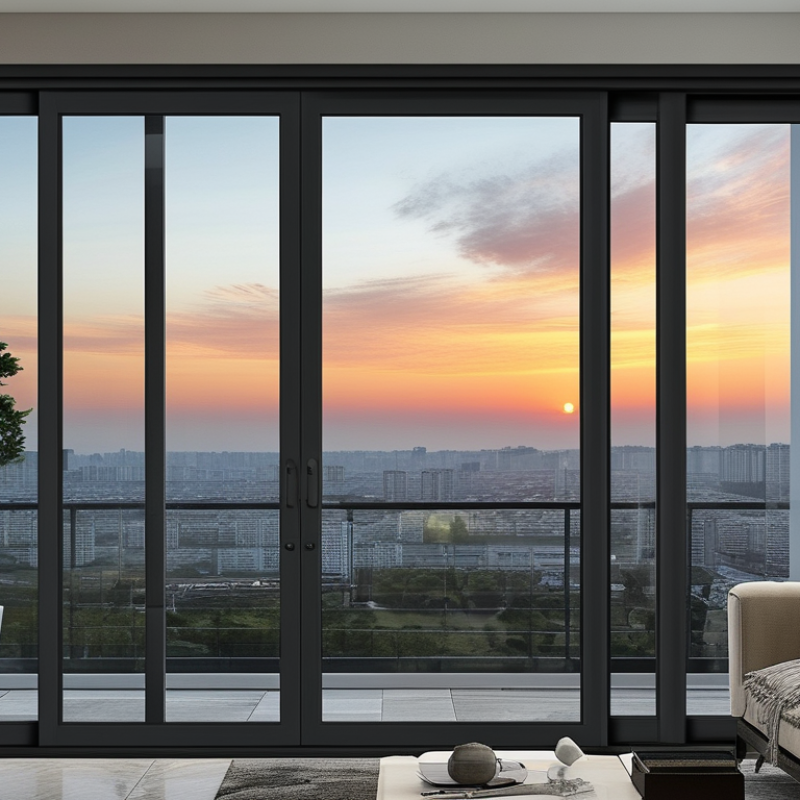
When evaluating aluminum doors and windows, understanding their specifications is crucial. Start with the material thickness, typically measured in millimeters. Thicker materials offer better durability and insulation. Look for aluminum frames with thermal breaks. These features reduce heat transfer and enhance energy efficiency.
Always check the glazing options. Double or triple glazing can significantly improve insulation against outdoor noise and temperature fluctuations. U-value is important; lower values indicate better thermal performance. Additionally, consider the finish. Powder-coated finishes can withstand weather conditions better than standard paint.
Tips: Inspect the warranty details. A solid warranty often reflects manufacturer confidence in their product. Explore energy ratings to ensure optimal performance. Investigate customer reviews for real-world performance insights. While specifications are vital, don't overlook the importance of professional installation. Poor installation can compromise even high-quality doors and windows.
When considering aluminum doors and windows, quality indicators in aluminum frames should be a priority. One essential aspect is the thickness of the frame. A frame thickness of at least 1.6 mm tends to offer better durability and resistance to environmental factors. Industry reports indicate that thinner frames can warp easily, leading to performance issues.
Another crucial factor is the type of alloy used. The 6063 aluminum alloy is often preferred for its strength and corrosion resistance. According to the Aluminum Association, a well-designed alloy can withstand harsh weather conditions without degrading. Assessing the thermal performance is also vital. Frames with better thermal barriers can significantly reduce energy costs. Studies show that about 30% of energy loss in buildings results from poor window and door insulation.
Lastly, look for finishes that provide extra protection. Anodized finishes can increase scratch resistance and longevity. However, not all anodized finishes meet the same quality standards. Carefully check for certification marks to ensure compliance with industry benchmarks. Consider that while these guidelines are helpful, individual needs may vary based on location and building type. Always seek multiple opinions before deciding.
When evaluating aluminum doors and windows, thermal efficiency is crucial. Look for products with a high energy performance rating. This rating indicates how well they resist thermal transfer. A good seal is vital, as it prevents heat loss in winter and keeps heat out in summer. Consider the materials used in the frame and insulation. This impacts overall energy savings.
Insulation properties can enhance comfort and reduce energy bills. Look for multi-chambered profiles. These designs trap air and provide better insulation. Check the thermal break technology as well. This creates a barrier against temperature changes. It’s essential to ask for specific performance data, such as U-values. These values help in assessing efficiency accurately.
However, not all products will meet your expectations. Some types may perform well in theory but fail in practice. It's wise to consult independent reviews and case studies. Personal experiences can vary widely. In this search for quality, being informed can prevent costly mistakes. Ensure you assess these features before making a final decision.
When purchasing aluminum doors and windows, evaluating the hardware and locking mechanisms is essential. A sturdy locking mechanism enhances security. Look for deadbolts and multi-point locking systems. These features provide better resistance against forced entry. The quality of these components can vary significantly, affecting the overall durability of the doors and windows.
Consider the materials used in the hardware. Stainless steel or brass are excellent choices. They resist corrosion and wear, prolonging the lifespan. Inspect hinges and handles for thickness. Thicker materials generally indicate greater strength. Many buyers overlook these details, potentially compromising their investment. If components feel flimsy, they likely cannot withstand daily use.
Also, pay attention to the warranty that accompanies the hardware. A longer warranty usually reflects confidence in the product. However, do not assume a lengthy warranty indicates quality. Investigate user reviews and expert opinions. These resources often reveal hidden issues. It’s wise to gather as much information as possible before making a decision. Recognizing varied quality levels can prevent future frustration.
| Criteria | Description | Importance Level | Recommended Features |
|---|---|---|---|
| Material Quality | Assess the type of aluminum used and its resistance to corrosion. | High | Powder-coated or anodized finish for better durability. |
| Frame Thickness | Evaluate the thickness of the frame for strength and insulation properties. | Medium | Minimum of 1.2mm thickness recommended. |
| Weather Resistance | Check for features that enhance resistance to wind, rain, and sun exposure. | High | Triple seals and multi-chambered frames. |
| Locking Mechanisms | Assess the quality and reliability of locks for security. | High | Multi-point locking systems for enhanced security. |
| Hardware Quality | Examine hinges, handles and other hardware for durability. | Medium | Stainless steel or high-quality aluminum hardware. |
When choosing aluminum doors and windows, the manufacturer's warranty is crucial. A strong warranty reflects the manufacturer's confidence in their products. Look for warranties that offer substantial coverage. Long warranty periods indicate durability, which is essential for windows and doors exposed to harsh weather conditions. However, it's essential to read the fine print. Not all warranties cover the same issues. Some may exclude certain types of damage or defects. This can lead to unexpected costs down the road.
Manufacturer reputation also plays a significant role. Research the company’s history and customer feedback. A reputable manufacturer will likely have positive reviews and a good standing in the industry. Quality products often come from businesses that prioritize customer satisfaction. Still, even well-regarded manufacturers can have flaws. Sometimes, what seems to be a good deal might be a red flag. Take your time to assess their production process and materials used. This background check can help avoid future regrets.
: Material thickness is essential. Thicker materials generally provide better durability and insulation.
Thermal breaks reduce heat transfer. This feature enhances energy efficiency in aluminum frames.
Look for double or triple glazing. These options improve insulation against noise and temperature changes.
U-value indicates thermal performance. Lower values mean better insulation and temperature retention.
Powder-coated finishes are more resistant to weather. They last longer than standard paint options.
A strong warranty shows manufacturer confidence. It often covers important issues related to product durability.
Brand reputation matters, but it's not everything. Even known companies can have flaws and bad deals.
Professional installation is crucial. Poor installation can lead to problems, even with quality products.
Customer reviews provide real-world performance insights. They help assess the product's effectiveness and reliability.
The fine print can reveal exclusions. Understanding it can prevent unexpected costs later on.
When considering how to judge the quality of aluminum doors and windows before purchase, it's essential to understand the specifications that define their structural integrity and performance. Begin by identifying key quality indicators in the aluminum frames, such as thickness, alloy composition, and finishing quality, which can significantly impact durability and aesthetics.
Additionally, assessing thermal efficiency and insulation properties is crucial for energy conservation and comfort, ensuring that the doors and windows can withstand varying climates. Evaluating the hardware and locking mechanisms will provide insights into security and ease of use, which are also vital considerations. Finally, comparing warranties and the reputation of manufacturers can offer assurance regarding the longevity and reliability of your investment, leading to a more informed purchasing decision.

Envi Window