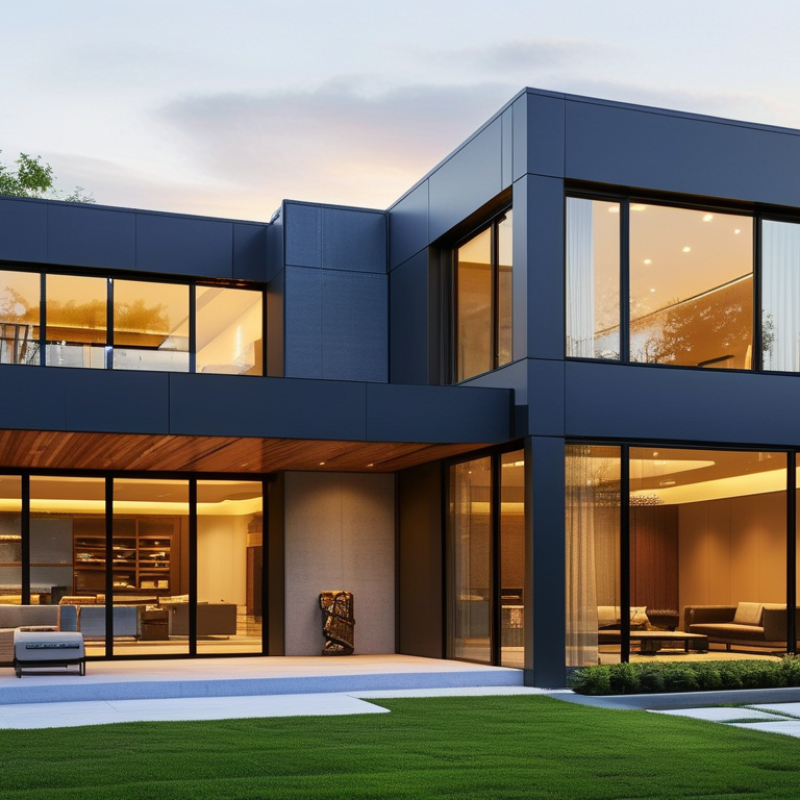
When considering the installation of aluminum doors and windows, many homeowners wonder, "What affects the overall cost of aluminum doors and windows?" Various factors play a key role in determining the final price. Quality, customization, and installation are crucial components that significantly impact costs.
Aluminum type and grade can also vary in price. Higher-grade aluminum typically offers enhanced durability and insulation. Moreover, energy-efficient designs can lead to increased upfront costs, yet they save money over time. Features like coatings and finishes add another layer of expense, providing aesthetic appeal but increasing investment.
Labor costs are not to be overlooked. Skilled installation can command higher fees, but it ensures longevity and function. Additionally, regional factors may influence the overall price due to market demand and availability. Reflecting on these elements helps potential buyers understand the complexities involved, making the decision process more informed and less overwhelming. The wider implications of choosing aluminum should also be weighed against other materials.
The quality of materials in aluminum doors and windows significantly affects their cost and durability. The type of aluminum alloy used is critical. Alloys like 6063 and 6061 are popular due to their strength and resistance to corrosion. According to industry reports, using higher-grade alloys can increase production costs by up to 20%. This investment, however, pays off in the long run through enhanced longevity.
Another crucial factor is the coating process. Powder coating is often preferred for its durability, but it can add 10-15% to the total cost. Reports indicate that properly coated aluminum can resist fading and peeling for years. On the other hand, some manufacturers bypass this step to cut costs, which may lead to premature wear.
With energy efficiency becoming a priority, insulated frames are gaining traction. These frames can add to the price but significantly improve thermal performance. Research shows that homes with insulated aluminum windows reduce energy bills by 20-30%. It’s essential to balance initial costs with long-term savings to make informed choices.
| Factor | Description | Impact on Cost |
|---|---|---|
| Material Quality | The grade and thickness of aluminum used in manufacturing can affect durability and appearance. | Higher quality materials increase costs. |
| Design Complexity | Intricate designs require more labor and precision in manufacturing. | Complex designs typically lead to higher prices. |
| Finish Type | Different finishing techniques (e.g., anodized, powder-coated) offer varied aesthetics and durability. | Special finishes can add to the total cost. |
| Size and Dimensions | Larger doors and windows require more material and structural support. | Increased size generally raises the cost significantly. |
| Energy Efficiency | Features like thermal breaks improve insulation but can be more expensive. | Energy-efficient models typically cost more due to technology. |
| Brand Reputation | Established brands may charge more due to quality assurance and trust. | Brand premium contributes to higher prices. |
| Installation Costs | Professional installation may be required, adding to the overall expense. | Labor costs can significantly increase total cost. |
Design complexity plays a crucial role in determining the cost of aluminum doors and windows. Intricate designs often involve more precise engineering. Curved shapes, detailed patterns, or custom sizes increase production time. This added labor can significantly hike costs. Simple, straightforward designs typically have lower price points.
Additionally, specialized installation techniques may be required for complex designs. This often means hiring skilled labor, which can further elevate overall expenses. Custom finishes and colors also contribute to higher costs. These design factors must be considered when budgeting for a project. However, striking a balance between aesthetics and practicality is essential.
While unique designs can enhance a property’s appeal, they may also lead to higher maintenance. Reflecting on long-term durability versus initial costs is important. Investing in complex designs might yield stunning results, but they could require more resources down the line. Careful planning and consultation with professionals can help navigate these complexities effectively.
The aluminum door and window market is influenced by various trends.
Eco-friendly design is currently a hot topic. More consumers seek sustainable options, pushing manufacturers to adapt.
This shift affects pricing structures. Higher demand for green products may lead to increased initial costs.
Raw material prices also fluctuate due to economic conditions. The availability of bauxite, the primary ore for aluminum, can vary. When supply dips, costs generally rise.
This creates uncertainty for builders and homeowners alike. Projects may experience delays or budget overruns because of these changes.
The rise of smart home technology plays a role too. Many homeowners want stylish, functional units that integrate with smart systems.
Innovative designs often carry a higher price tag. This trend shapes how aluminum products are marketed and sold.
However, some may find it hard to justify the expense. Cost versus value remains a pressing question in today’s market.
When considering aluminum doors and windows, installation costs play a crucial role in the overall budget. According to the National Association of Home Builders, labor costs can account for up to 30% of the total project expense. These costs vary significantly based on location, the complexity of the installation, and the design of the aluminum features. For instance, conventional installations in urban areas may cost more due to higher labor rates and stricter building codes.
Tip: Always obtain multiple quotes from professionals. This can help ensure that you receive a fair estimate for the installation. Clear communication about your design preferences can also prevent unexpected expenses later.
Another factor influencing installation costs is the existing condition of your home. If structural repairs are necessary, this can quickly inflate the budget. Additional costs may arise from required permits or inspections. According to industry reports, unexpected expenses can increase costs by over 25%. Being prepared for these potential issues can save time and minimize frustration.
Tip: Consider consulting with a contractor before purchasing. They can often provide insights into hidden costs based on your home's condition. Understanding these factors ensures a smoother installation process.
When considering aluminum doors and windows, long-term maintenance and durability are crucial factors. Aluminum is inherently resistant to rust and corrosion. However, over time, wear and tear can occur, especially in harsh weather conditions. Regular inspections can help identify any issues early on.
Tips: Inspect seals and joints regularly. Look for signs of wear or gaps. Early detection can save costly repairs.
Another factor to consider is the finish of the aluminum. High-quality finishes can significantly enhance durability. They resist fading, chipping, and peeling. Without proper maintenance, inferior finishes can degrade faster. This impacts the aesthetic and performance of the windows and doors.
Tips: Clean aluminum surfaces quarterly. Use a mild detergent and water solution. Avoid harsh chemicals that can damage the finish.
Investing in high-quality aluminum products ensures longevity. However, they need routine care. Ignoring maintenance could lead to unexpected failures. Balancing quality and upkeep is essential for lasting performance.
: Pricing is influenced by eco-friendly designs and raw material costs. Increased demand for green options may raise prices.
Prices change depending on bauxite availability. When supply decreases, costs generally rise, creating uncertainty in projects.
Many homeowners want aluminum products that integrate with smart systems. Innovative designs may come at a higher cost.
Regularly check seals and joints for wear. Early detection can prevent costly repairs.
Clean them quarterly using mild detergent and water. Avoid harsh chemicals to protect the finish.
Proper care ensures durability. Ignoring maintenance can lead to unexpected failures over time.
No, high-quality finishes resist fading and chipping. Inferior finishes degrade faster, impacting aesthetics and performance.
Yes, they offer longevity but require routine care. Balance between quality and maintenance is key.
The cost of aluminum doors and windows is influenced by several key factors. First, the material quality plays a crucial role, as higher-grade aluminum often leads to better durability and performance, thus affecting pricing. Additionally, the complexity of the design can significantly increase costs; intricate designs may require more labor and specialized manufacturing processes. Market trends also impact aluminum pricing, with fluctuations in raw material costs leading to variations in the final price for consumers.
Moreover, installation costs must be considered, as professional installation can add a significant expense to the overall project. Lastly, long-term maintenance and durability considerations should not be overlooked; investing in high-quality aluminum products could lead to reduced maintenance costs over time. Understanding what affects the overall cost of aluminum doors and windows is essential for making informed decisions when investing in these products.
Envi Window