In the contemporary landscape of urban architecture, the demand for Privacy Windows has shifted from a luxury feature to a fundamental necessity. As population density increases and the "Home-as-a-Sanctuary" concept matures, manufacturers are integrating advanced material science—from PDLC switchable glass to nanotechnology-based frosted finishes—to meet rigorous privacy and energy efficiency standards.
This comprehensive whitepaper analyzes the Top 10 Privacy Windows Manufacturers, focusing on their manufacturing capabilities, technological integration, and the strategic advantages of sourcing from high-capacity hubs like Shandong, China.
Advanced privacy windows offer more than visual screening. Integrated tempered glass and reinforced aluminum profiles provide hurricane-rated protection and burglary resistance.
Modern solutions utilize Selective Light Transmission (SLT), allowing natural daylight to enter while diffusing the view from outside, reducing the need for artificial lighting.
Privacy glass often incorporates Low-E coatings and thermal break aluminum technology, significantly lowering HVAC costs by reflecting UV and infrared radiation.
Established in 2014, with roots tracing back to 1993, Shandong Envi Doors and Windows Co.,Ltd. represents the pinnacle of Chinese large-scale aluminum manufacturing. Occupying a 100,000 square meter facility, the enterprise has mastered the vertical integration of aluminum extrusion, decorative profile design, and intelligent window fabrication.
With an annual production capacity of 50,000 tons of aluminum profiles and an output value exceeding 1 billion yuan, Envi serves as a benchmark for high-volume B2B procurement. Their facilities house advanced extrusion lines (600T to 2500T), electrophoretic coating systems, and simulated wood grain production lines, ensuring every privacy window meets rigorous aesthetic and functional criteria.
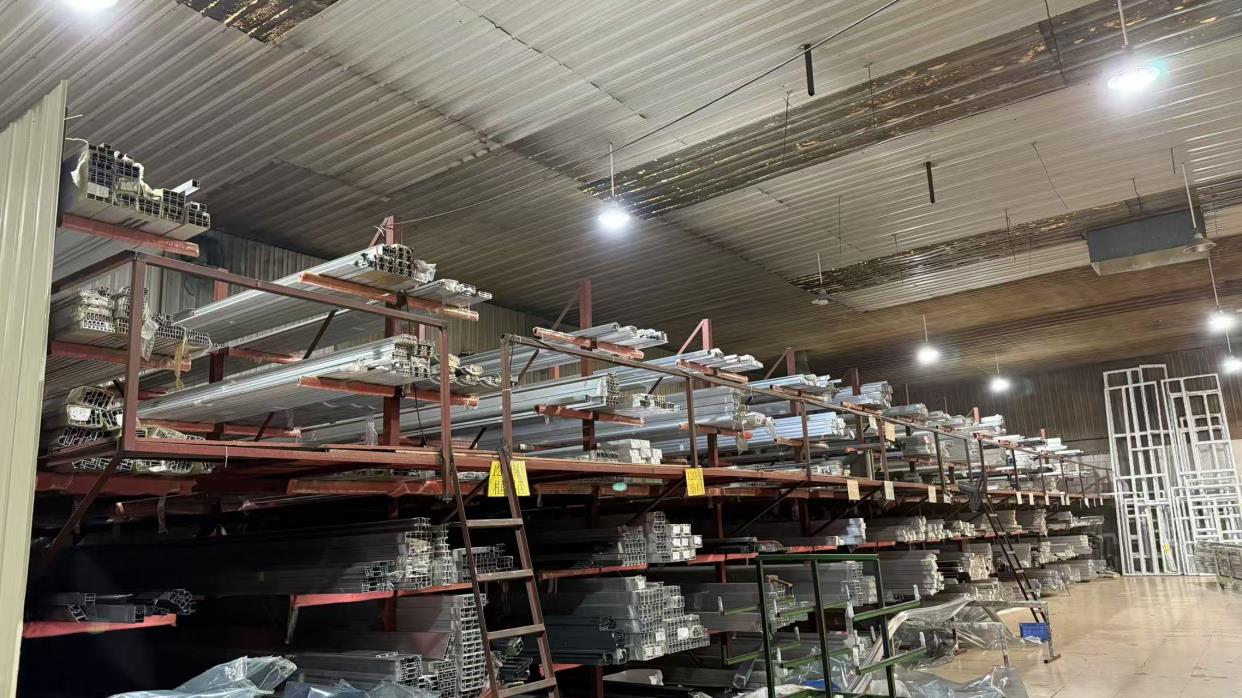
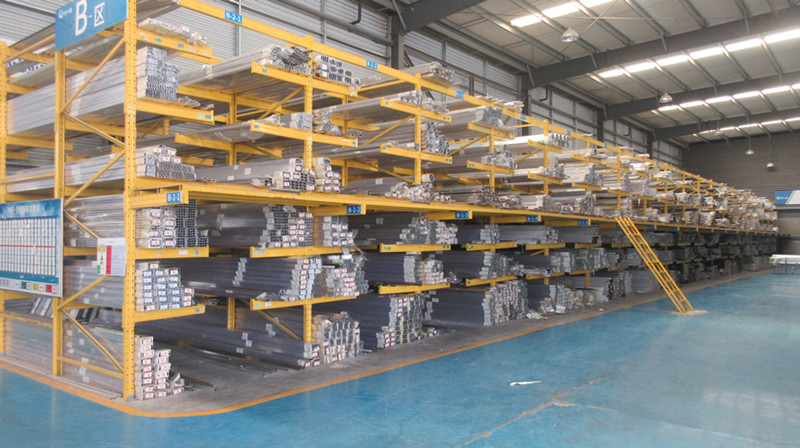
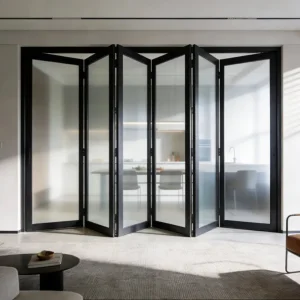
High-grade aluminum ingots
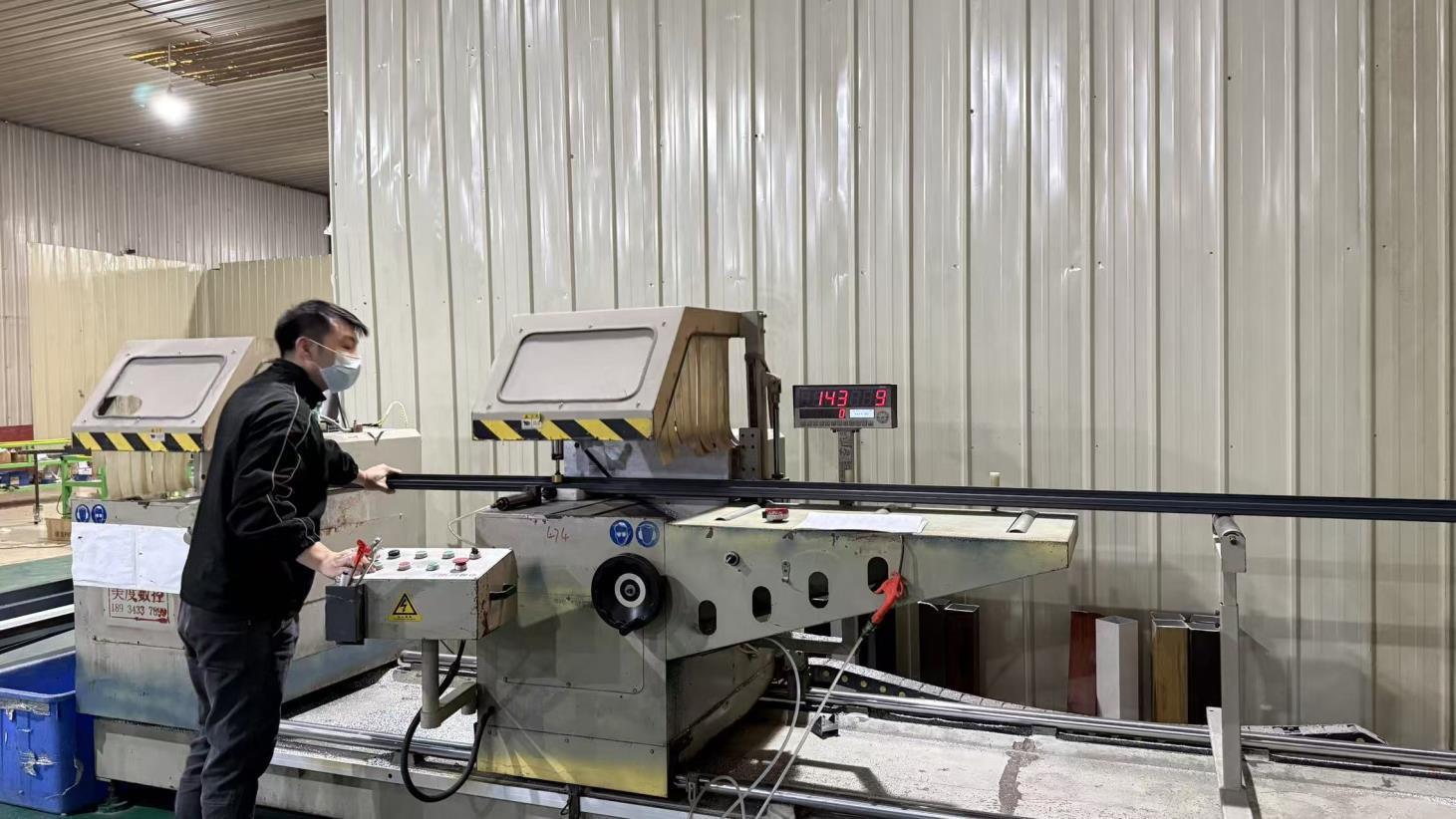
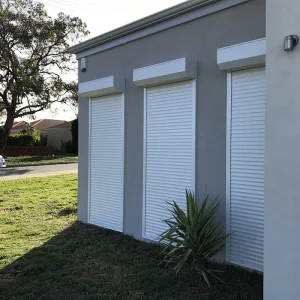
Automated CNC scaling
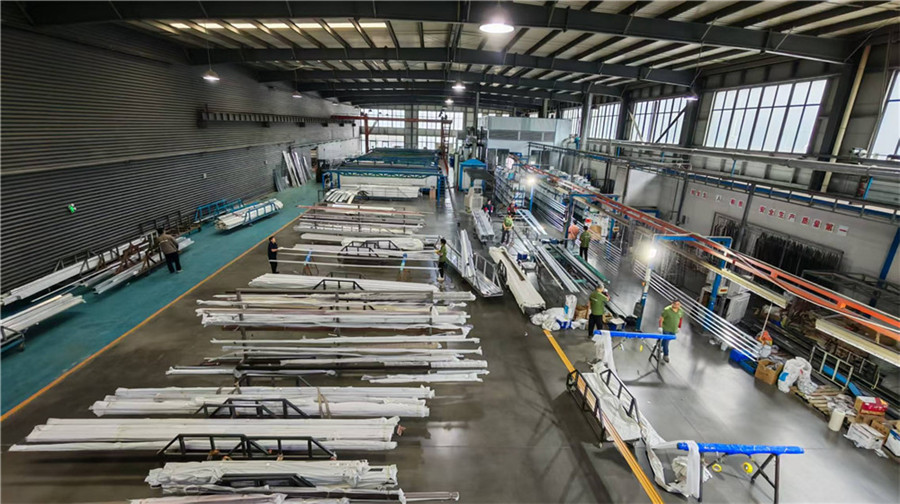
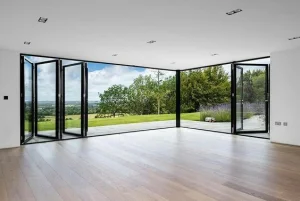
Intricate detail engineering
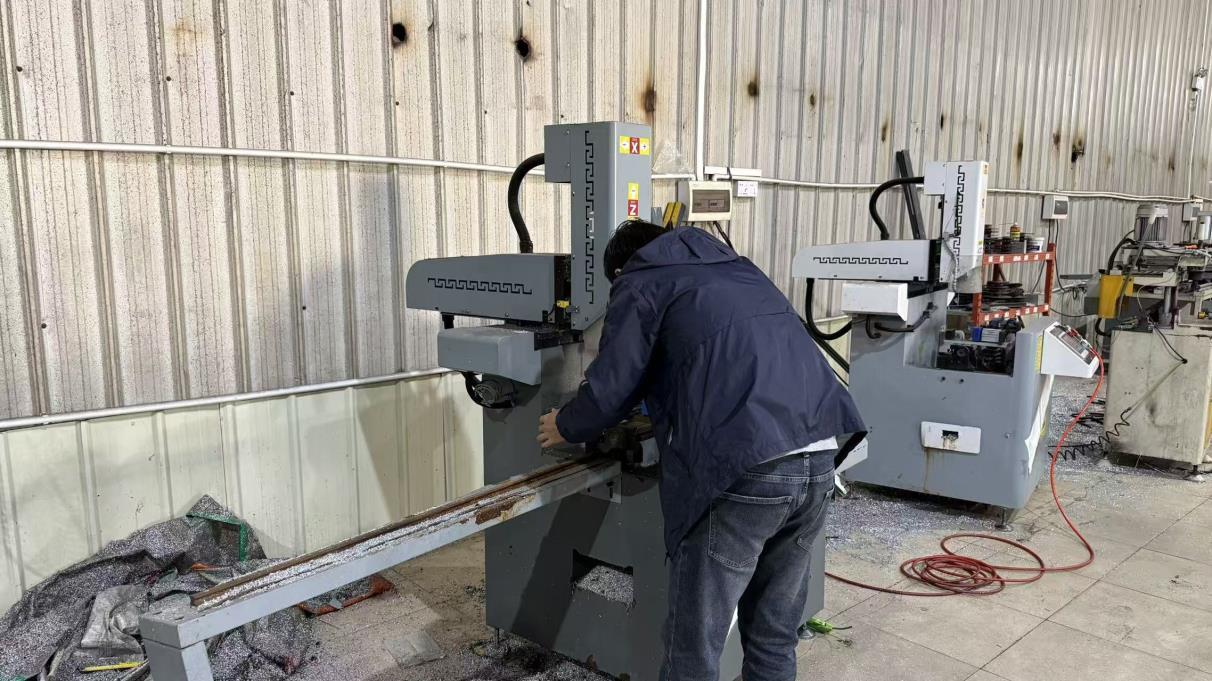
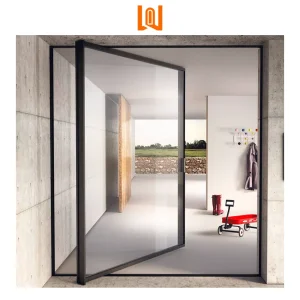
High-accuracy hardware fitment
Unlike fragmented manufacturers, Chinese factories in Shandong leverage an integrated ecosystem where raw aluminum smelting, extrusion, and glass fabrication happen within a 50-mile radius, drastically reducing lead times and logistical costs.
With facilities exceeding 100,000 SQM, these factories can handle multi-tower commercial developments simultaneously without compromising the 25-35 day delivery window standard in the industry.
Modern Chinese privacy windows utilize European-standard hardware (such as Roto or Siegenia) and Italian extrusion technology, offering premium performance at a competitive FOB price point.
The "Intent-to-Buy" for Polymer Dispersed Liquid Crystal (PDLC) windows has grown by 45% YoY. Users can toggle windows from transparent to opaque via smartphone apps or AI voice assistants, a trend heavily adopted in luxury smart homes and executive boardrooms.
Top manufacturers are now specializing in localized certifications. For North American markets, focus is on NFRC (National Fenestration Rating Council) ratings for thermal performance; for the Australian market, AS2047 compliance for wind loads is paramount.
Privacy is no longer just visual. The new generation of windows combines laminated privacy glass with multi-chambered aluminum profiles to achieve STC (Sound Transmission Class) ratings of 40+, blocking street noise while maintaining visual seclusion.
Frosted and switchable glass solutions for patient rooms and consultation areas, ensuring HIPAA-compliant visual privacy without sacrificing natural light.
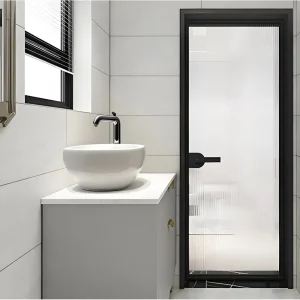
High-rise balcony systems and bathroom casement windows that utilize one-way mirrors or textured glass to prevent neighbor intrusion in dense cities.
Internal partitions and exterior facades using reflective privacy coatings to maintain corporate secrecy and reduce glare in open-plan offices.
 Envi Window