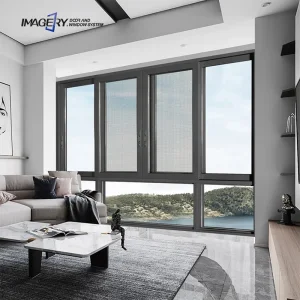
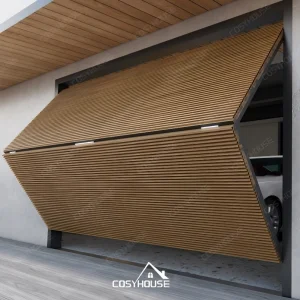
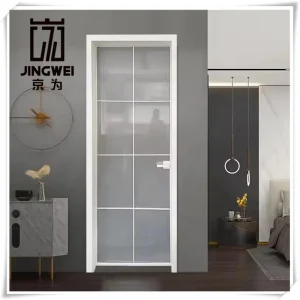
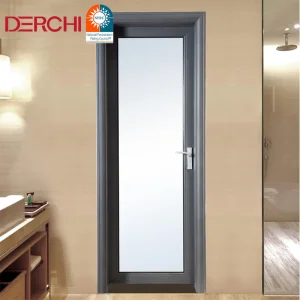
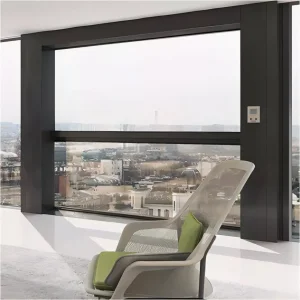
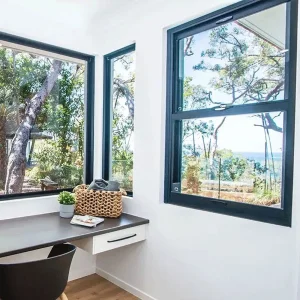
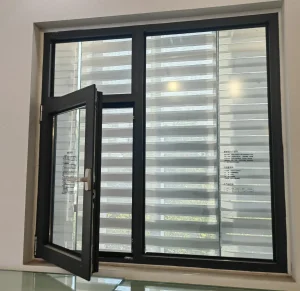
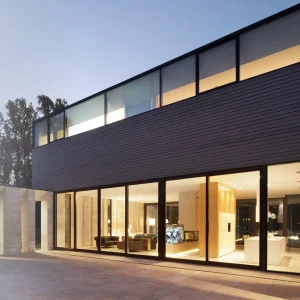
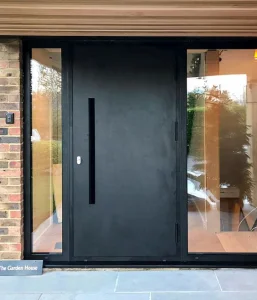
Engineered with double/triple tempered glazing, premium architectural-grade aluminum extrusions, and multi-point locking systems.
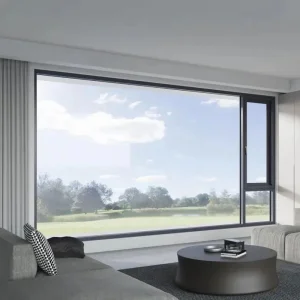
Modern commercial and residential infrastructure demands a paradigm shift in building envelope technology. No longer are fenestration units treated merely as visual portals; they are now integral structural safeguards against dynamic mechanical attacks, forced entry, acoustic leakage, and severe environmental anomalies. In high-density urban areas, commercial hubs, and private estates alike, the integration of advanced security windows has become a core standard within modern building regulations.
The global security window market is undergoing rapid evolution. Key drivers include tightening building codes regarding hurricane and seismic loading, rising demand for energy-efficient passive housing systems, and a growing emphasis on smart building automation. High-performance aluminum profiles have emerged as the industry's material of choice due to their superior strength-to-weight ratio, structural durability, and corrosion resistance compared to traditional timber or PVC framing.
By leveraging thermal break technologies—where a low-conductive polyamide barrier splits the inner and outer structural frames—architects can now achieve low U-values (thermal transmittance) without compromising the integrity of the security framework. This combination of thermal insulation, sound attenuation, and mechanical defense ensures that contemporary building envelopes fulfill ecological and structural security targets simultaneously.
Established in 2014, with manufacturing roots tracking back to 1993, Shandong Envi Doors and Windows Co., Ltd. is a dominant force in high-security fenestration engineering.
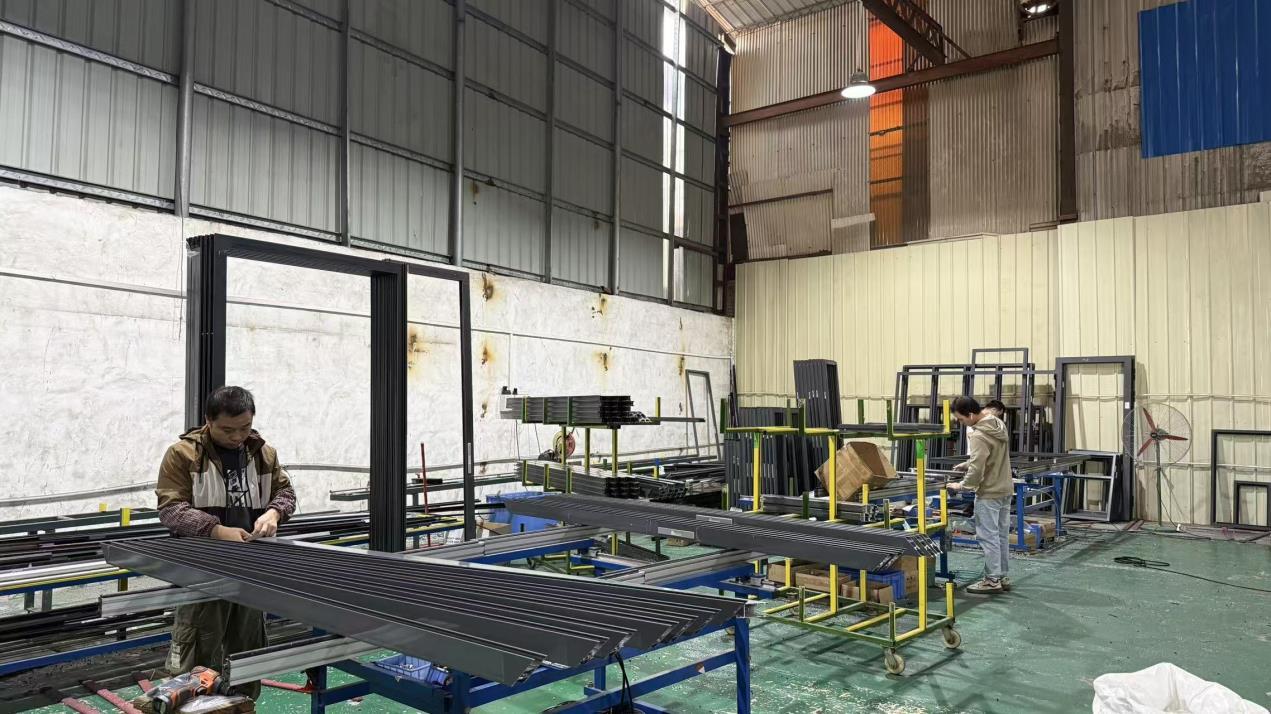
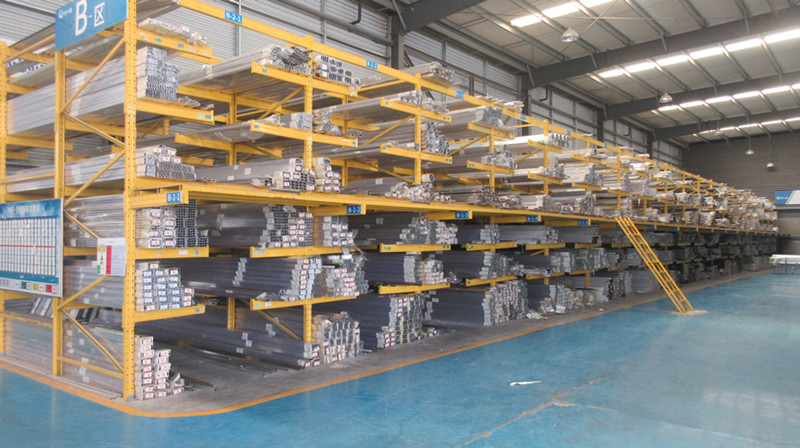
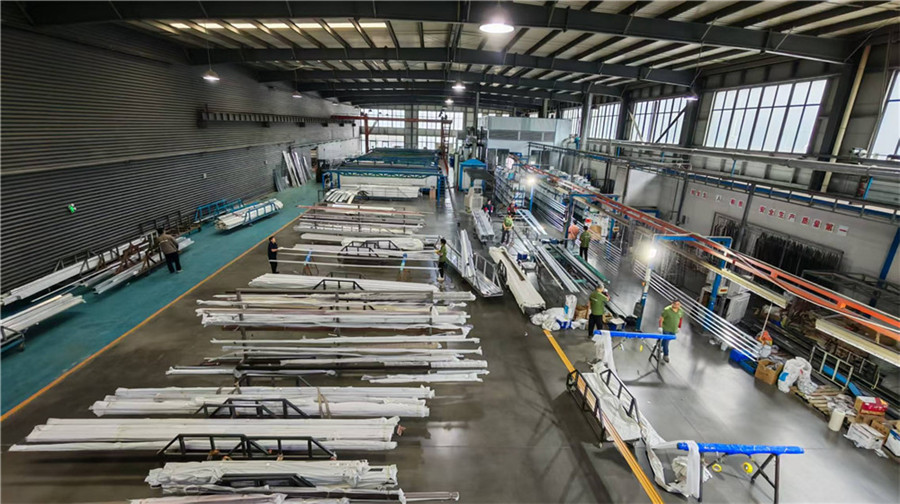
Shandong Envi Doors and Windows Co., Ltd. represents the pinnacle of Chinese manufacturing scale and efficiency. Operating from a highly automated facility spanning over 100,000 square meters, our company integrates design, alloy extrusion, surface finishing, and assembly under a singular QC umbrella. Over the past decade, we have successfully completed more than 1,500 projects across 100+ countries, delivering bespoke security systems to residential developments, civic centers, and commercial hubs.
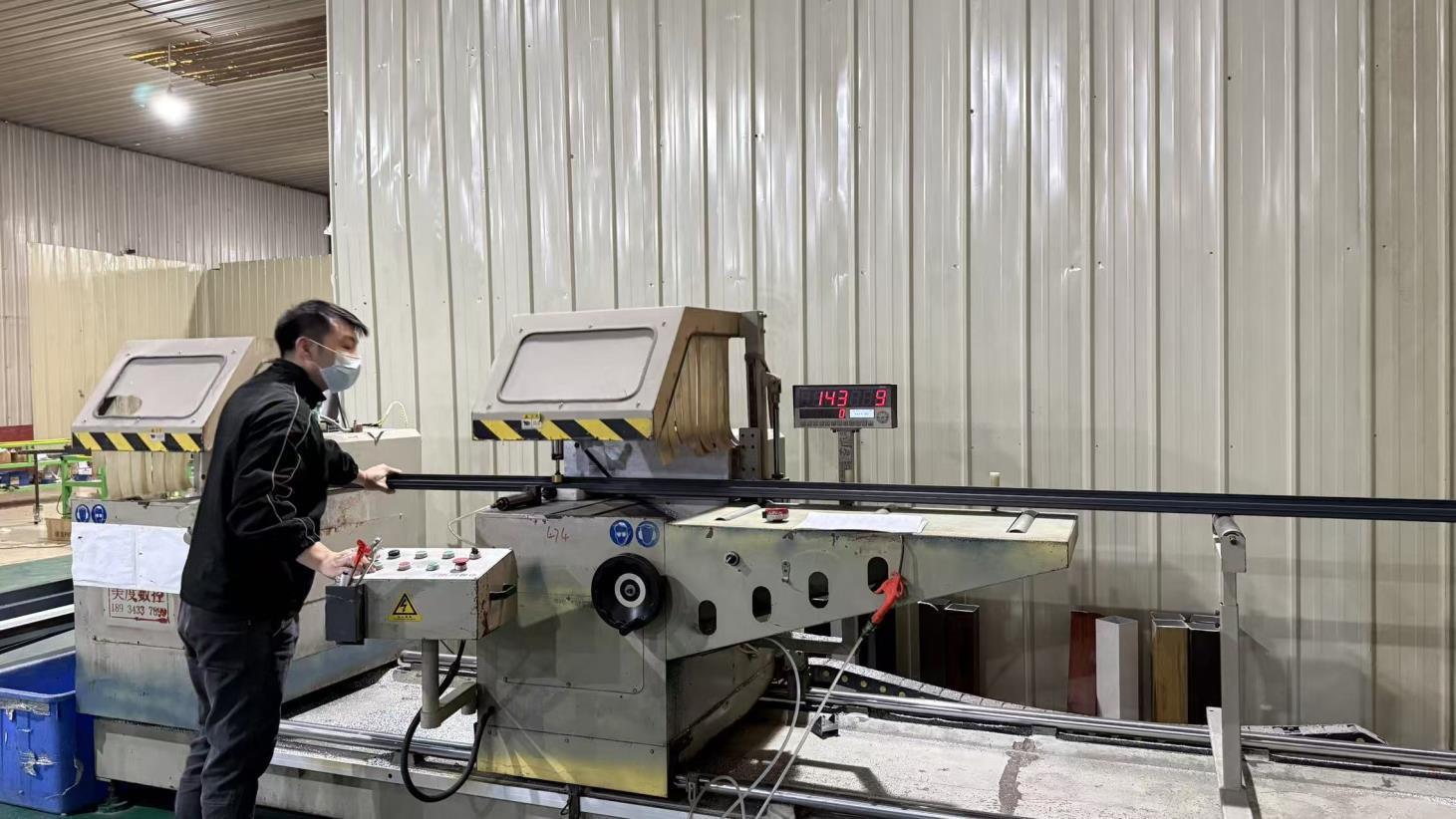
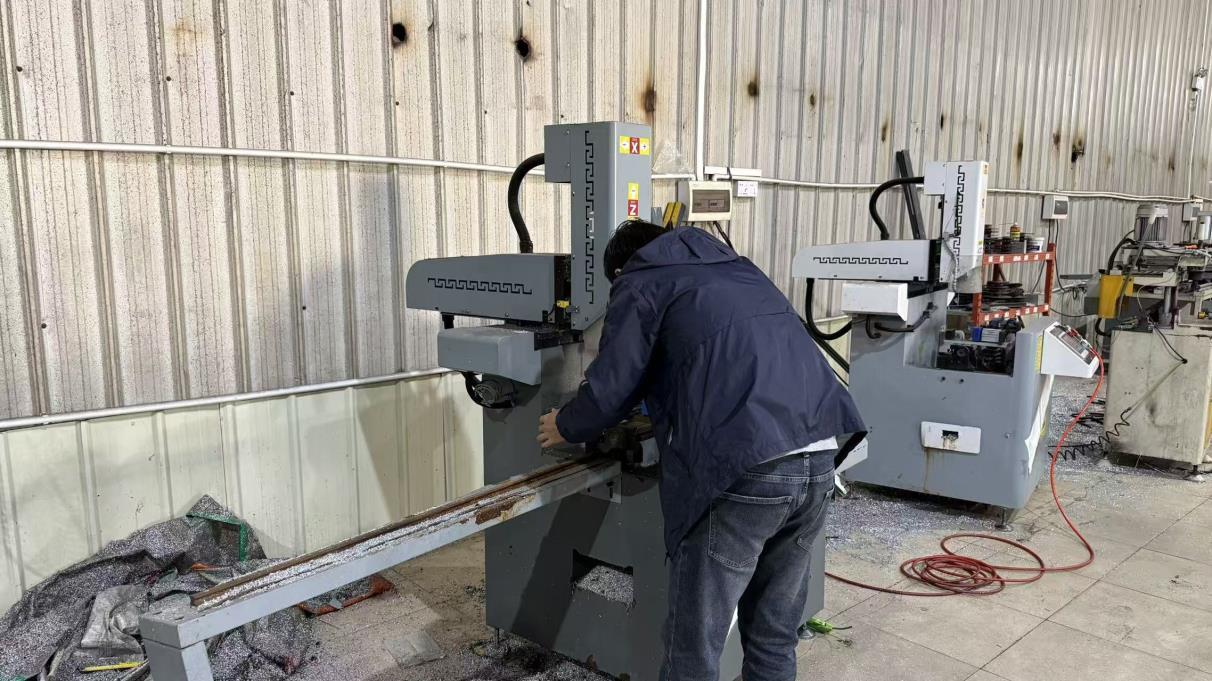
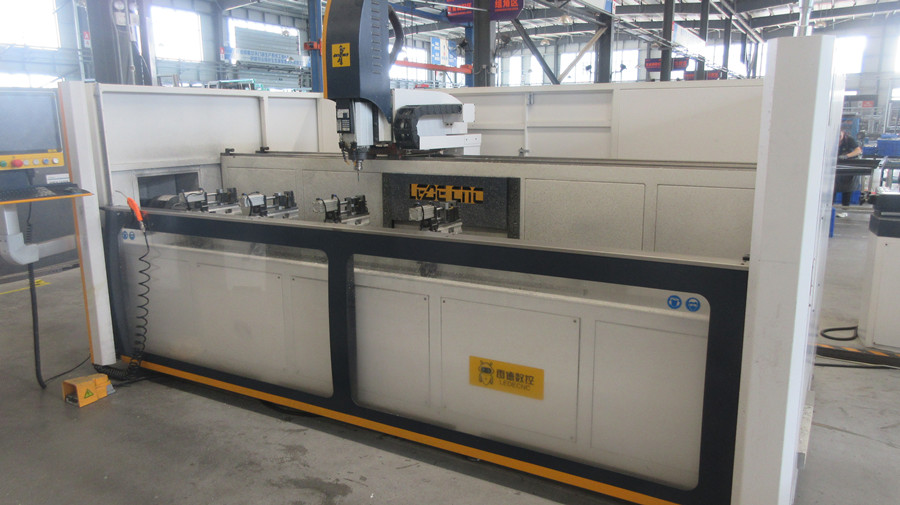
Our industrial configuration includes high-capacity extrusion lines capable of handling loads from 600 to 2,500 tons. This machinery enables the production of structural architectural profiles, industrial alloys, and high-tolerance frame profiles. By controlling the complete supply chain—from raw material melting and alloy extrusion to anodizing, powder coating, and final window glazing—we ensure our products strictly meet or exceed international standards like CE, AS2047, and NFRC.
Precision execution at every step: how we convert premium aluminum alloys into architectural security systems.
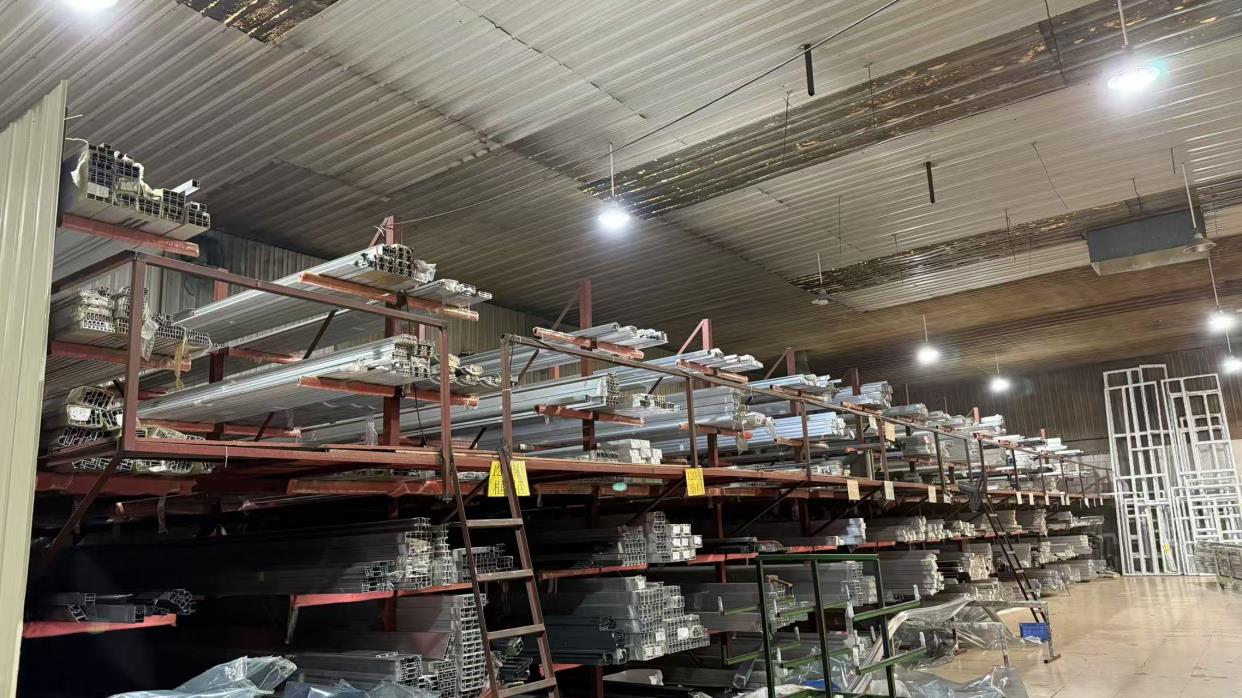
Understanding the mechanical properties, surface finish options, and thermal benefits that give our systems the competitive edge.
Every commercial development faces unique challenges. Oceanfront properties require high corrosion resistance and wind load ratings, while high-rise civic centers focus on acoustic control and safety. To satisfy these specific needs, Shandong Envi offers tailor-made structural layouts:
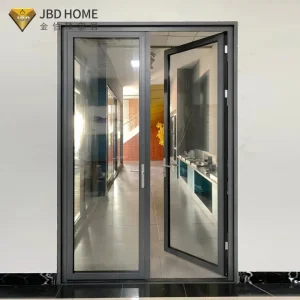
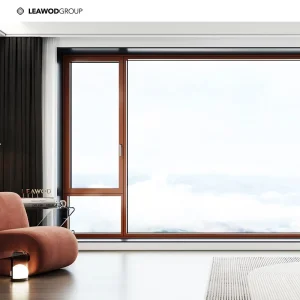
Premium solutions for main residential entryways, patio doors, and passive house window renovations.
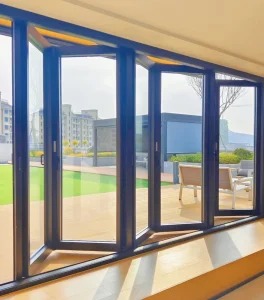
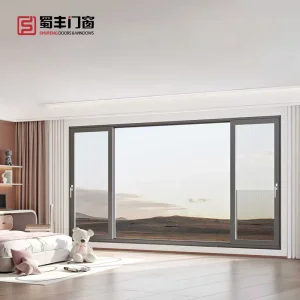
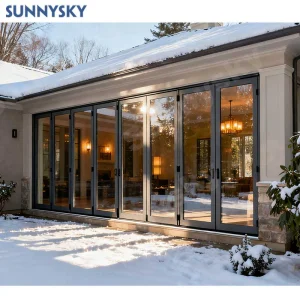
Sourcing security windows and doors internationally requires meticulous evaluation. Global project managers, architects, and estate builders must prioritize verified performance metrics rather than relying solely on cosmetic appeal. When sourcing from China, the following criteria serve as a roadmap to ensure project compliance and durability:
Ensure that the supplier utilizes 6063-T5 or 6063-T6 aluminum alloys. These structural grades provide the necessary yield strength to resist mechanical warping under wind-load and physical force. Ask for mill test reports verifying alloy compositions.
High-security applications mandate tempered, laminated glass. In high-threat areas, laminated layers using PVB (Polyvinyl Butyral) or SGP (SentryGlas Plus) interlayers prevent the glass sheet from shattering out of the frame upon impact. Ensure that glass units carry CE, SGCC, or AS/NZS certification marks.
For coastal and humid projects, standard powder coatings are insufficient. Request electrophoretic coatings or PVDF treatments. These surface coatings are tested for long-duration salt-spray resistance, preserving appearance and preventing corrosion over decades.
Addressing the technical, logistics, and material-science questions frequently raised by global developers.
 Envi Window