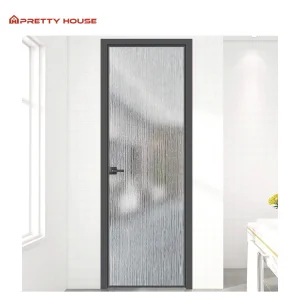
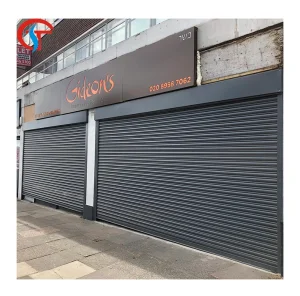
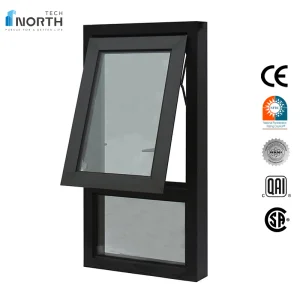
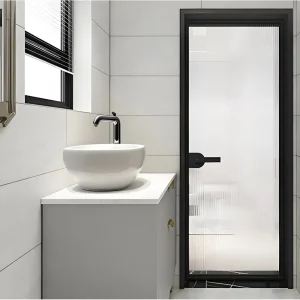
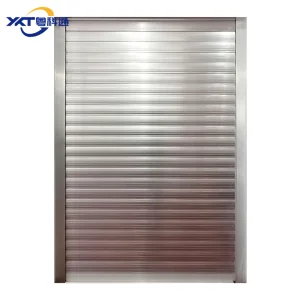
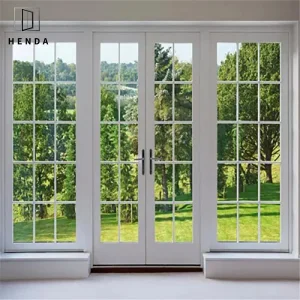
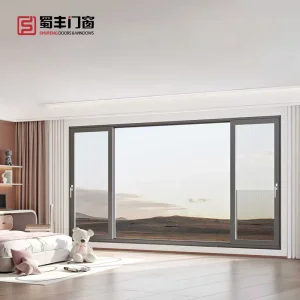
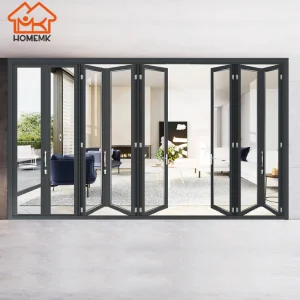
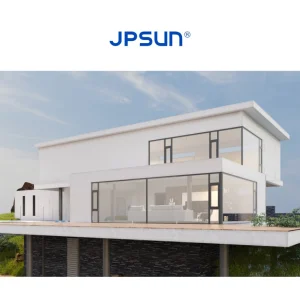
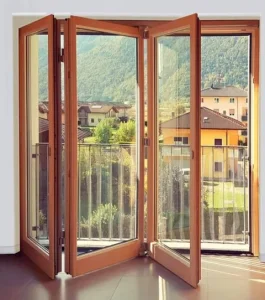
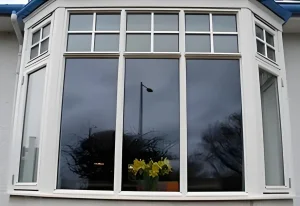
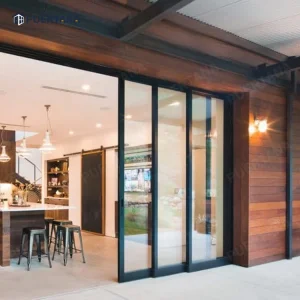
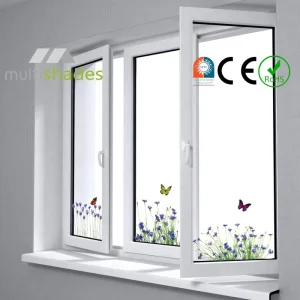
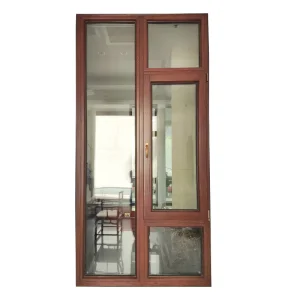
Explore our high-performance product inventory, featuring hurricane-resistant windows, thermal break doors, and secure rolling shutter systems engineered for global compliance.
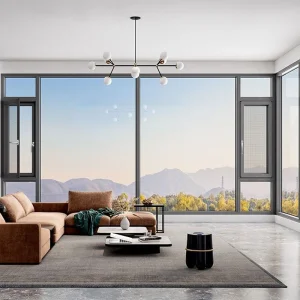
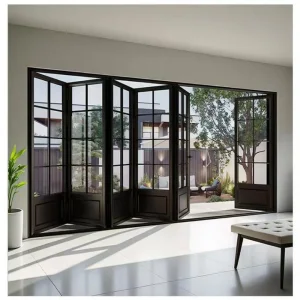
Founded originally in 1993 as a premier developer and producer of industrial and building aluminum profiles, Shandong Envi Doors and Windows Co., Ltd. (re-established in 2014) has grown into a highly specialized, comprehensive window wall and facade system enterprise. Spanning a state-of-the-art 100,000 square meter factory floor, we integrate raw material development, precision extrusion, surface treatment, and window wall system engineering under one roof.
Our infrastructure capacity yields an annual output of approximately 50,000 tons of high-grade architectural aluminum profiles, translating to an annual output value of over 1 billion Yuan. Operating with international automated hardware, we handle complex commercial OEM requirements for architectural window walls, heavy-duty curtain walls, and specialized thermal break window systems.
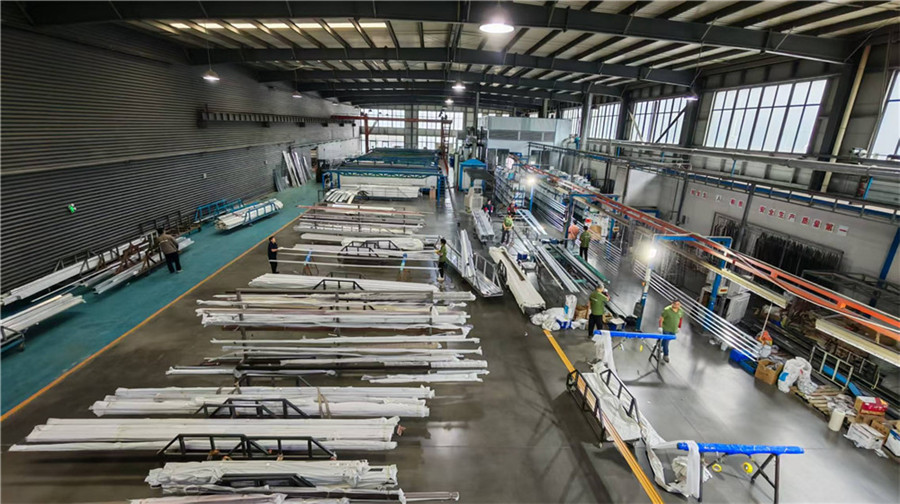
Our production facilities utilize highly automated, European-designed extrusion technology, offering unmatched structural integrity for complex projects:
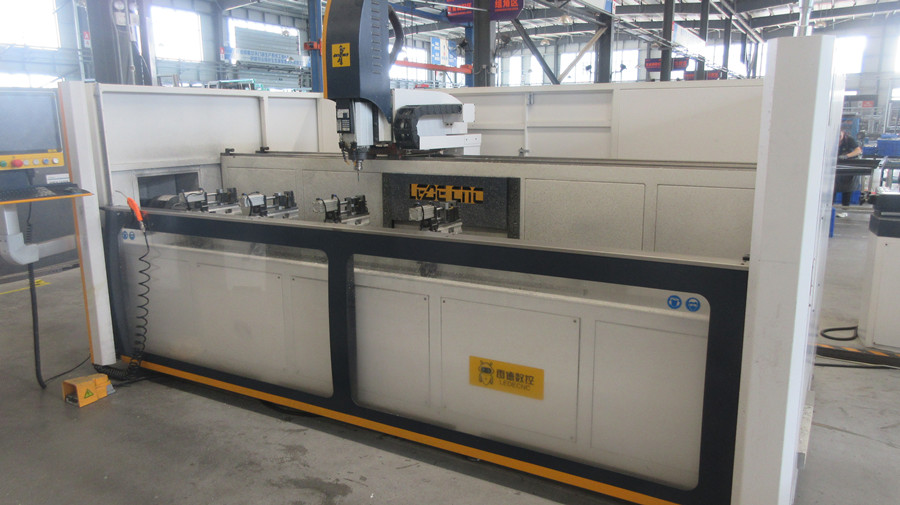
From premium billet selection to high-precision CNC machining, every stage of our OEM window wall production is monitored under strict ISO 9001 and AAMA testing standards.
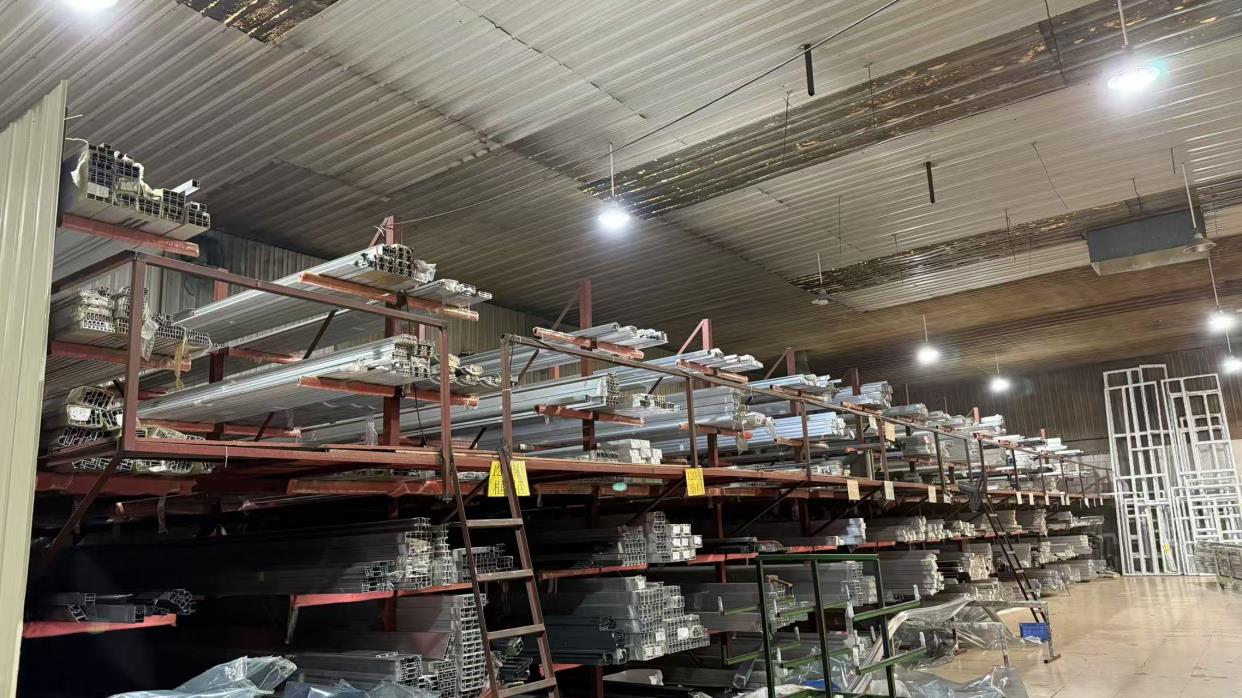
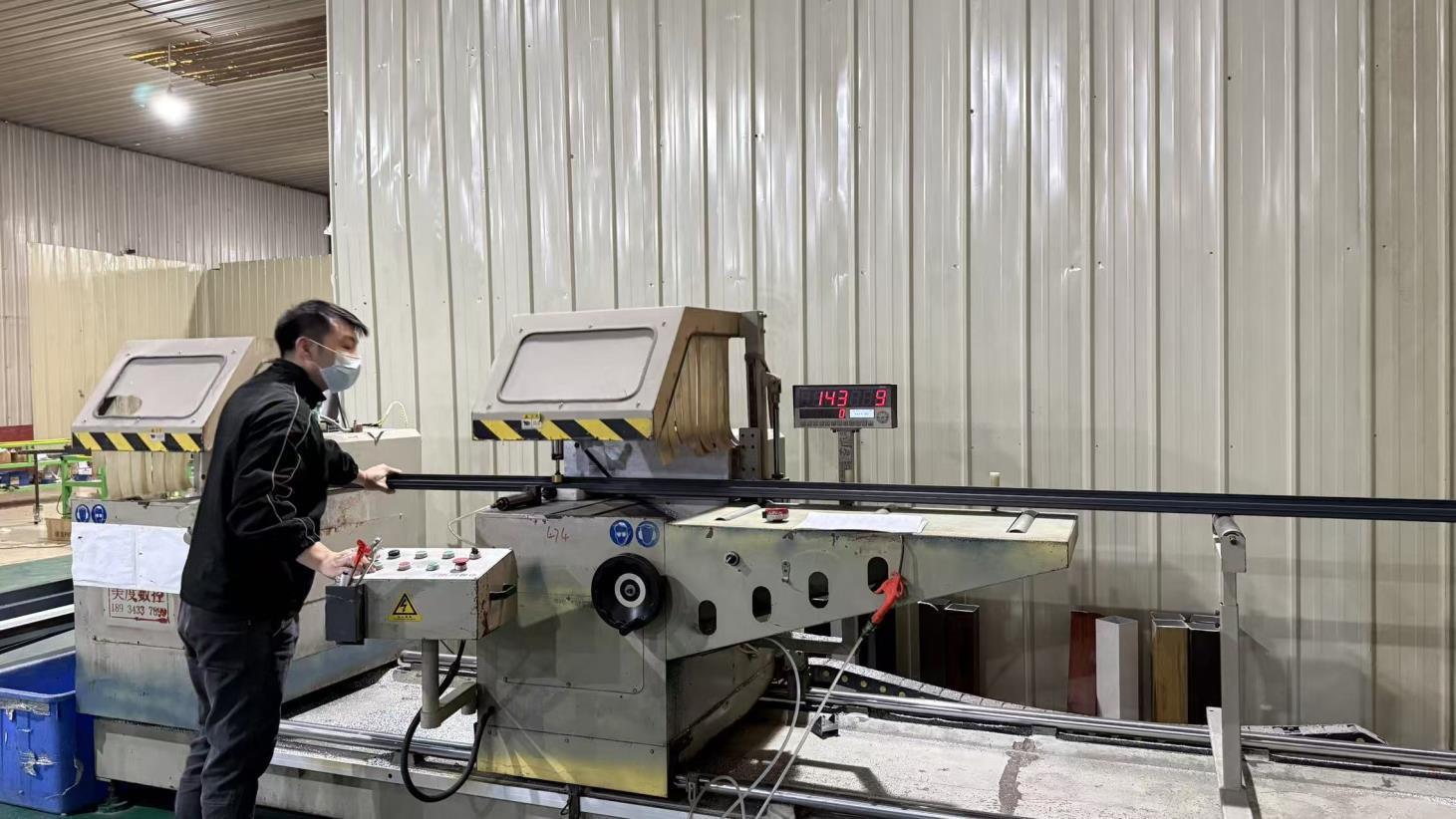
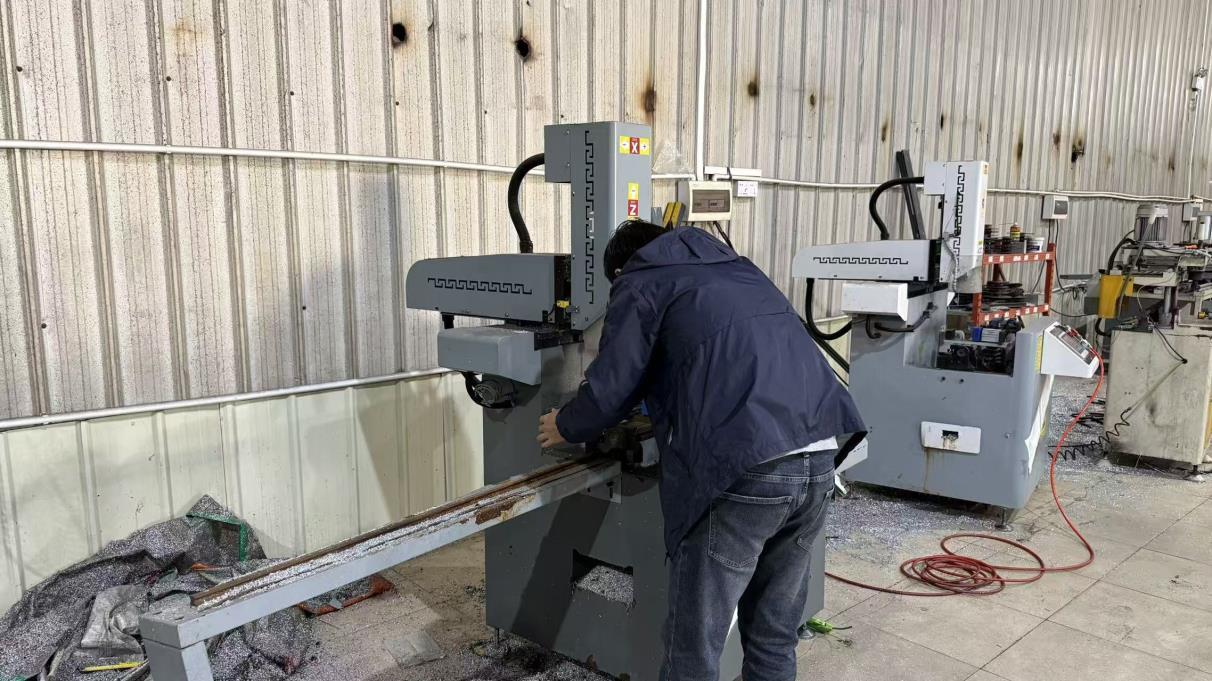
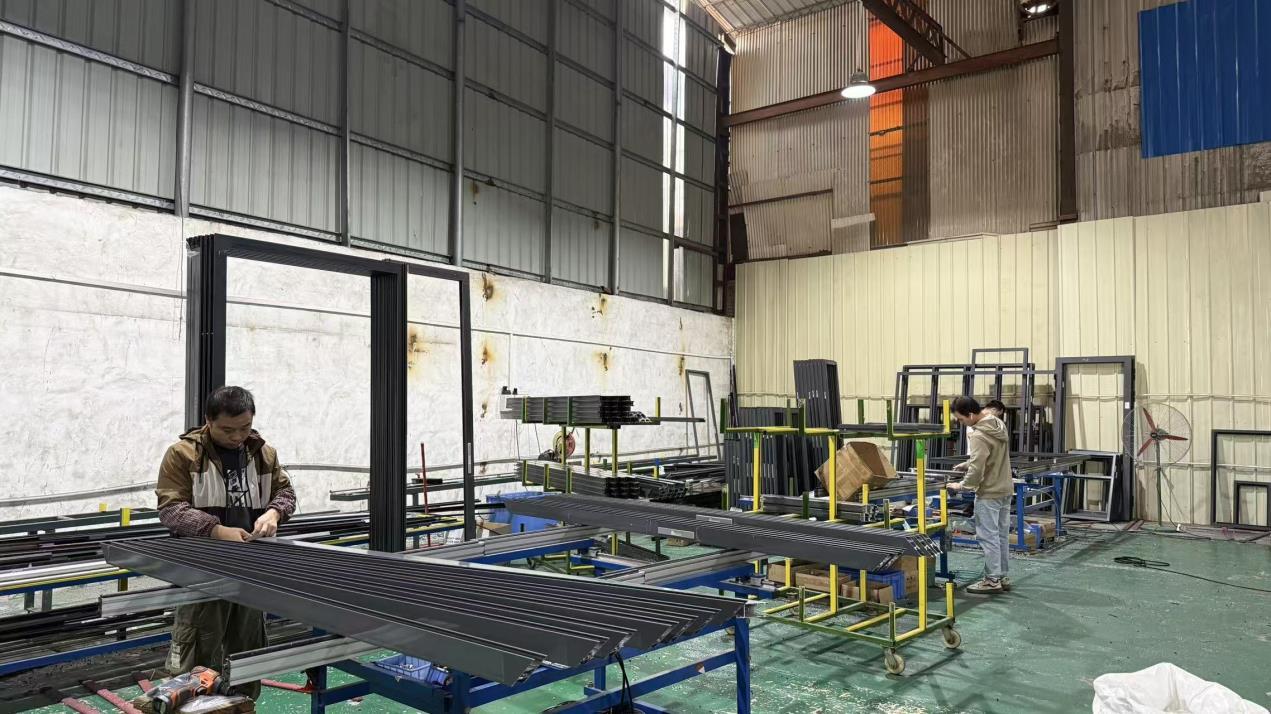
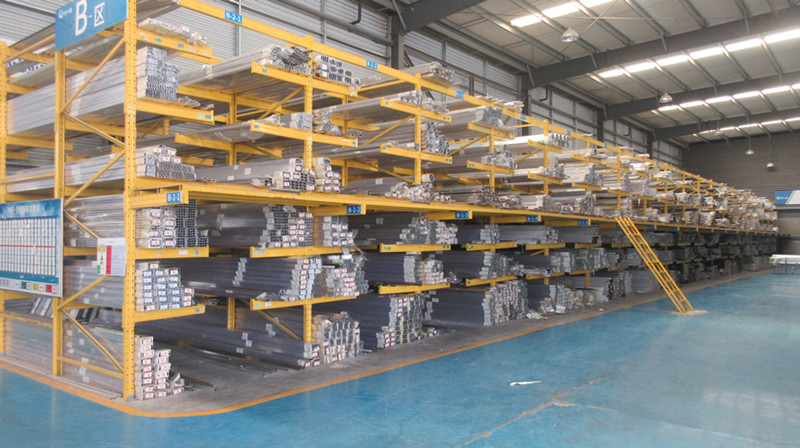
Modern building facades demand high structural capability, economic efficiency, and adaptability. As global high-density urban areas expand, selecting the correct glazing methodology is critical. While curtain walls cover the exterior of a building frame like a curtain, window walls sit between the concrete floor slabs, offering distinct structural and financial advantages.
Window walls transfer structural load directly to the building's concrete slab bypass, reducing structural loading requirements for the primary frame. Key benefits include:
We work directly with architects and developers to customize performance indicators according to climate and structure requirements:
The demand for high-performance fenestration is driven by tightening energy regulations, urban density, and the growing focus on reducing operating carbon emissions. As an established OEM factory, we address several key global challenges:
| Market Trend | Technical Challenge | Our OEM Factory Response |
|---|---|---|
| Decarbonization & ESG Commitments | Meeting lower target U-factors (<0.28 BTU/hr·ft²·°F) without increasing frame profile thickness. | Integrating high-performance structural polyamide (PA66 GF25) thermal breaks and gas-filled triple glazing. |
| Urban Sound Pollution | High sound transmission in multi-family developments near highways or airports. | Offering soundproof laminate glass assemblies reaching up to STC 45 / OITC 38 ratings. |
| Extreme Climate Resilience | High wind loads and water penetration risks in coastal and hurricane-prone zones. | Providing structurally reinforced frames verified by static and dynamic water penetration testing (AAMA 501.1). |
| Supply Chain Risk | Fluctuations in materials cost and delivery lead times holding up construction projects. | Fully vertically integrated extrusion and surface finishing to ensure consistent production schedules. |
Building codes vary significantly across regions. High-performance window walls must meet strict local engineering standards. At Shandong Envi, our products undergo verification to meet these global standards:
We test systems to meet **AAMA/WDMA/CSA 101/I.S.2/A440** requirements, ensuring high performance in wind loads, water penetration, and air infiltration. Thermal properties are rated in line with **NFRC 100/200/500** standards.
Systems comply with the **EN 14351-1** standard for windows and external pedestrian doorsets, verifying air permeability (Class 4), water tightness (Class 9A), and wind resistance (Class C5).
Designed for high-wind coastal conditions, meeting **AS 2047** and **AS 1288** standards. These configurations feature robust safety glass, heavy-duty weather seals, and anodized finishes.
As green building certifications like LEED v4.1 and BREEAM set higher standards, window walls are evolving from passive components into active, energy-saving systems. Our engineering team focuses on three main development areas:
We are refining our profile designs to integrate electrochromic glass systems, which adjust tint based on sunlight levels. This reduces heating and cooling loads without obstructing natural views.
To reduce indirect carbon footprint, we are testing bio-based polyamides for thermal barrier strips. These maintain high strength and insulating performance while reducing embodied carbon.
We are developing profiles optimized for Vacuum Insulated Glass (VIG). VIG provides the thermal insulation of thick triple glazing within a profile depth comparable to standard double glazing.
We prioritize recycled aluminum billets. By increasing post-consumer scrap content up to 75% in our profiles, we help builders meet strict environmental targets.
Find detailed engineering answers regarding structural load calculations, acoustic ratings, and lead times for OEM project planning.
Review our high-performance range, including folding patio doors, soundproof casements, and eco-friendly fixed windows.
 Envi Window