Discover our custom-engineered high-performance windows, sliding doors, and architectural glazing profiles designed for global commercial and high-end residential applications.
Unifying structural engineering, sustainable architecture, and next-generation safety standards.
In the contemporary landscape of urban infrastructure, the demand for high-performance Glass Curtain Walls has experienced exponential growth. Driven by stringent global energy efficiency regulations (such as LEED v4.1, ASHRAE 90.1, and the European Energy Performance of Buildings Directive), modern building façades are no longer merely aesthetic skins. They serve as dynamic thermal barriers, structural diaphragms, and acoustic buffers. As premium OEM/ODM manufacturers, our focus centers on integrating structural integrity with advanced thermal insulation and soundproof properties to meet the precise requirements of architects, developers, and facade contractors worldwide.
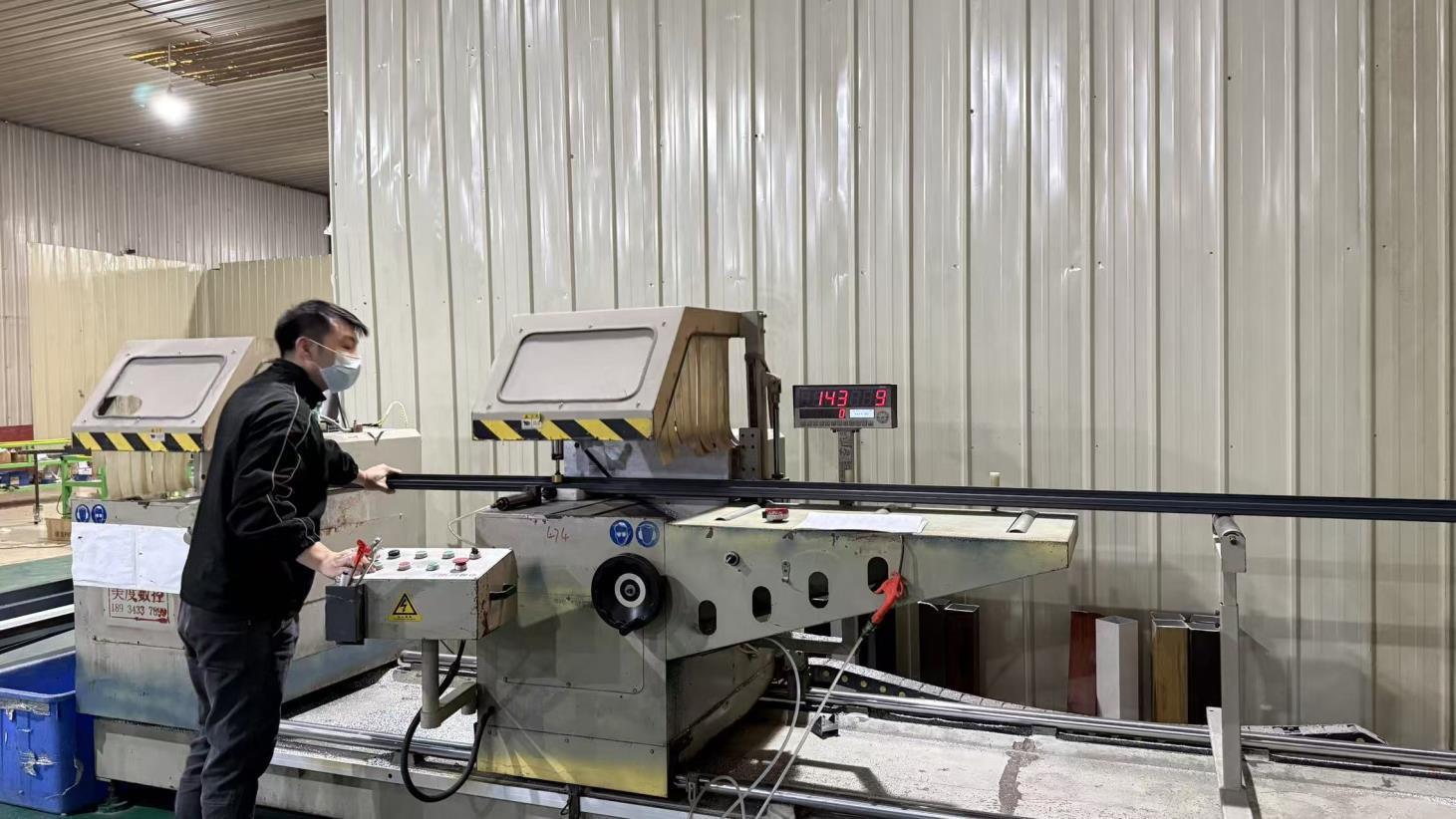
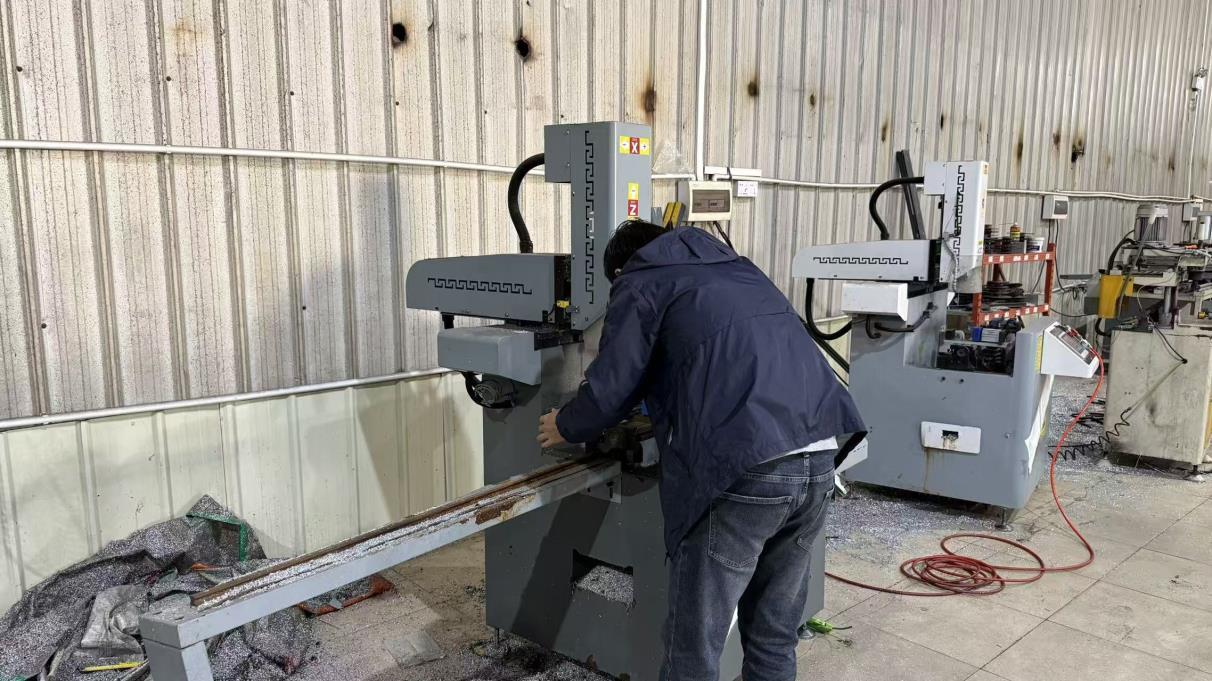
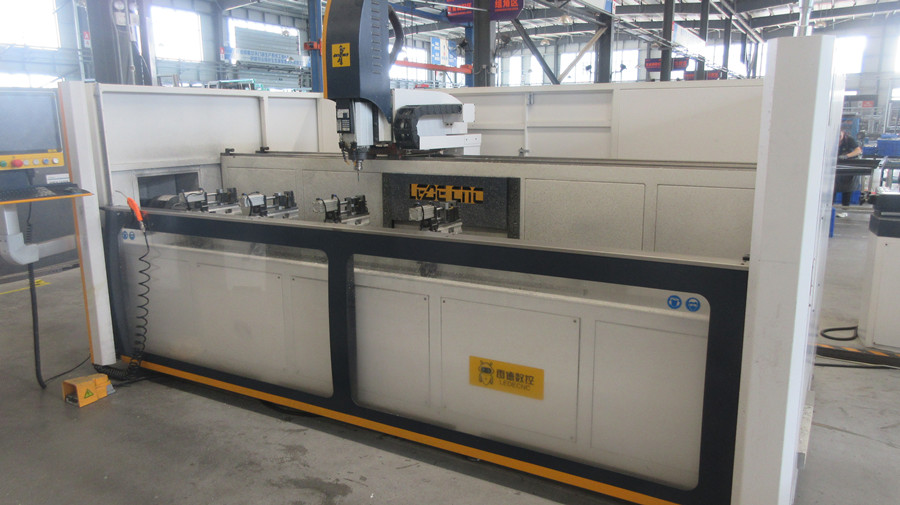
Architects are pushing the boundaries of spatial geometry with larger glazing units, double-skin configurations, and structural silicone glazing (SSG) systems. This paradigm shift requires curtain wall components—specifically extruded aluminum frames, thermal breaks, and laminated/tempered glass panels—to withstand high wind loads, seismic movements, and rapid thermal cycling. To meet these high expectations, our manufacturing lines integrate state-of-the-art aluminum extrusion, precise CNC milling, and certified assembly workflows to ensure every unitized or stick-built system conforms to international safety and thermal metrics.
Analyzing the architectural shifts shaping the future of building envelopes.
Façades are transitioning from passive envelopes into active energy generation systems. Modern OEM curtain walls now incorporate thin-film or crystalline PV elements within the glass units to offset building operating costs and achieve Net-Zero energy targets.
By adopting multi-cavity polyamide thermal breaks (PA66GF25) and argon-filled double or triple glazing with Low-E coatings, our systems minimize structural thermal bridging. This delivers optimal U-values below 1.2 W/m²K, reducing HVAC cooling and heating loads.
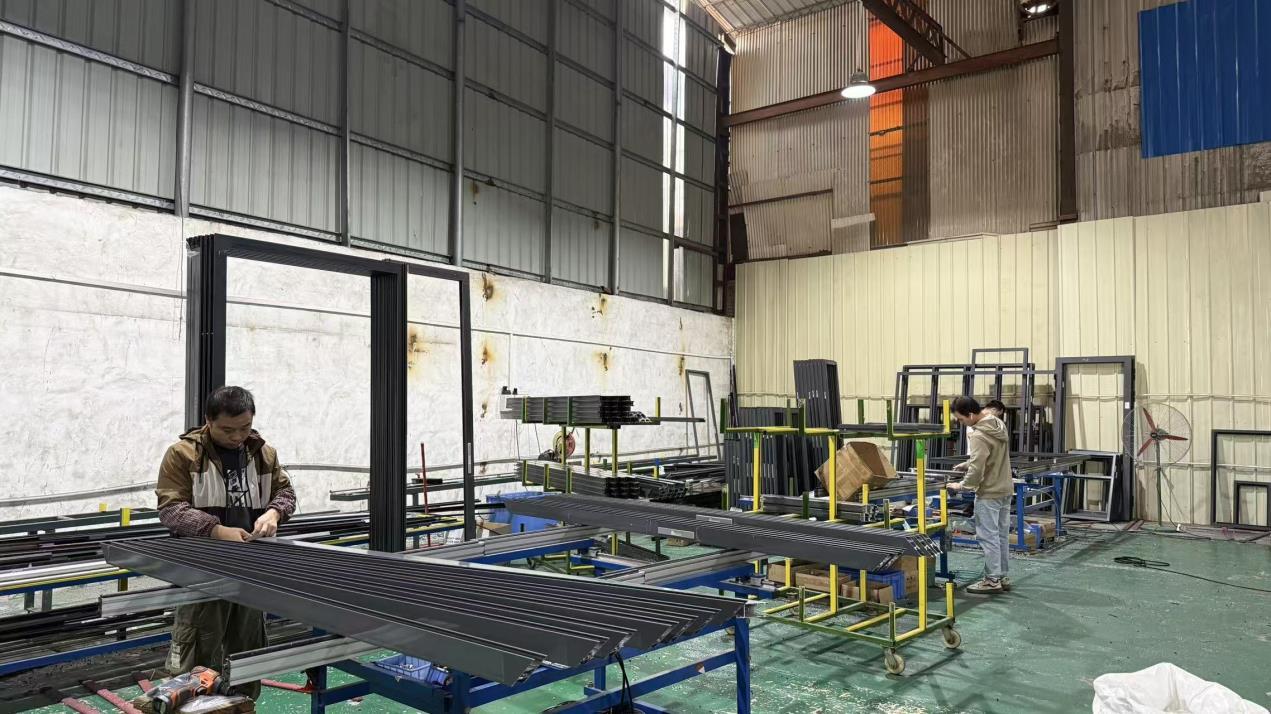
To lower on-site labor costs and accelerate installation times, the market is shifting from traditional stick systems to unitized curtain walls. Our manufacturing facility specializes in pre-assembling modules in a controlled environment to ensure consistent structural silicone adhesion.
Deep dive into Shandong Envi's high-capacity manufacturing lines and quality assurance workflow.
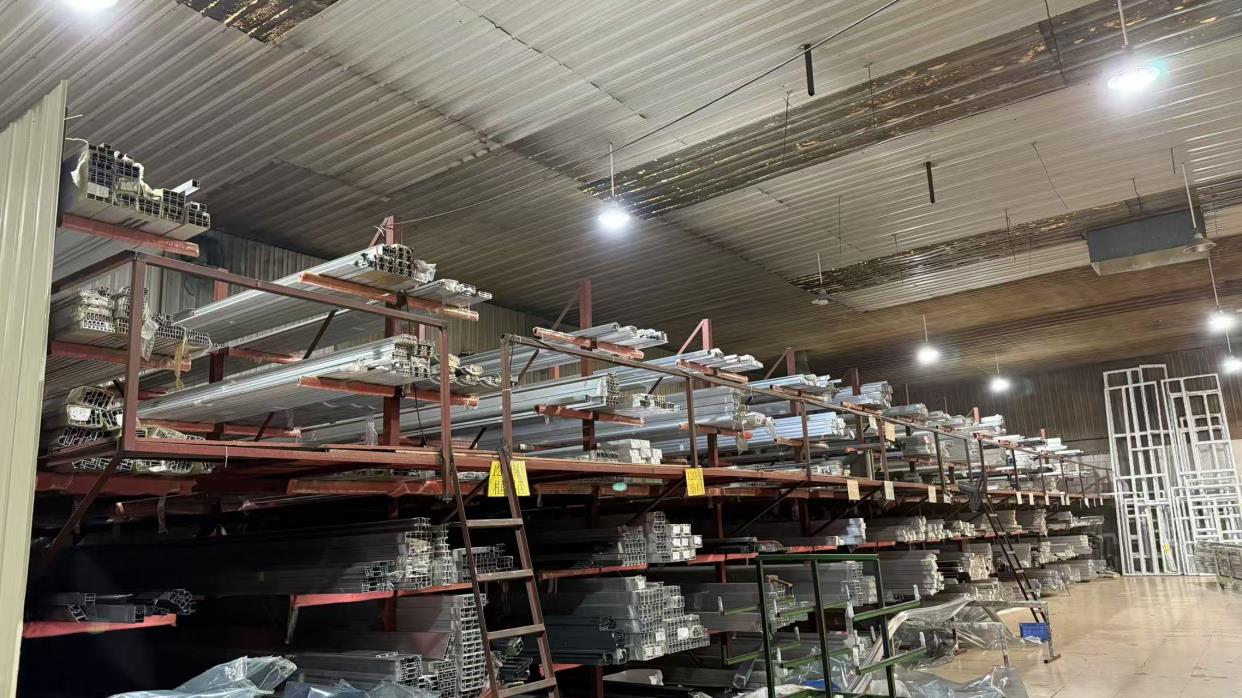
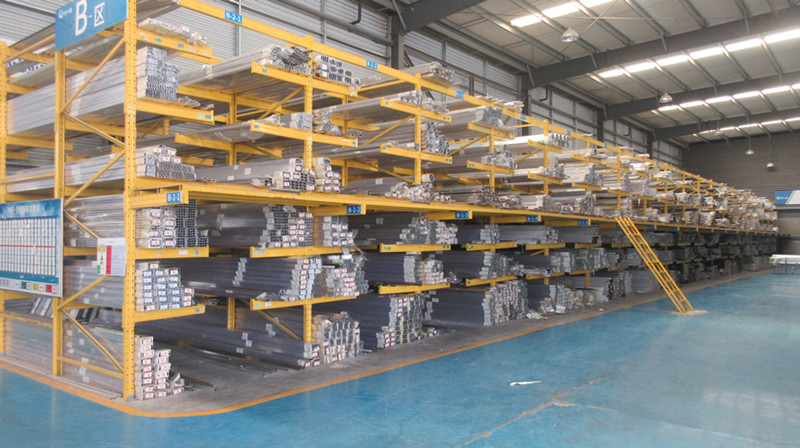
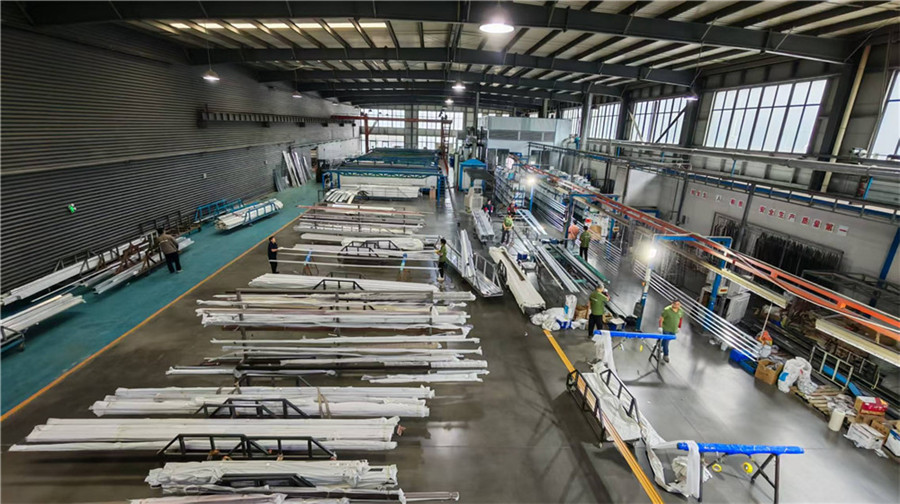
Originally established in 1993 and formally organized under Shandong Envi Doors and Windows Co., Ltd. in 2014, our operation has scaled into a leading comprehensive aluminum profile and custom fenestration enterprise. Operating from a state-of-the-art 100,000 square meter facility, we manage the entire value chain from raw billet casting to high-precision CNC machining and final structural glazing assembly. With an annual extrusion capacity of 50,000 tons and an output value reaching 1 billion yuan, our factory meets the tightest construction timelines for major commercial landmarks.
Our industrial configuration includes multiple automated extrusion lines ranging from 600 tons to 2,500 tons, two specialized anodizing lines, two electrophoretic coating lines, and a high-capacity powder coating line. For thermal barrier assemblies, we utilize advanced threading and glue-injection lines to ensure mechanical shear strength under extreme wind pressures. Our production facilities maintain rigorous quality control checkpoints, ensuring all products comply with ASTM, EN, AS/NZS, and GB standards.
Tailoring structural glazing configurations to diverse regional environments and climatic conditions.
For tropical cyclone and hurricane-prone coastal regions, we engineer reinforced structural aluminum frames paired with multi-layer PVB laminated glass. These systems comply with rigorous impact tests and high wind-load ratings (ASTM E1886/E1996), protecting building envelopes from windborne debris.
Projects in regions like Northern Europe and North America require heavy thermal insulation. We deploy multi-cavity thermal break systems, warm-edge spacers, and triple-pane low-E glass filled with 90%+ Argon gas. This effectively prevents condensation and minimizes indoor thermal radiation losses.
In hot climates, managing the Solar Heat Gain Coefficient (SHGC) is essential to control cooling costs. We design custom external solar-shading profiles, integrating reflective double-silver or triple-silver Low-E coatings to block infrared rays while maintaining high visual light transmittance (VLT).
Our commitment to carbon neutrality, circular economy, and intelligent building envelopes.
The next decade of curtain wall manufacturing will be defined by sustainable materials and intelligent technologies. Shandong Envi is actively aligning its engineering workflows with the following goals:
Integrated engineering from schematic design support to complete site logistics and installation guidance.
Using finite element analysis (FEA), our engineering team performs structural calculations for glass thickness, mullion inertia, and bracket connections. This ensures compliance with local structural building codes and seismic displacement limits.
We design and supply multi-tiered EPDM gasket configurations to deliver high performance across air infiltration (ASTM E283), water penetration (ASTM E331), and acoustic attenuation (reaching Sound Transmission Class STC ratings of up to 45dB).
To streamline on-site handling, we utilize custom steel glass racks and sequence container loading to align with on-site installation schedules. This protects the glazed units during ocean freight and minimizes site storage requirements.
Addressing standard technical queries from architects, structural engineers, and commercial procurement departments.
Explore our line of high-load-bearing, storm-resistant, and premium thermal break systems designed for severe weather environments.
 Envi Window