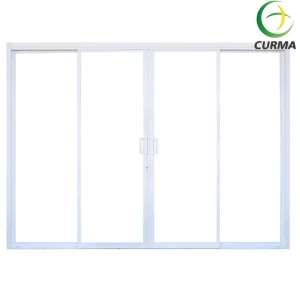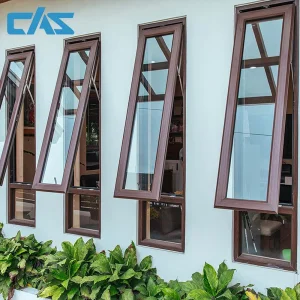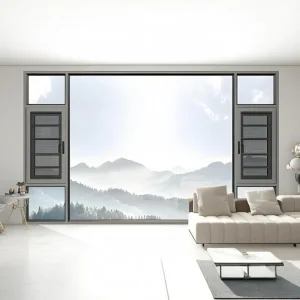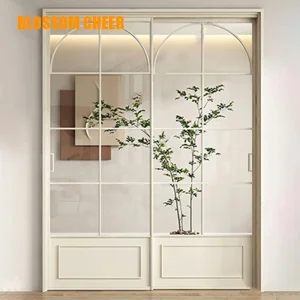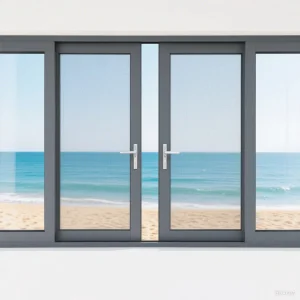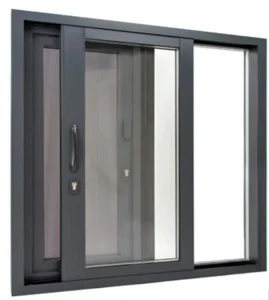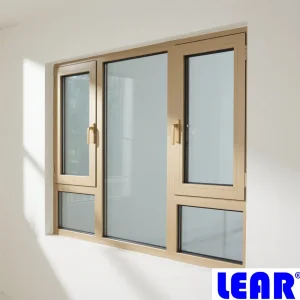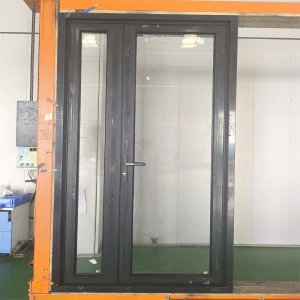
In modern commercial architecture and residential building envelopes, window screens and their corresponding framing systems have evolved far beyond basic barrier functions. Today, they constitute a pivotal subsystem that controls wind loads, minimizes solar heat gain coefficients (SHGC), and regulates micro-ventilation, all while acting as the primary defense against pests and debris.
For international project managers, developers, and corporate procurement agents, source-selecting the optimal window screen assemblies involves analyzing materials, weaving tolerances, tensile strengths, and frame alloy integrity. Selecting the right window screen material and engineering specification is not just an aesthetic consideration—it directly impacts building energy models, LEED point systems, and structural compliance in cyclone-prone or highly corrosive coastal zones.
A window screen system should not be sourced as an afterthought. Integrated design solutions that marry high-tensile mesh (such as marine-grade stainless steel 316) with thermal break aluminum frames drastically cut lifecycle maintenance expenses and prevent premature failure under high-wind conditions.
Established in 2014, Shandong Envi Doors and Windows Co., Ltd. represents the premium integration of architectural research, structural engineering, and massive vertical manufacturing capacity. However, our industrial root extends back to 1993, when our founding organization commenced operations in raw aluminum profile processing. Over thirty years of continuous investment, engineering development, and tooling optimization have positioned us as a premier industrial entity.
Operating within a sprawling 100,000 square meter high-tech manufacturing park, Shandong Envi integrates advanced extrusion lines, surface treatment systems, and CNC machining stations. Our annual designed production capacity of premium aluminum building and decorative profiles stands at 50,000 metric tons, generating a yearly industrial output value exceeding 1 billion RMB. We cater to complex custom requirements, structural specifications, and localized building codes through our dedicated door, window, and screen structural division.
The factory features a broad assortment of precision machinery, including multiple extrusion presses ranging from 600 tons to 2,500 tons of capacity. This enables us to extrude intricate, heavy-gauge, thermal-break structures and structural screen frame components. Additionally, our automated finishing infrastructure features two electrophoretic coating lines, two anodizing lines, a specialized 1,000-ton horizontal electrostatic powder coating facility, thermal-break nylon strip assembly systems, and simulated wood-grain vacuum transfer machines. In our state-of-the-art Yalian manufacturing hall, we process aluminum profiles into certified window screen systems and structural glazing solutions.
Our integrated supply chain guarantees absolute consistency. Every stage of manufacturing, from billet alloy inspection to multi-axis CNC milling, is executed under strict ISO 9001 protocols.
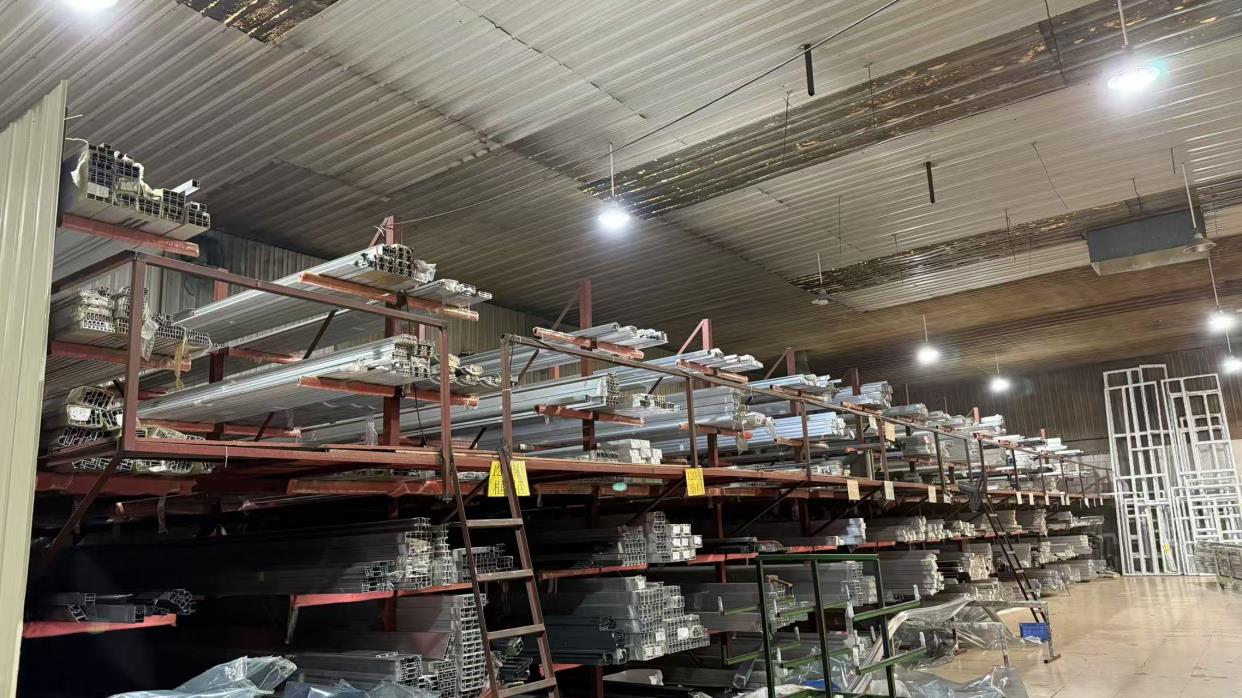
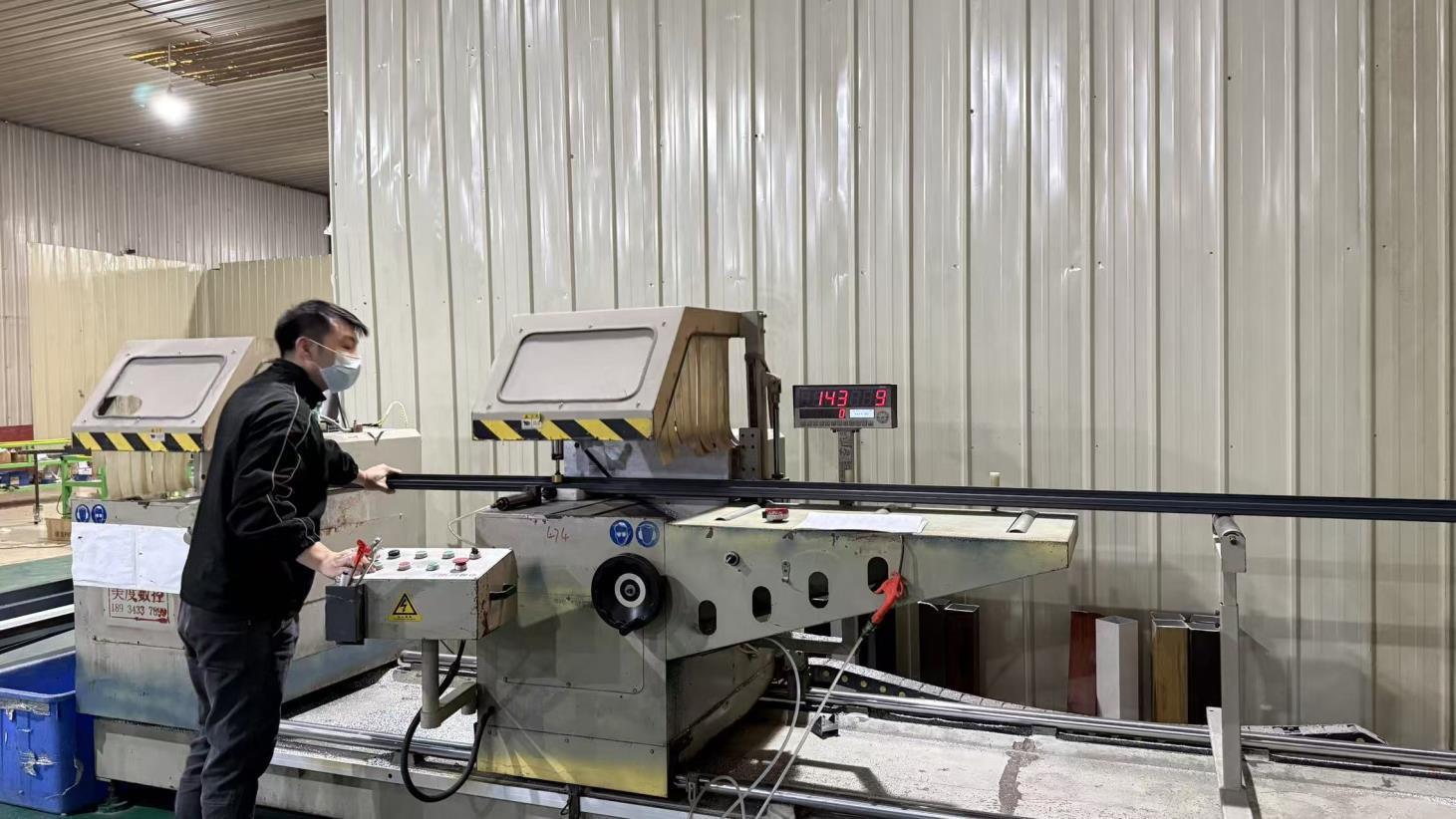
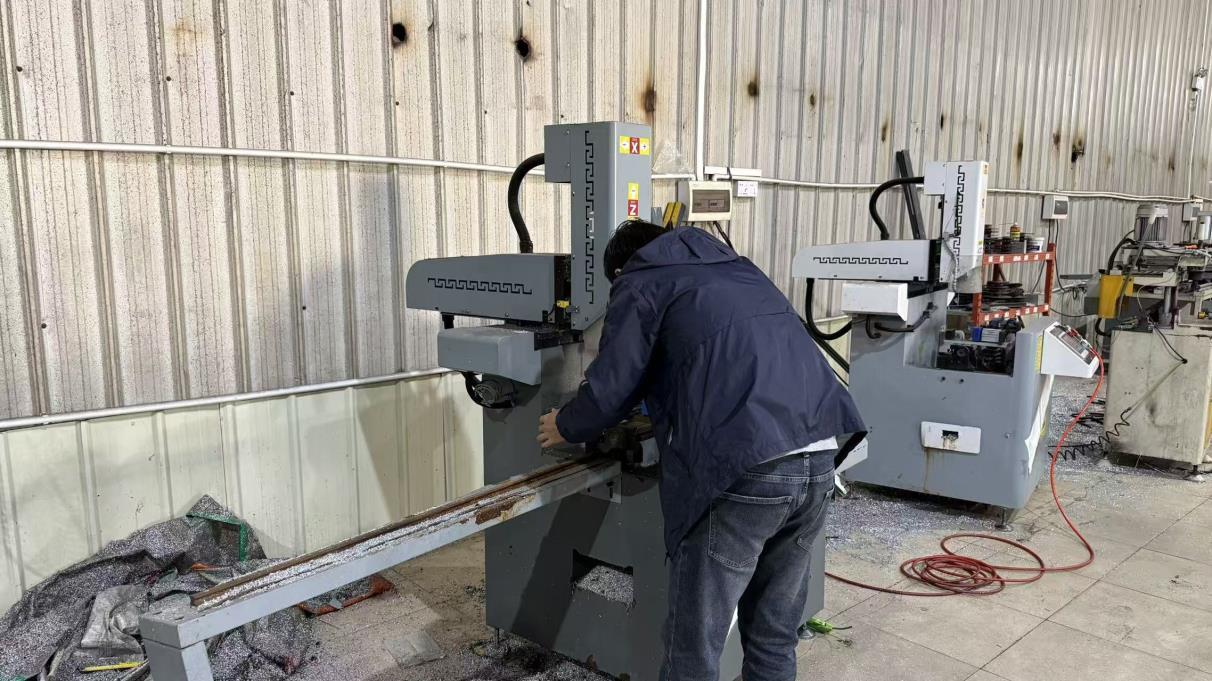
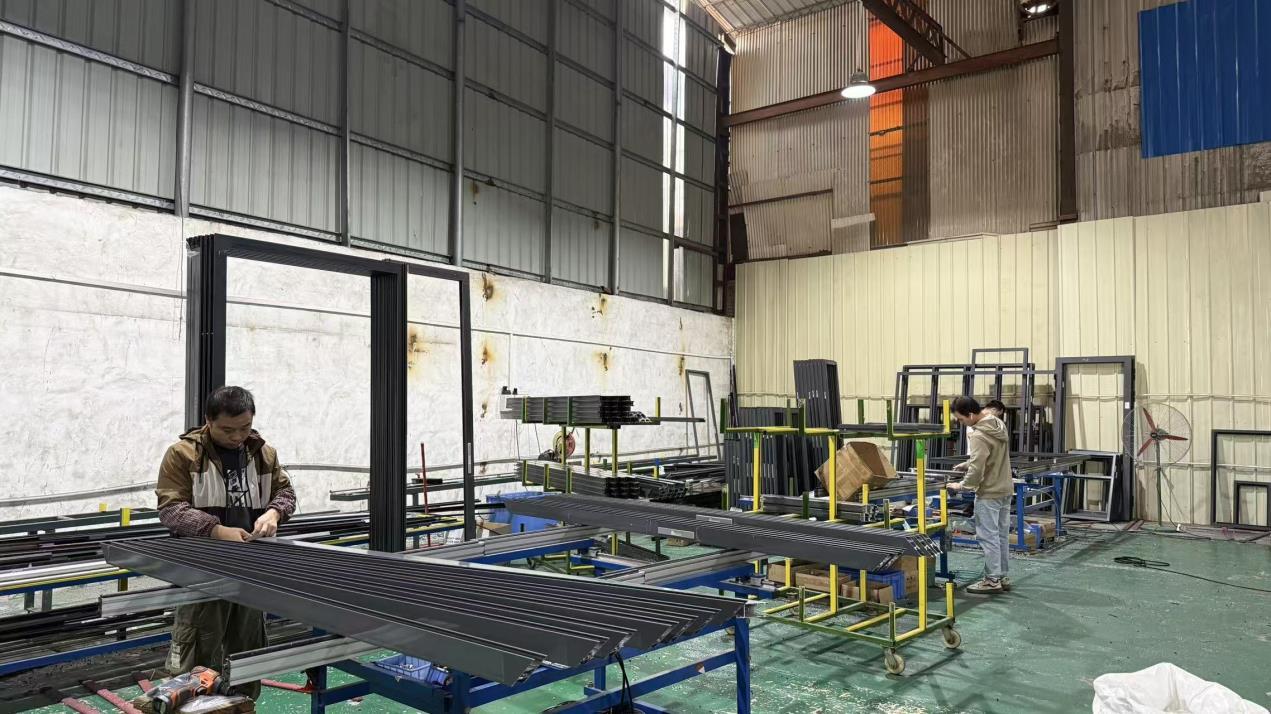
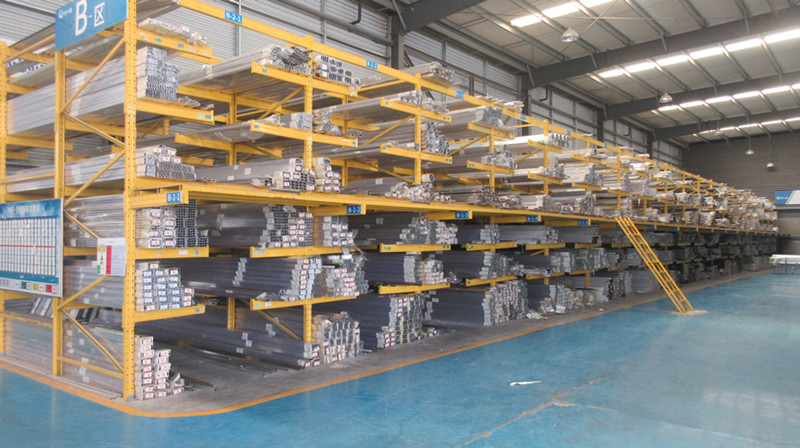
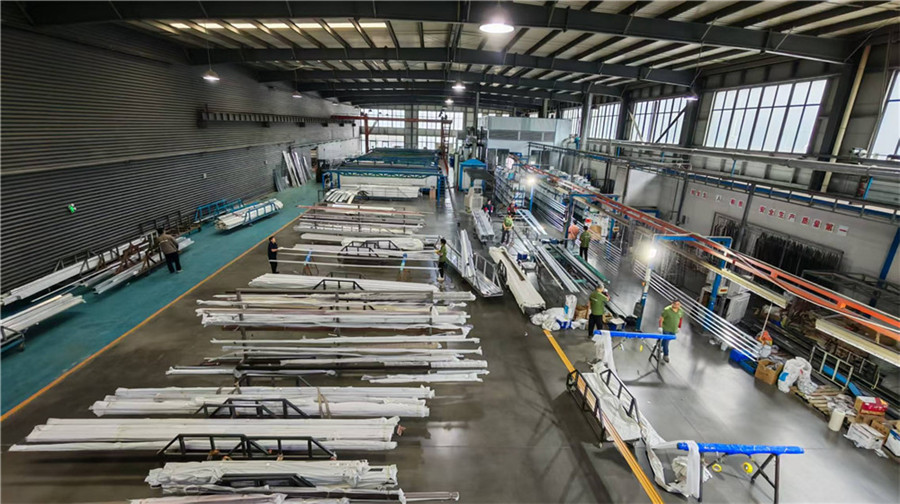
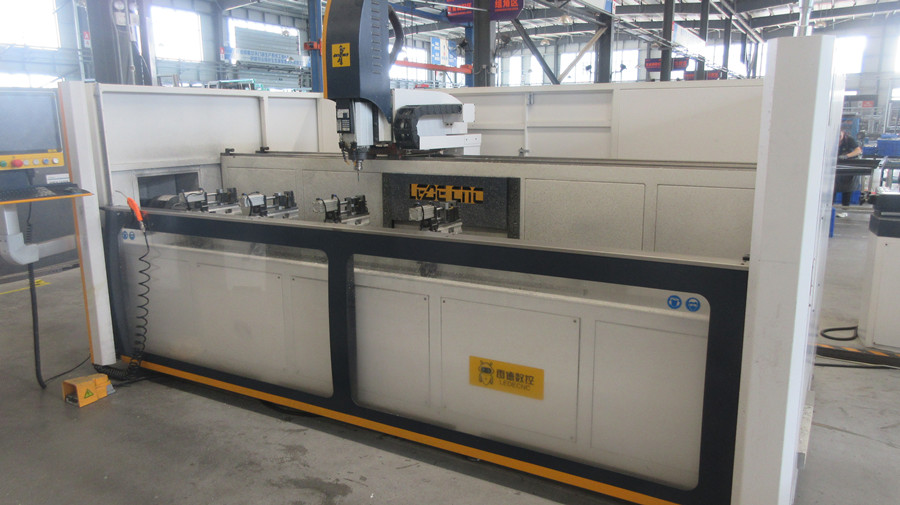
Sourcing premium window screen frames and mesh configurations from specialized Chinese exporters like Shandong Envi presents substantial financial and technical advantages. This process is driven by regional supply chain integration, technological clusters, and unmatched economies of scale.
A main challenge facing international construction and window contractors is the strict variation in local building regulations. A product built to Chinese local standards will not automatically pass inspection in North America, Europe, or Australia. At Shandong Envi, we solve this gap by applying custom localized design modifications to match specific performance parameters:
Our window and screen assemblies can be manufactured to conform to AAMA certifications, ensuring structural wind resistance under severe pressures. For residential and commercial high-rises, we integrate fiberglass meshes that exhibit high resistance to UV radiation and ozone aging. In coastal project areas (such as Florida or the Gulf Coast), we deploy impact-rated screens and structural aluminum profiles that withstand strict projectile tests under ASTM E1886 and ASTM E1996.
Our products destined for the European market comply with EN 14351-1, verifying their mechanical stability, air permeability, water tightness, and structural wind resistance. We supply German Technobond PA66/GF25 nylon fiberglass thermal breaks to restrict heat transfer coefficients, helping projects satisfy strict local European Union carbon offset goals and U-value parameters.
For oceanfront locations in Australia and the Pacific Islands, we integrate high-tensile 316 marine-grade stainless steel security screens. These systems are rigorously tested to resist dynamic impact, mechanical shearing, knife shear tests (under AS 5041), and long-term salt spray exposure tests (under AS 2331).
The durability of a window screen assembly depends on selecting the right combination of frame alloy and mesh. At Shandong Envi, we assist B2B procurement partners in matching materials to project environments:
We utilize prime extrusion billets of Alloy 6063-T5 and 6063-T6. These alloys represent the gold standard for architectural trim, doors, windows, and screen frames due to their excellent surface finish qualities, ease of anodizing, and superior structural load-bearing parameters. T6 temper frames are deployed where high wind loads demand maximum yield strength.
As building envelopes become smarter and more interactive, the window screen and frame industry is undergoing a digital and environmental transformation. Shandong Envi is at the forefront of these transitions:
High-end residential projects increasingly demand minimalist, flush-mounted screen configurations. We are designing profile systems that conceal rolled screen cassettes directly within the wall cavity or window frame rebate. These systems can be integrated with home automation controllers to roll down based on solar tracking or humidity sensors.
To assist global contractors in qualifying for LEED Gold and Platinum certifications, our finishing facility utilizes chromate-free pre-treatment and VOC-free powder coatings. We are continuously optimizing the thermal resistance profiles of our systems to reduce structural HVAC thermal bridging.
Our technical team answers common questions from structural engineers, project managers, and international distributors regarding customization, shipping, and certifications.
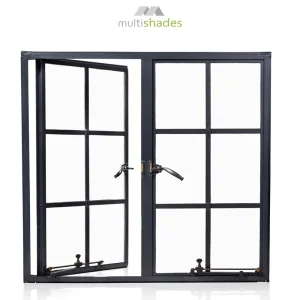
 Envi Window