High-integrity aluminum sliding systems optimized for architectural developers in Windhoek, Walvis Bay, Swakopmund, and broader Namibia.
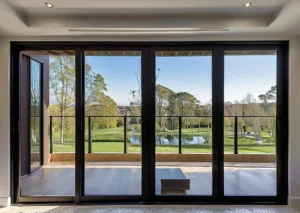
Namibia's regional geography presents one of the most demanding environmental climates globally for exterior architectural glass and aluminum installations. Projects constructed within the central high plateau of Windhoek experience extreme UV irradiation indexes, coupled with daily thermal shifts reaching up to 35°C. Concurrently, coastal expansion projects across Swakopmund, Walvis Bay, and Henties Bay face severe atmospheric salinity—specifically salt spray and coastal fog containing highly corrosive sulfuric complexes generated by marine biotas.
Historically, local builders relied on lower-grade residential aluminum configurations that quickly failed under coastal shear winds or degraded in UV stability, causing profile discoloration, seal disintegration, and operational mechanical failure. Today, Namibia's commercial developers and residential architects mandate higher-performance fenestration. Systems must incorporate premium alloys (Al-Mg-Si 6063 series temper T5 or T6), coupled with advanced surface protection technology, including architectural powder coatings conforming to Qualicoat Class 2 / Class 3 standards, or deep anodizing exceeding 25 microns for coastal corrosion mitigation.
As structural wind load specifications (conforming to regional SANS 10400 building standards) become more strictly enforced, local developers are moving toward direct-from-factory procurement models. This shift secures heavy-duty, double-glazed thermal break aluminum sliding door structures directly from global scale-manufacturers capable of providing verified performance datasheets.
Shandong Envi Doors and Windows Co., Ltd. — Seamless B2B Direct Integration
Established in 2014 with foundational roots stretching back to 1993, Shandong Envi Doors and Windows Co., Ltd. has evolved into a global leader in high-end architectural aluminum fenestration. Operating from a massive 100,000 square meter advanced production facility in China, we manage a vertically integrated supply ecosystem. From raw billet alloy extrusion to state-of-the-art automated assembly, our infrastructure handles an annual designed profile throughput of 50,000 metric tons, generating a corresponding output value exceeding 1 billion RMB.
Our heavy industrial capacity utilizes a spectrum of advanced extrusion machinery from 600 tons up to 2500 tons pressure ratings, allowing for the fabrication of complex, high-span sliding door profiles with wall thicknesses that exceed standard global specifications. To meet the diverse aesthetic and protective requirements of global markets, we operate dual computerized anodizing tracks, automated horizontal powder coating systems, and high-fidelity wood-grain sublimation lines. For over a decade, we have exported customized structural solutions, satisfying rigorous commercial, industrial, and high-end residential projects in over 100 countries.
Every step in our fabrication line utilizes computerized numerical control (CNC) technology to ensure zero-tolerance accuracy during assembly.
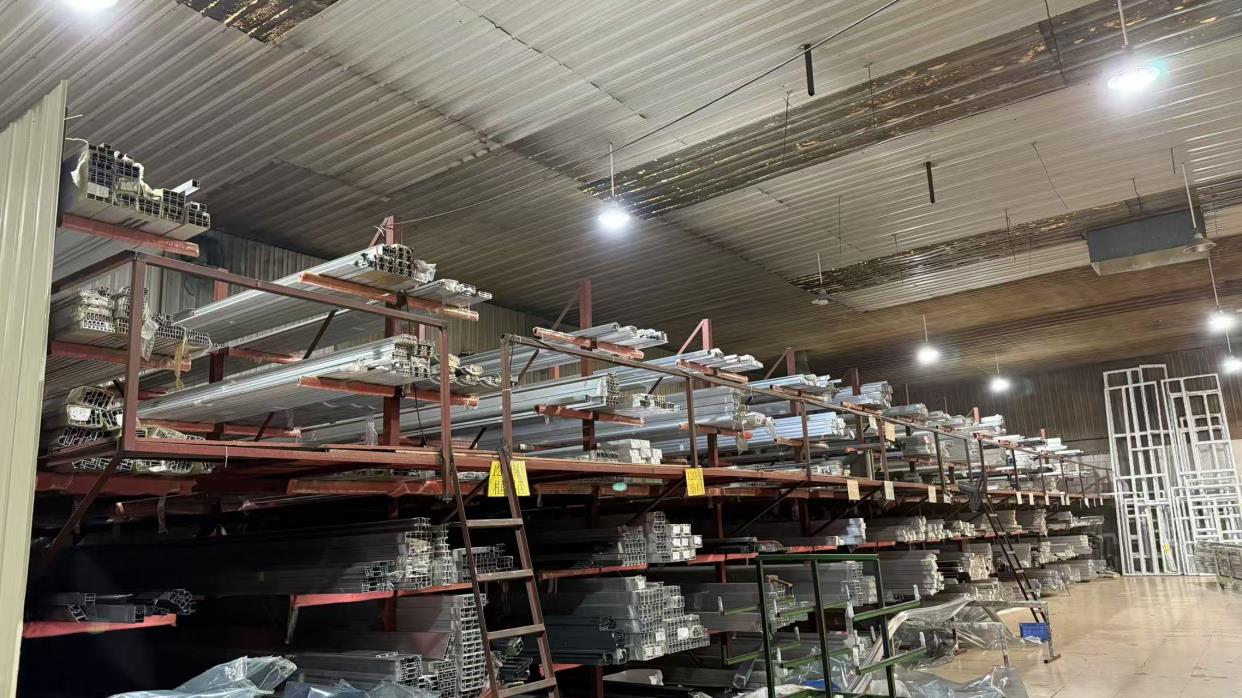
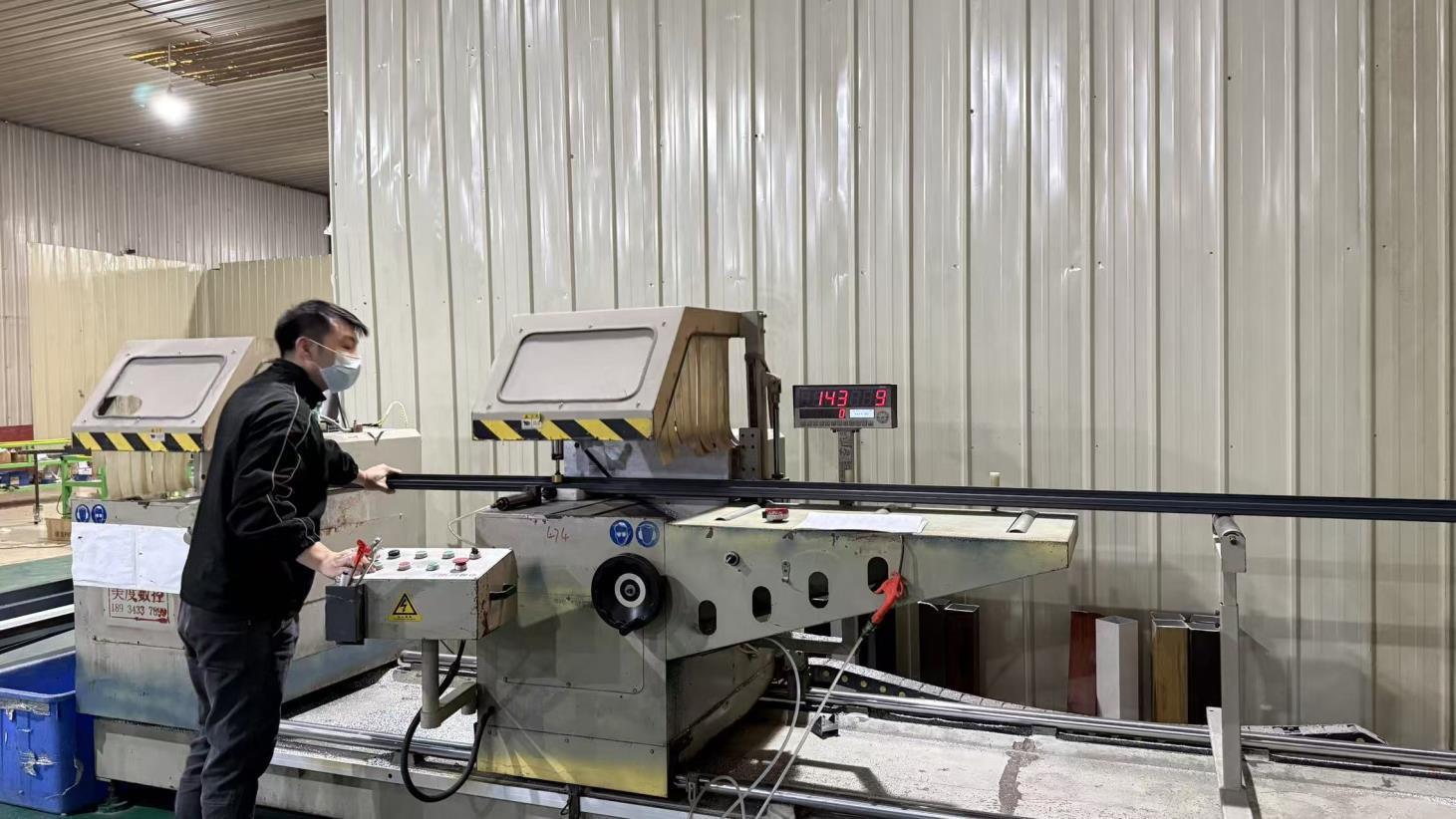
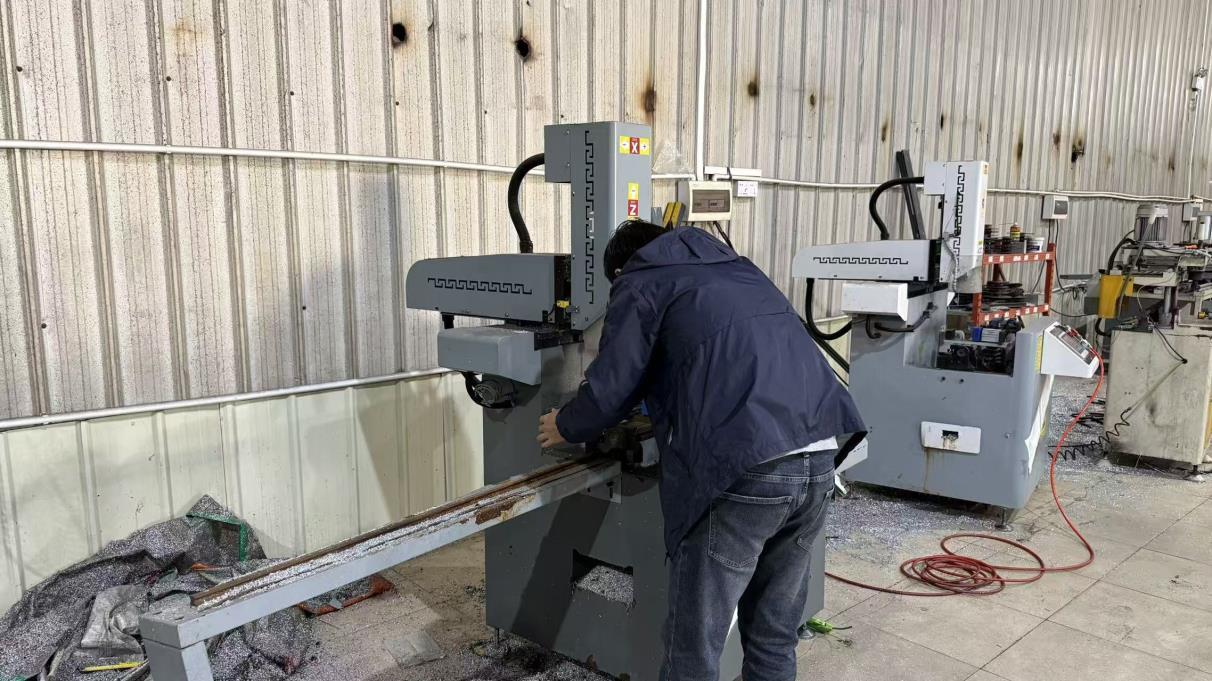
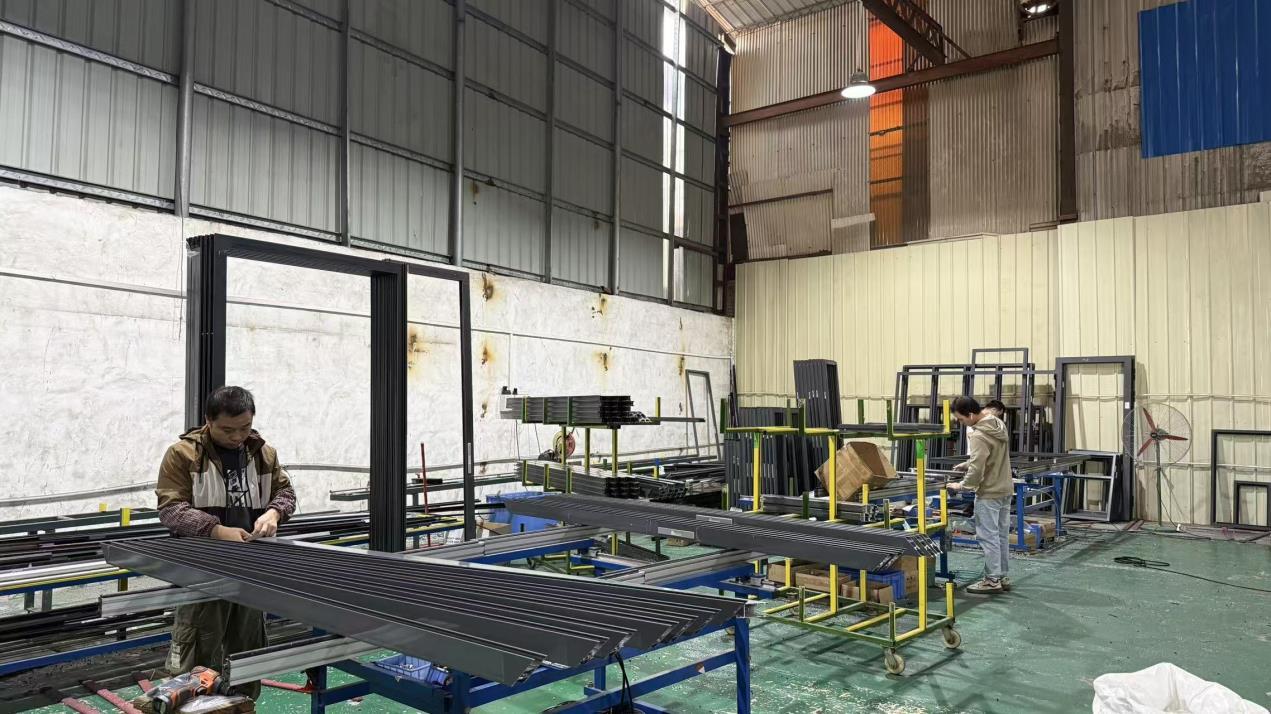
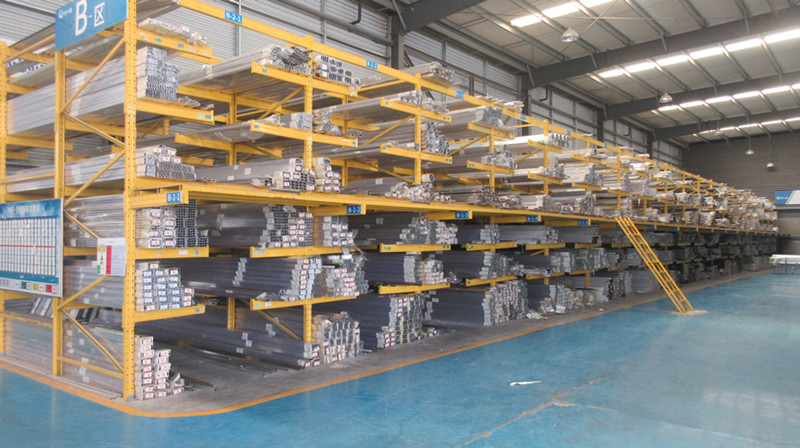
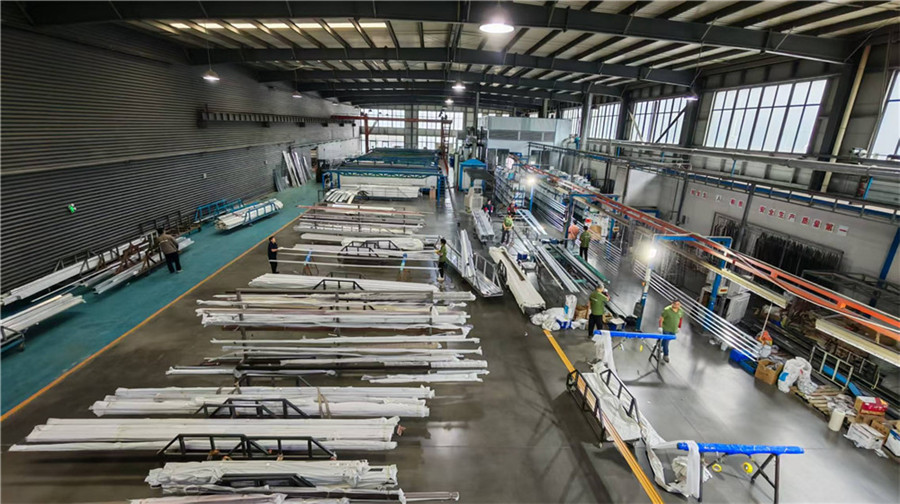
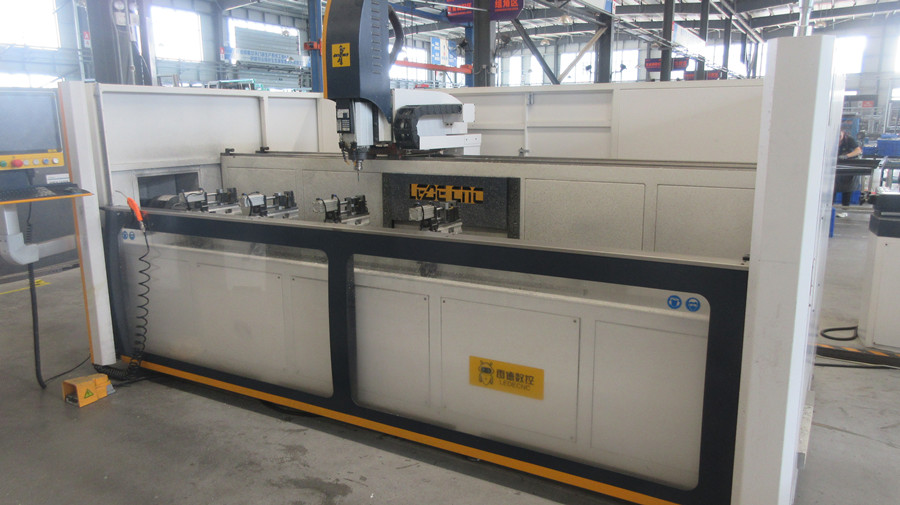
From alloy verification to final component pressure-testing, all products satisfy strict EN, AS, and SANS construction guidelines before export dispatch.
Procuring custom aluminum sliding doors directly from a Chinese production facility significantly reduces structural costs for regional project developers. In Southern Africa, the traditional supply chain involves multiple distributors, regional wholesalers, and fabricators. This raises consumer retail prices by up to 60-80% due to tiered markup margins.
By importing directly from Shandong Envi, developers can skip these intermediary markups. Crucially, they also establish direct communication with our structural engineering team. This allows for profile modifications, hardware selections, and thermal efficiency customizations specifically designed for Namibia's unique climate zones.
Our dedicated logistics department handles container shipments from China's primary shipping hubs (such as Qingdao Port) directly to the Port of Walvis Bay. We pack our heavy-duty wooden crates using specialized methods that prevent moisture, movement, and physical friction during long-term sea transport.
Once the container arrives at the Namport terminal, clearing processes are highly efficient for local buyers. A customs clearing agent can easily manage duty processing. Our team provides detailed packing lists, commercial invoices, certificates of origin, and bill of lading documents. This ensures your custom architectural materials reach inland job sites via the Trans-Kalahari or Trans-Cunene corridors without delay.
Get in touch with our commercial project engineering team for detailed structural analysis, profile configurations, and custom container volume pricing.
Send Inquiry NowArchitectural alignment for diverse geographic locations within the Namibian market.
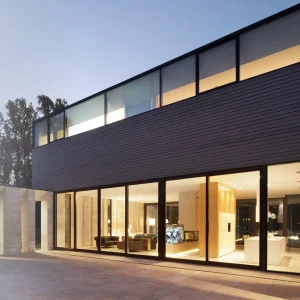
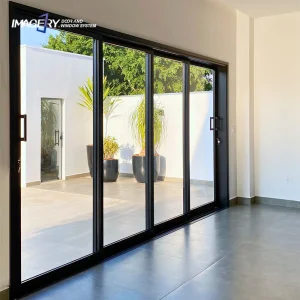
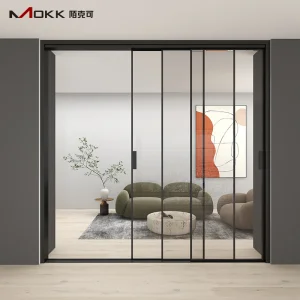
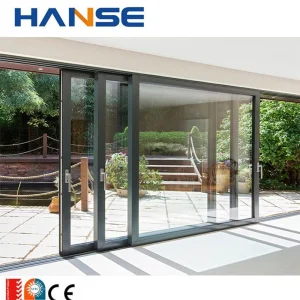
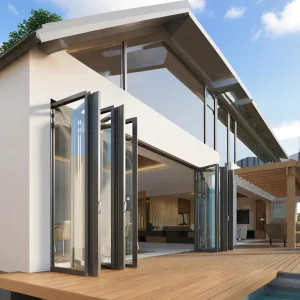
1. Coastal Villas (Swakopmund & Langstrand): High-end coastal villas require maximum exposure to Atlantic ocean views while needing heavy protection against corrosive marine fog and high coastal winds. Our marine-grade anodized multi-slide systems feature multi-point locking mechanisms and chemical-resistant EPDM gasket seals. This prevents moisture ingress and drafts during seasonal sandstorms.
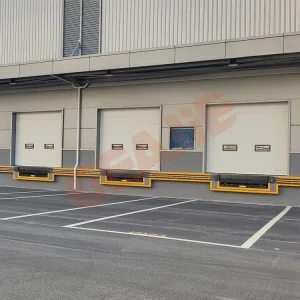
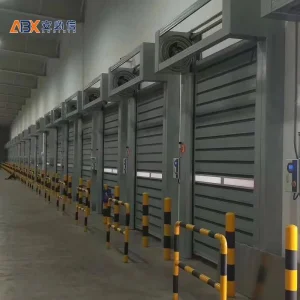
2. Commercial Logistics Parks (Walvis Bay Free Trade Zone): Logistics hubs and industrial cold-storage facilities need high-speed, highly insulated entryways. Our moisture-resistant automatic warehouse doors provide structural durability and fast cycles. This optimizes temperature control and workflow efficiency.
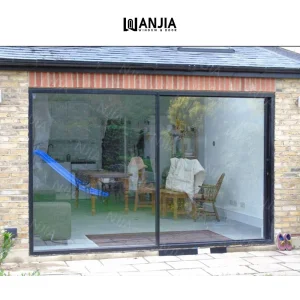
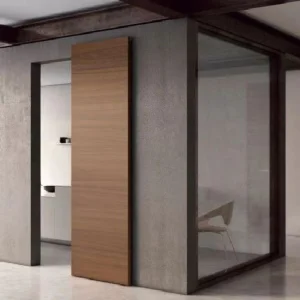
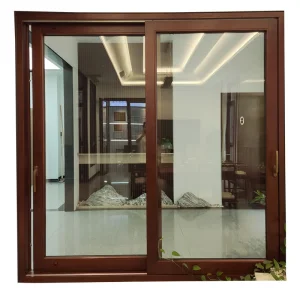
3. Residential Developments (Windhoek Hochland Park & Ludwigsdorf): High-end residential properties in Windhoek need systems that handle massive thermal shifts between hot desert days and cold winter nights. Our thermal break wood-grain sliding doors keep interiors quiet and energy-efficient. This reduces modern air conditioning and heating costs.
Modern construction in Namibia is shifting towards structural energy efficiency. This transition is driving demand for double-glazed sliding systems that reduce solar heat gain while maintaining panoramic views.
Additionally, safety regulations are driving demand for laminated safety glass. Our systems integrate seamlessly with heavy-duty security grilles and multi-point locks to meet these modern security requirements.
Examine our specialized product line, engineered to meet international thermal, structural, and mechanical standards.
Everything you need to know about structural engineering, logistics, custom specifications, and import compliance.
Require detailed technical drawings or structural calculations?
Contact Our Technical Engineering Department Envi Window