Engineered to deliver ultimate structural integrity and weather resistance, featuring thermal separation and multi-point lock mechanisms.
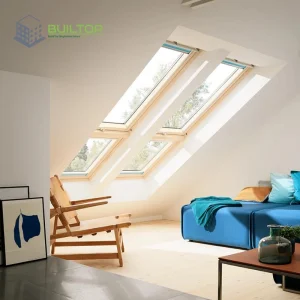
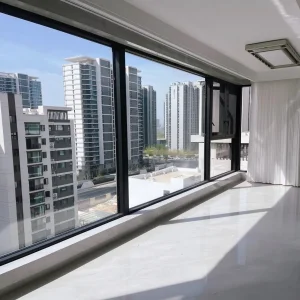

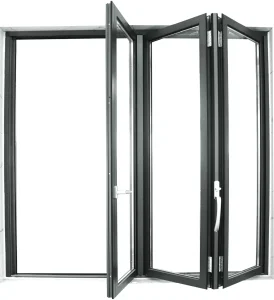
Equatorial Guinea, with its humid tropical rainforest climate, presents unique challenges to structural materials. In locations such as Malabo, Bata, and the new administrative hub of Oyala, relative humidity frequently hovers around 90%, and annual precipitation can exceed 2,000 millimeters. Coastal salt spray adds corrosive sodium chloride particles to the air, which accelerates galvanic corrosion on low-grade metals and compromises standard wooden or PVC structures.
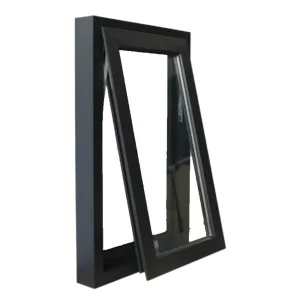
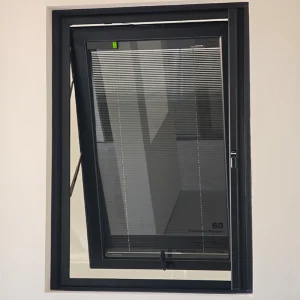
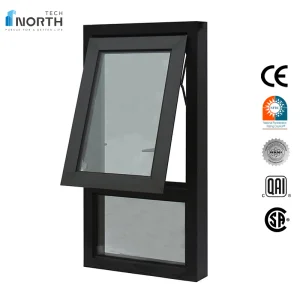
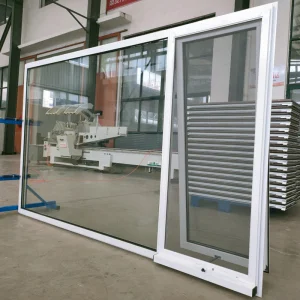
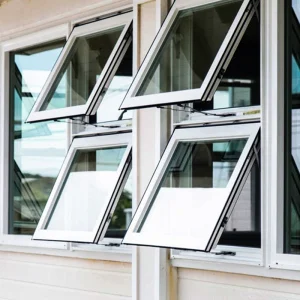
To address these conditions, modern commercial developments, public administrative buildings, and luxury residential projects are standardizing on architectural-grade 6063-T5 aluminum awning windows. These window configurations are hinged at the top and swing outward from the bottom. This mechanical path creates a natural awning, enabling continuous passive ventilation during torrential downpours while preventing water ingress.
"For tropical coastal urban zones, windows must serve as active environmental barriers. An awning configuration combined with marine-grade powder coatings provides the highest protection against moisture corrosion while managing indoor thermal shifts."
The Ministry of Public Works and Infrastructure in Equatorial Guinea has prioritized structural longevity and climate resilience in new public bidding projects. Traditional timber frames are prone to termite damage, dry rot, and warping in extreme humidity. Standard PVC frames tend to degrade under high UV exposure.
High-performance aluminum profiles with advanced finishes—such as PVDF fluorocarbon coatings or heavy anodizing (class 15-25µm)—are now the primary specification for institutional developments. This shift is particularly evident in high-end developments on Bioko Island and across the continental Rio Muni region.
Equatorial Guinea relies on international supply chains for high-end fenestration products. Real estate developers, commercial builders, and purchasing agents require suppliers that offer both manufacturing scale and compliance with international standards (such as CE, AS2047, and NFRC).
Sourcing directly from Chinese manufacturers like Shandong Envi Doors and Windows Co., Ltd. provides access to automated extrusion, precise thermal-break technology, and comprehensive testing documentation. This direct-to-factory model ensures reliable delivery schedules for containerized shipments arriving at the ports of Malabo and Bata.
Extruded from architectural aluminum alloy. Features optimized web thickness to withstand localized wind loads and physical impact.
Equipped with PA66-GF25 polyamide thermal barriers to isolate exterior heat, reducing overall HVAC cooling energy consumption.
Integrated heavy-duty stainless steel security hardware provides robust wind-pressure sealing and enhanced break-in protection.
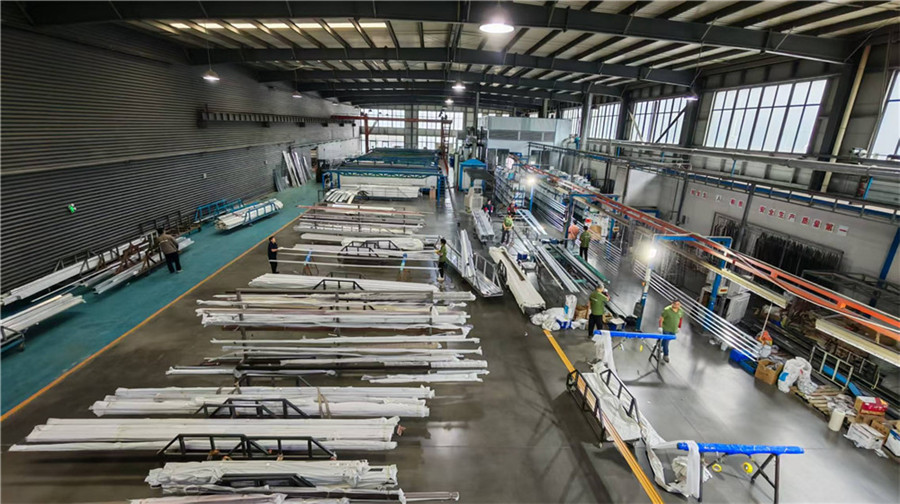
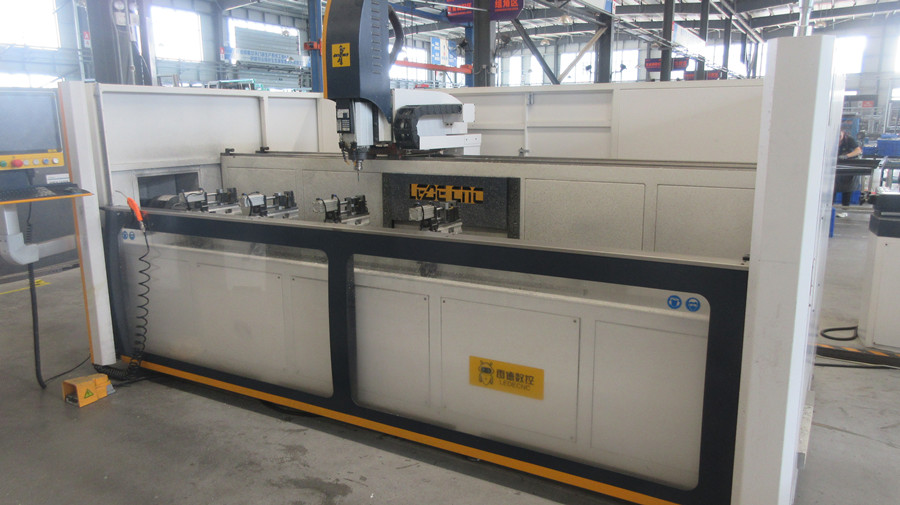
Our vertically integrated production facility ensures quality at every stage—from the raw aluminum billet to the final glazed window assembly.
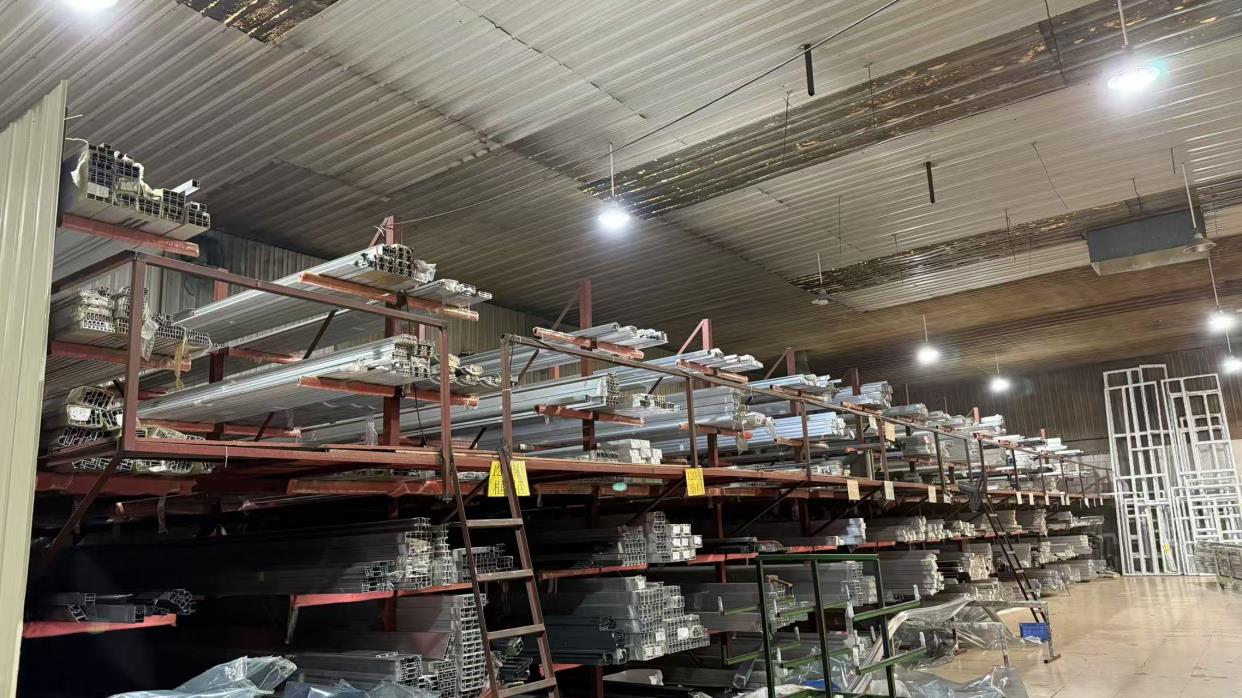
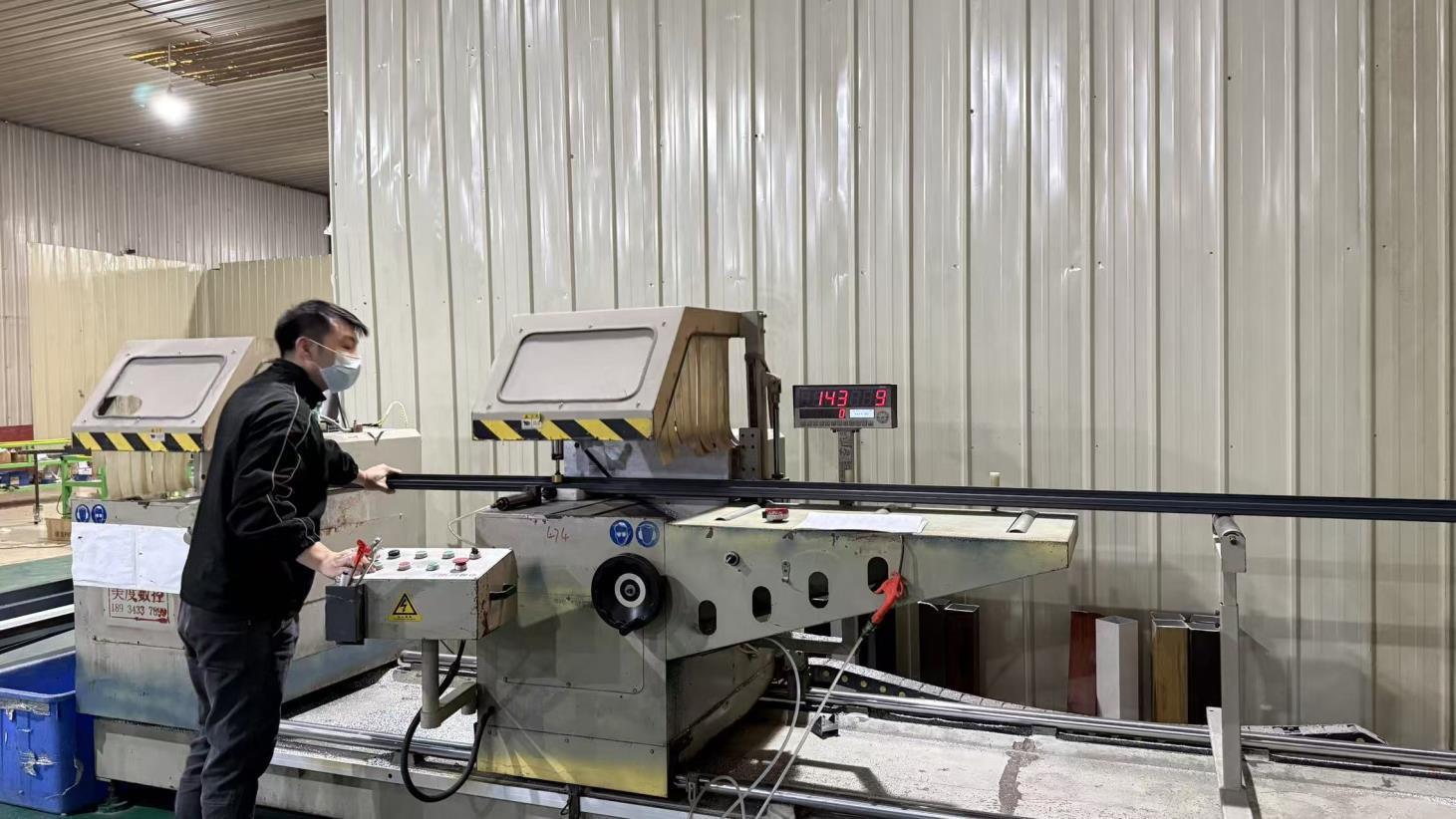
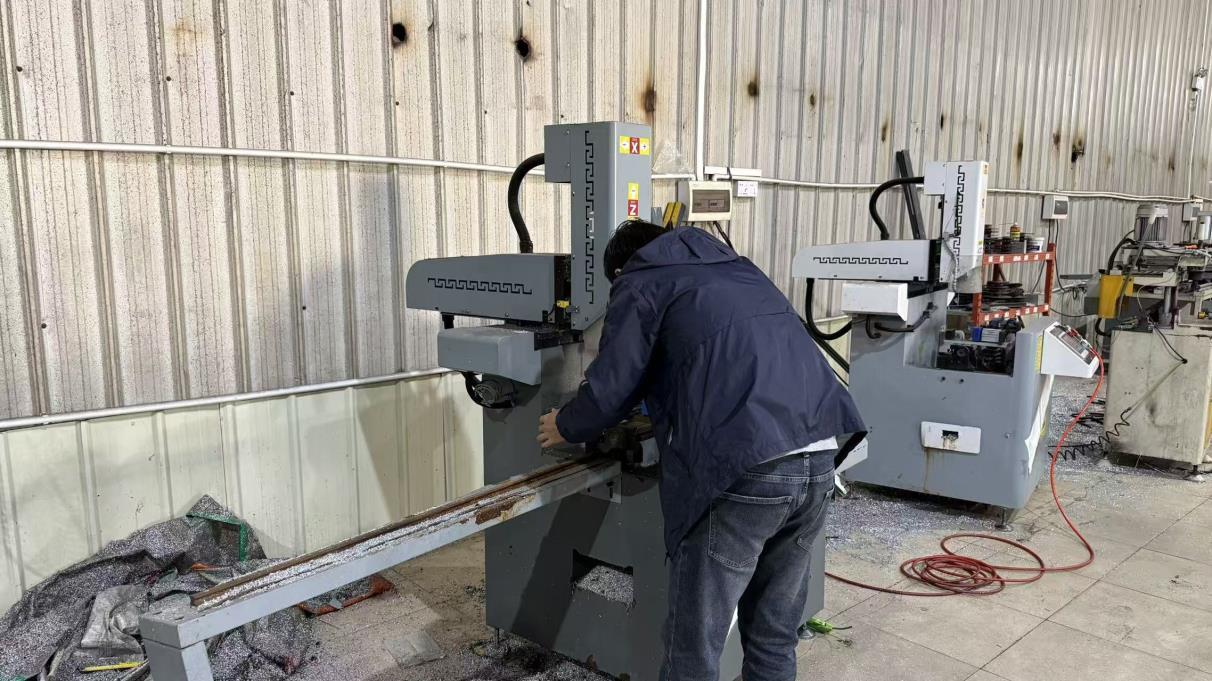
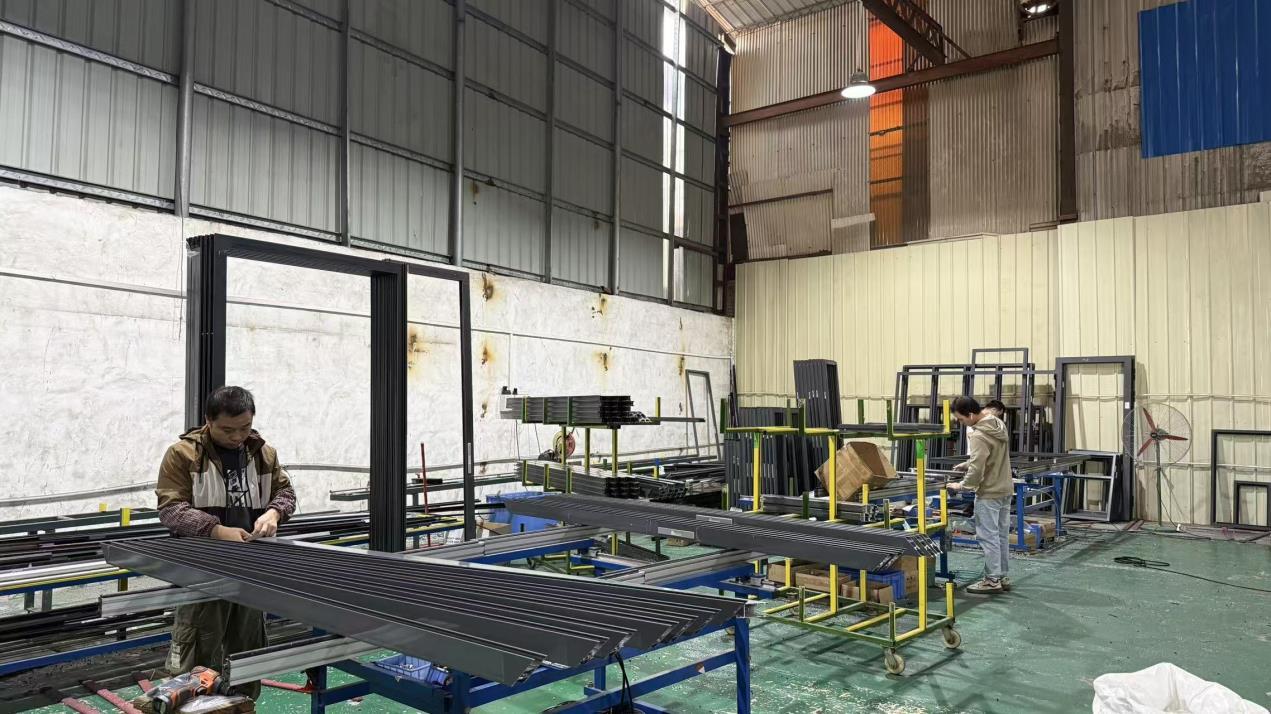
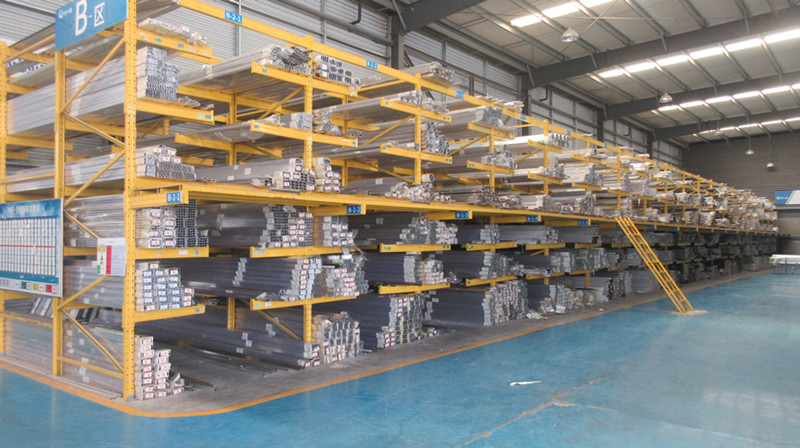
We support OEM/ODM designs according to your architectural CAD drawings.
Contact EngineerA high-quality window is defined by its materials and the precision of its assembly. At Shandong Envi Doors and Windows Co., Ltd. (founded in 1993, with deep architectural roots), we address the specific climatic challenges of West and Central Africa. Below is a detailed breakdown of the structural components utilized in our tropical-spec awning aluminum window range:
We source primary aluminum ingots with a purity of ≥99.7%. Through our extrusion plant (featuring presses from 600 tons to 2,500 tons), we produce 6063-T5 aluminum profiles. The T5 temper is achieved through air-quenching followed by artificial aging. This process delivers a minimum tensile strength of 185 MPa and yield strength of 145 MPa. For large-scale coastal commercial towers in Bata, this mechanical strength is crucial to resisting high-wind loads during tropical storm events.
To protect against the corrosive effects of marine salt air, we offer two primary surface treatments:
Our awning windows are engineered with a multi-layered sealing system using high-density EPDM (Ethylene Propylene Diene Monomer) gaskets. Unlike standard PVC seals, EPDM retains its elasticity from -40°C up to 120°C, maintaining its seal under intense equatorial sunlight. Multi-chamber designs create continuous pressure zones that prevent water penetration during heavy monsoon rains.
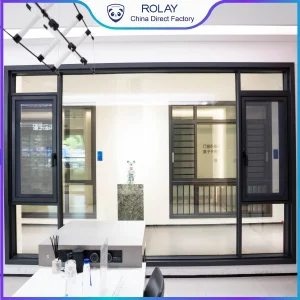
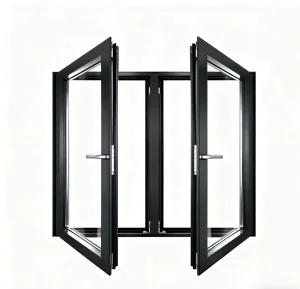
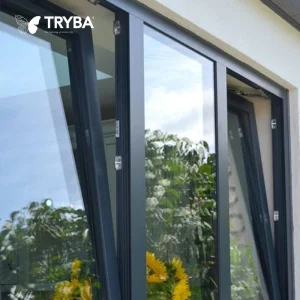
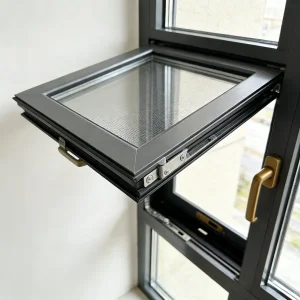
Explore our full line of tested architectural designs. All window systems are fully customizable to meet local wind load and acoustic requirements.
Direct engineering answers to technical queries raised by architects, consultants, and procurement managers in Equatorial Guinea.
Optimize your project specifications, request CAD drawings, and receive a complete product quotation within 24 hours.
 Envi Window