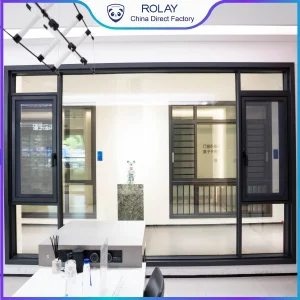
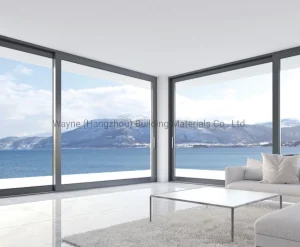
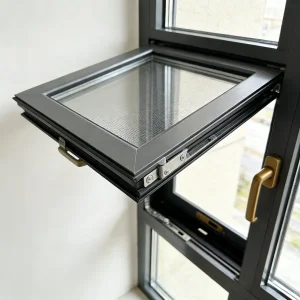
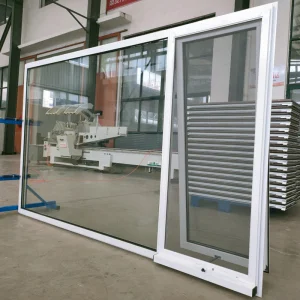
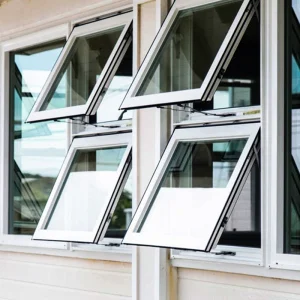
Premier high-performance aluminum window configurations engineered for smart ventilation, superior thermal performance, and low air-infiltration.
In Detroit's rapidly evolving commercial development landscape, the demand for highly efficient, structurally sound fenestration systems has reached unprecedented heights. Architectural designs in historic automotive hubs, retrofitted warehouse lofts, and futuristic downtown skyscrapers all seek a common engineering threshold: exceptional thermal integrity combined with superior durability. As Detroit lies within ASHRAE Climate Zone 5A, structural components must combat severe winter conditions with sub-zero wind currents coming off the Detroit River, alongside hot, humid summers.
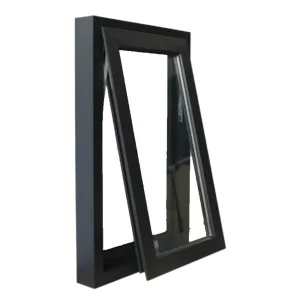
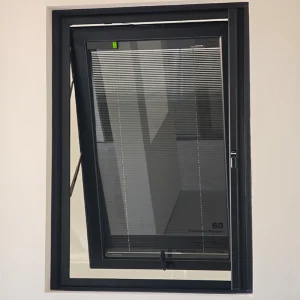
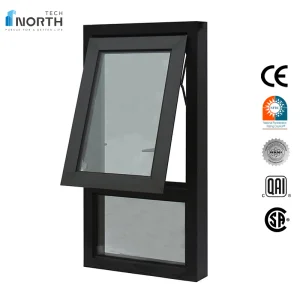
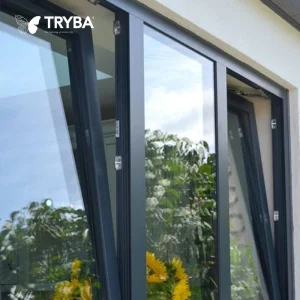
Awning aluminum windows represent the pinnacle of modern architectural building envelopes. Unlike traditional sliding profiles, awning windows open outward from the bottom, creating a protective canopy that permits ventilation during precipitation while acting as a natural baffle against direct wind gusts. This capability significantly reduces structural mechanical load burdens (HVAC system utilization) in large-scale multi-family housing developments and commercial complexes across Michigan. High-performance aluminum profiles ensure that sash margins remain dimensionally stable over decades of service, mitigating the expansion and contraction failures commonly found in standard wood or vinyl structures.
Detroit's proximity to the Great Lakes requires fenestration products with high Design Pressure (DP) ratings to withstand intense pressure drops and strong windward forces. Our structural frames incorporate structural corner keys to prevent sash flexing under extreme wind loads.
Equipped with state-of-the-art thermal break technology, these windows prevent the conductive transmission of cold or heat through the aluminum framing. When paired with Argon gas-filled triple-glazed units, they significantly lower total U-factors.
Perfect for historic warehouse conversions in Corktown and Eastern Market. Our powder-coated aluminum profiles duplicate classic industrial steel sash lines while achieving modern energy compliance codes.
Deep engineering profiles designed for specific educational, hospitality, and passive building designs across North America.
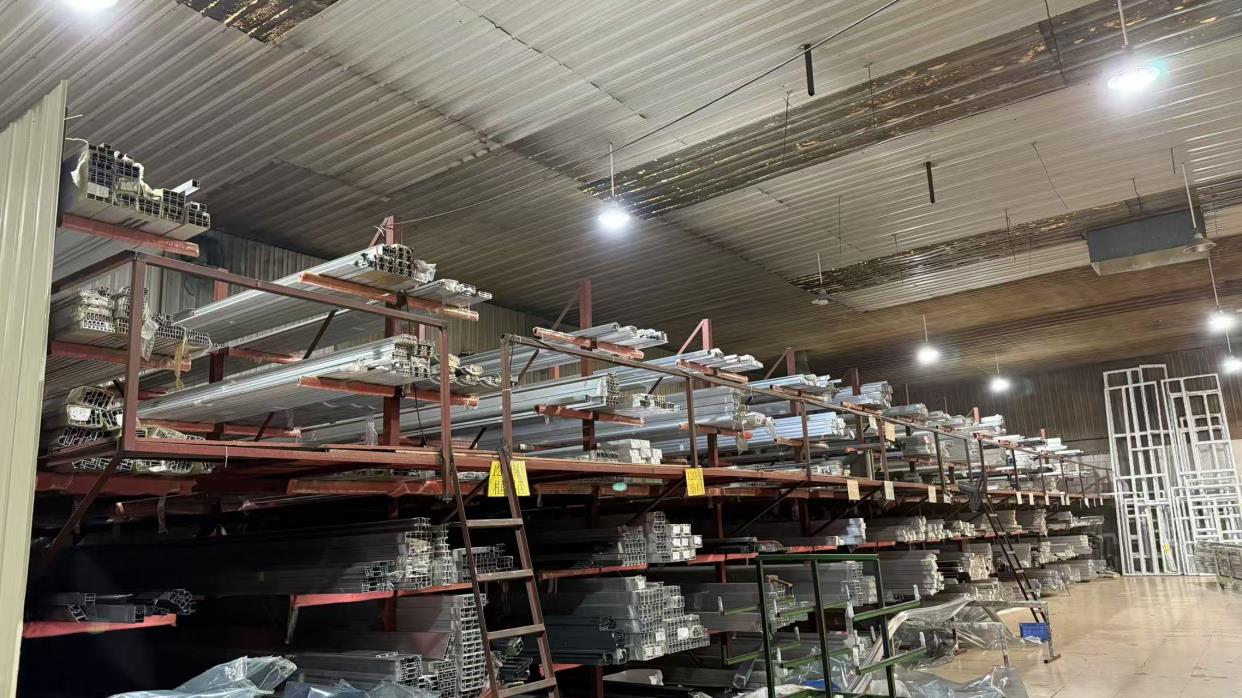
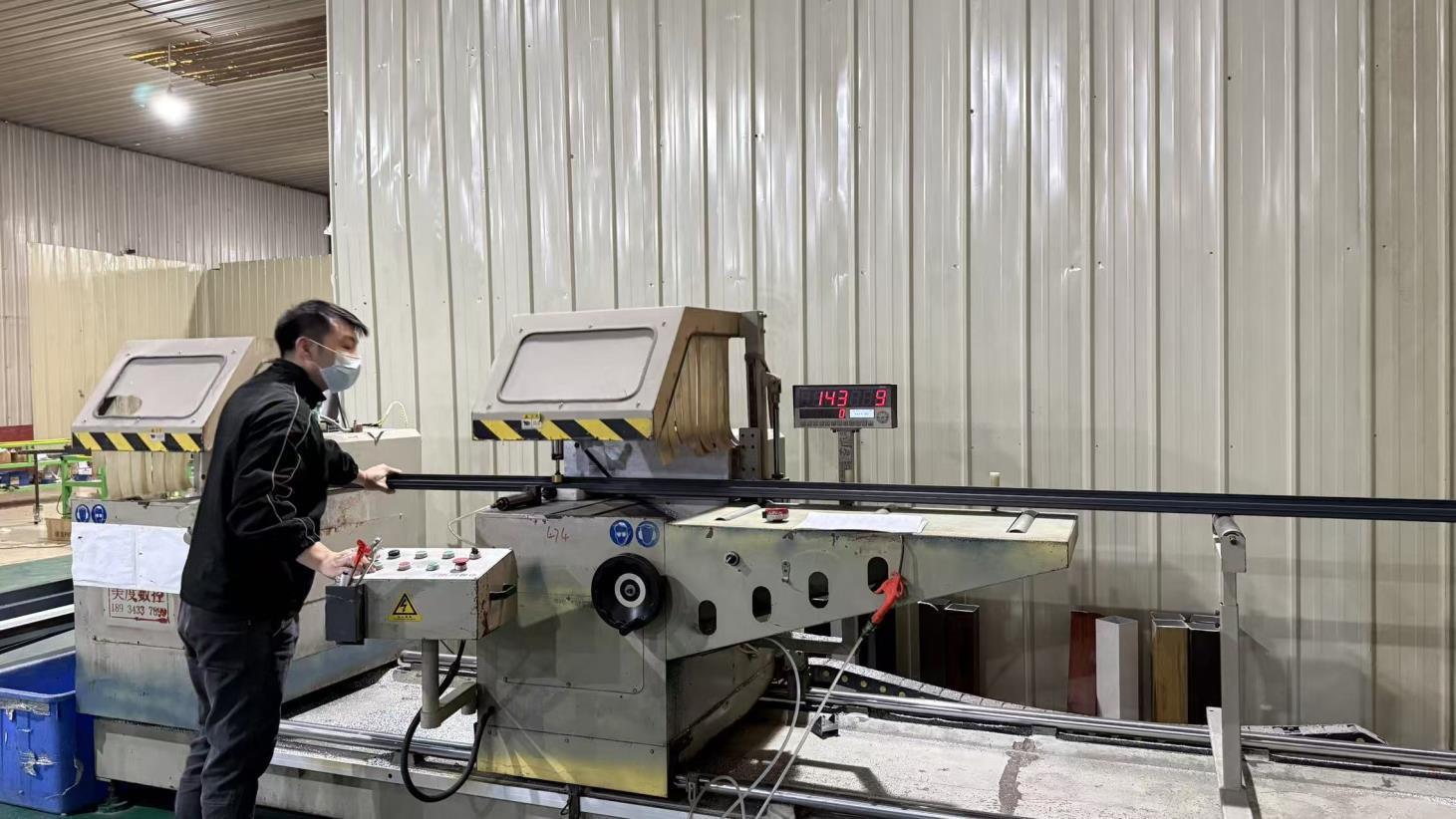
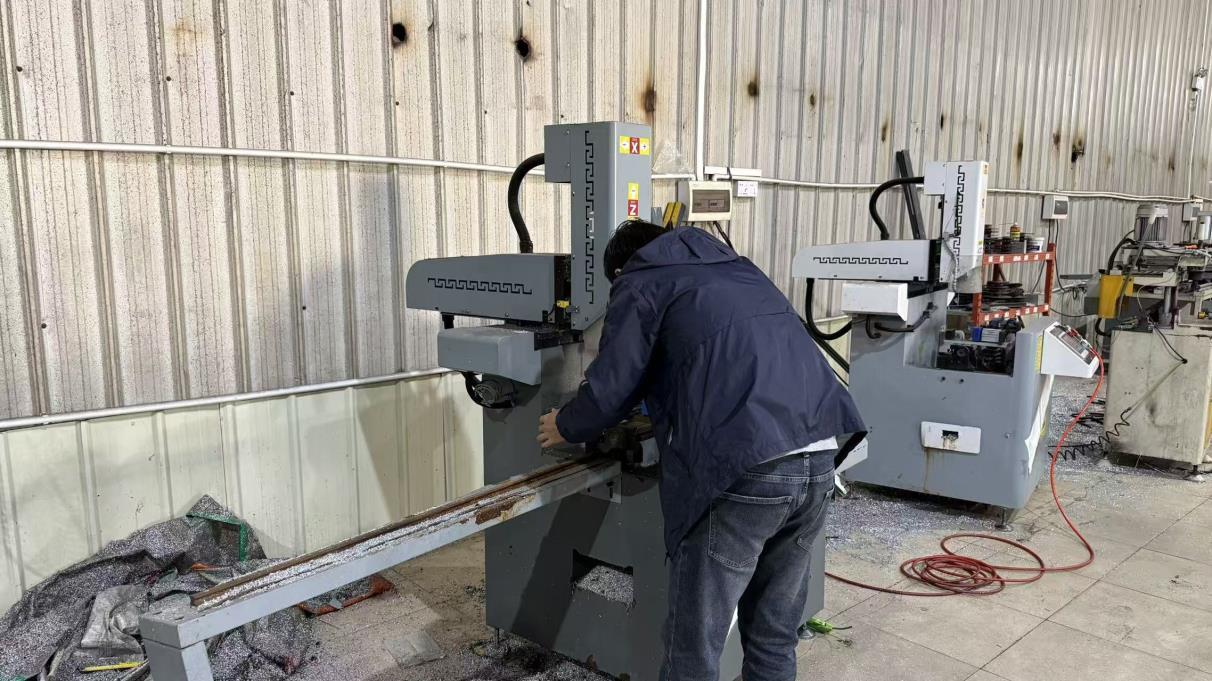
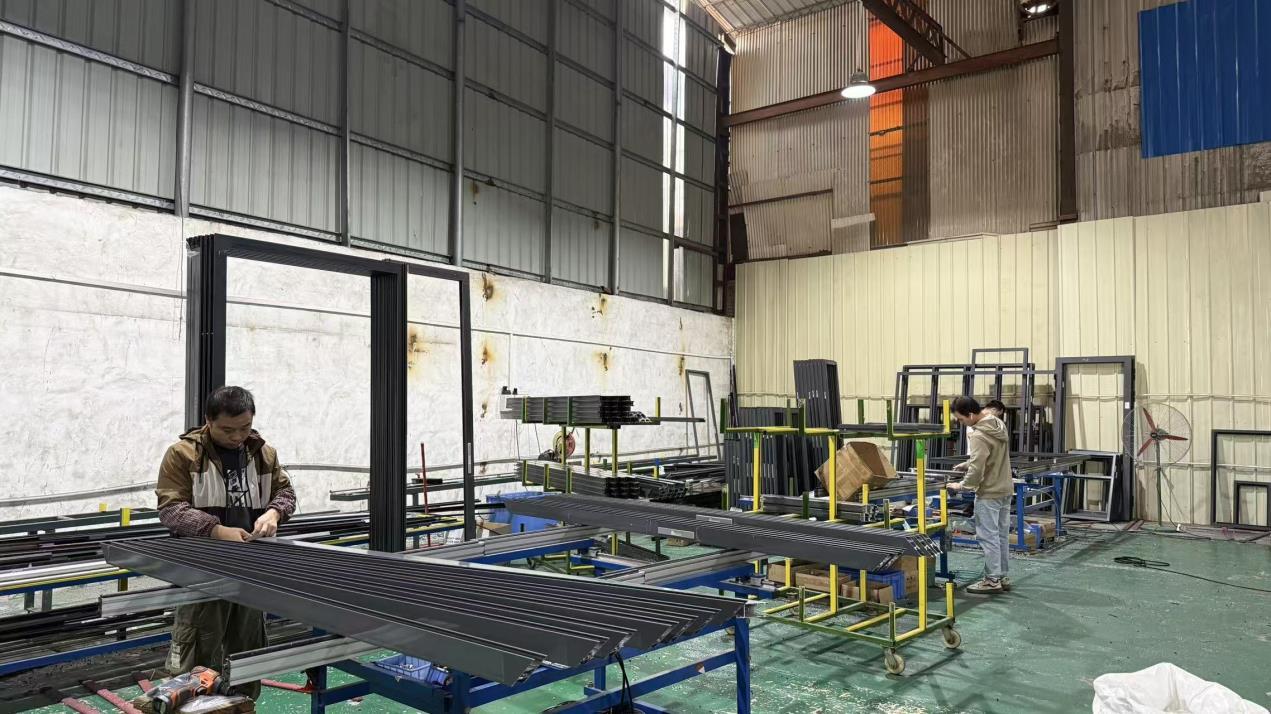
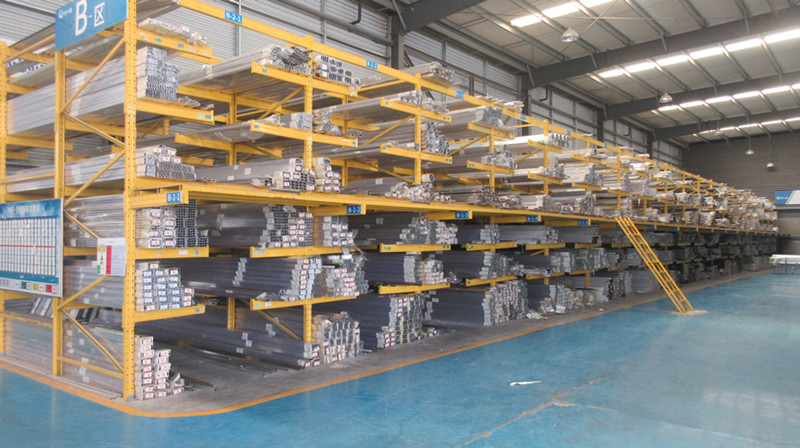
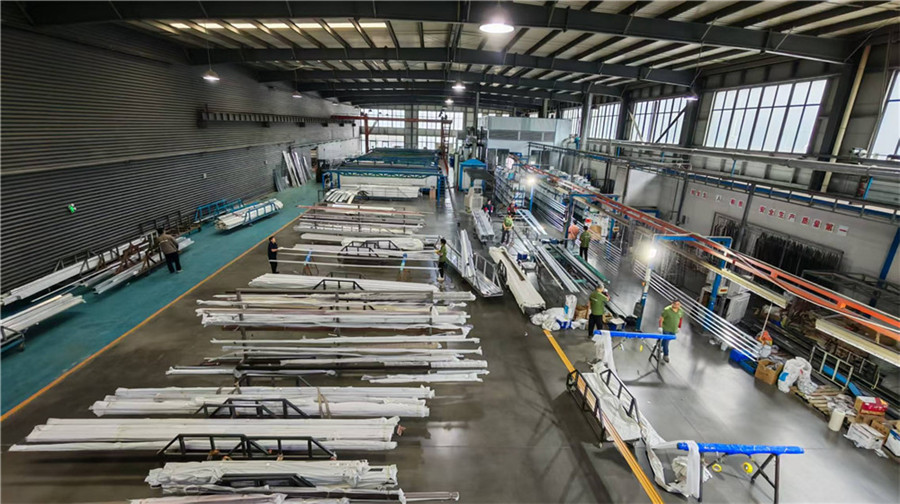
Established in 2014, Shandong Envi Doors and Windows Co., Ltd. has evolved into a global leader in high-end structural aluminum door and window systems. Operating on a legacy starting in 1993, the company has consistently scaled its manufacturing footprint, culminating in a state-of-the-art facility spanning 100,000 square meters. Our annual designed production capacity of extruded aluminum profiles exceeds 50,000 tons, driving an average annual production value of approximately 1 billion yuan.
Our heavy-industrial production lines feature advanced extrusion equipment ranging from 600 tons to 2,500 tons, giving us the capability to fabricate complex structural profiles. High-accuracy tolerance engineering ensures sash alignment down to the millimeter. Our thermal processing features two automated anodizing lines, two electrophoretic coating lines, a thousand-ton color powder spraying line, thermal break threading setups, automated glue injection systems, and simulated wood-grain finishes. This extensive vertical integration ensures that every structural window profile leaving our facility complies with stringent international engineering codes, including CE, NFRC, and AS2047 standards, making us a top choice for projects in Detroit and worldwide.
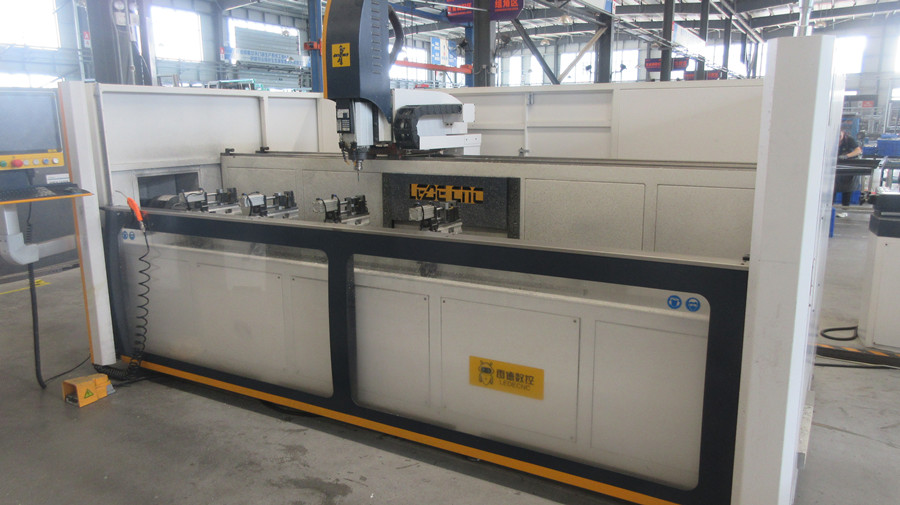
In accordance with Michigan Energy Codes (IECC 2018 / ASHRAE 90.1 standards), building envelopes must enforce strict solar heat gain co-efficients (SHGC) alongside low thermal transmittance (U-factor). The window frames must minimize heat transfer loops. Our engineering team customizes thermal breaks by inserting polyamide insulation strips into the extruded chambers. This isolates external temperature conditions from the internal spaces, minimizing moisture condensation during Michigan's sub-zero winters.
| Performance Parameter | Detroit Local Requirement (Zone 5A) | Shandong Envi Engineering Performance | Test Standard Compliance |
|---|---|---|---|
| U-Factor (Thermal Transmittance) | ≤ 0.30 Btu/h·ft²·°F | 0.24 - 0.28 Btu/h·ft²·°F (with low-E triple glazing) | NFRC 100-2020 / ASTM C1363 |
| SHGC (Solar Heat Gain Co-efficient) | 0.25 - 0.40 | 0.22 - 0.35 (Selectable Low-E coating tiers) | NFRC 200-2020 / EN 410 |
| Air Infiltration / Leakage | ≤ 0.3 cfm/ft² | ≤ 0.05 cfm/ft² (Reinforced triple-seal gasketry) | ASTM E283 / AAMA 101 |
| Water Resistance Pressure | ≥ 140 Pa | Up to 450 Pa (Top-hung configuration with weep holes) | ASTM E331 |
| Structural Wind Load Pressure | DP 35 (Commercial min) | DP 55 - DP 70 (Heavy-duty structures) | ASTM E330 / AS2047 |
For custom high-rise or educational infrastructure developments in Detroit, we offer structural optimization calculation reports to verify wind-load performance. Our windows feature heavy-duty multi-point locking systems and secure child-safety friction stays, ensuring structural integrity even under high-wind conditions.
Examine our complete selection of certified window configurations. Fully customizable sizing, powder coats, and hardware trims available.
Fenestration technology is moving beyond passive thermal isolation toward smart building envelopes. Shandong Envi is at the forefront of these technological advancements. By incorporating electrochromic smart glass, automated motorized sashes, and vacuum-insulated glazing (VIG), we are transforming window units into active elements of HVAC and energy management systems.
Our long-term development roadmap focuses on three main sectors:
Answers to common structural engineering and import questions for Detroit builders and architects.
Awning windows push the sash against the outer frame gasket during closing. This compression-seal technology creates an airtight barrier that performs significantly better than sliding profiles. The top-hinged configuration also shields the opening from rain and snow, allowing for ventilation in adverse weather conditions. Combined with a thermal break, this configuration prevents structural condensation and heat loss during cold Michigan winters.
Our products are engineered and tested in accordance with top global criteria, including ASTM, NFRC, and CE testing protocols. For North American exports, we adjust our profiles to meet the required design pressures (DP ratings) and U-factors specified in the International Energy Conservation Code (IECC) for Zone 5A.
We provide a wide range of surface treatment configurations through our in-house anodizing and powder-coating lines. These options include custom RAL color powder coatings, metallic anodized finishes, fluorocarbon (PVDF) high-durability coatings for commercial builds, and simulated natural wood grains.
Our typical manufacturing cycle is 25 to 35 days from finalized shop drawing approval. Shipping is handled via container lines directly to the Port of Detroit or through coastal ports with intermodal rail delivery. All shipments are secured in heavy-duty plywood crates with shock absorption padding to prevent transport damage.
Yes. We offer motorized configurations equipped with 24V DC linear chain actuators. These systems can be integrated into central Building Management Systems (BMS) or smart home control hubs. This allows for automated operation based on carbon dioxide levels, humidity, or wind-and-rain sensor inputs.
 Envi Window